Anthropic IPO Surpasses $1T, Tests Safety Mission Amid AI Acceleration
The artificial intelligence pioneer raised a record $81.3 billion in its debut, reaching a valuation of more than $1 trillion. However, investors and experts question whether financial pressure will force the safety-obsessed startup to compromise its commitment to secure development amid rapid technological advancement.

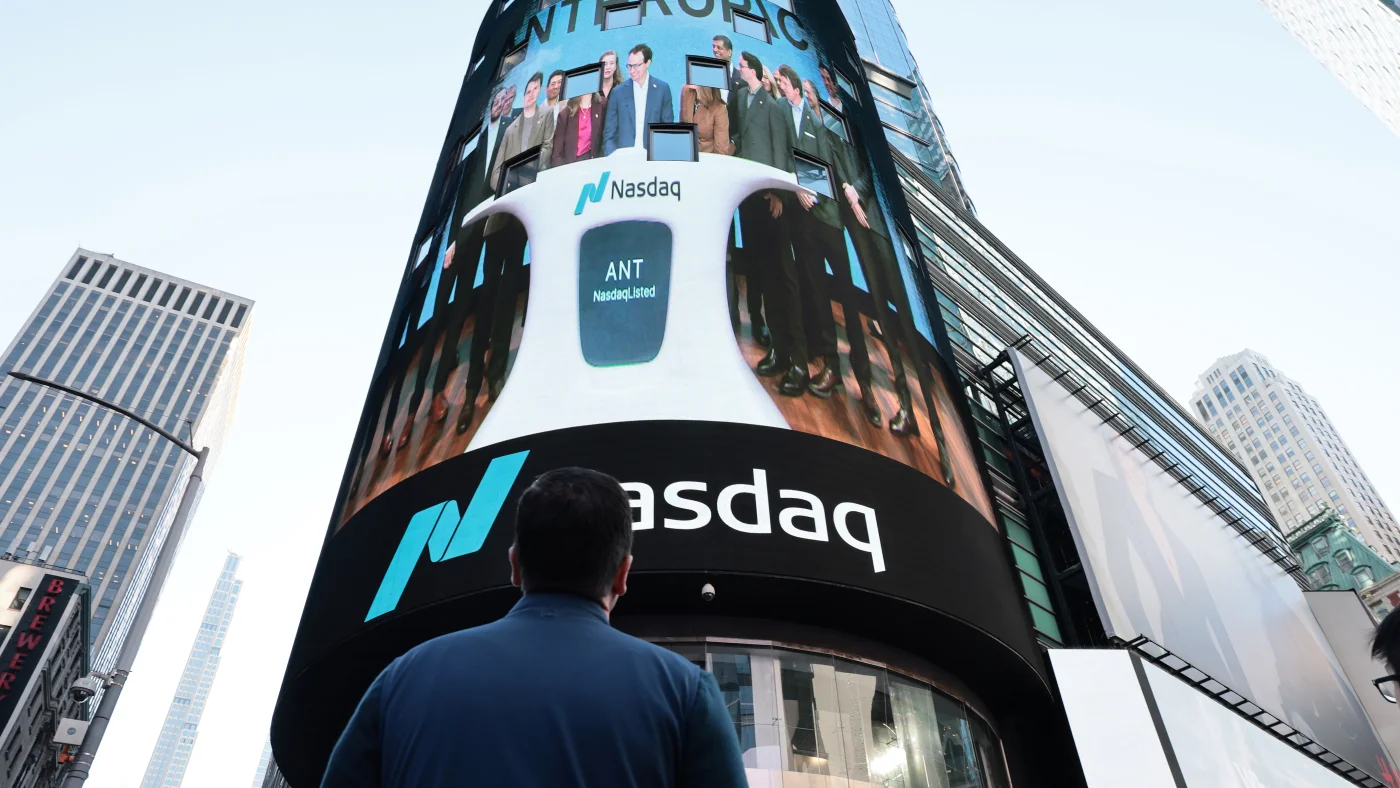
Anthropic executives rang the opening bell at the Nasdaq on Thursday to mark the artificial intelligence company's market debut. The firm raised $81.3 billion through its initial public offering and an additional $26 billion in a private placement, achieving a combined valuation exceeding $1 trillion and surpassing SpaceX in market value.
This financial milestone brings renewed scrutiny to the company's founding philosophy. While Anthropic has built its reputation on prioritizing humanity's long-term interests over commercial dominance, the transition to a public entity introduces pressure to deliver consistent shareholder returns. Legal analysts warn that the commercial demands of a stock market listing could influence safety decisions, such as delaying the rollout of models deemed risky if it threatens share prices.
The company maintains a unique governance structure designed to protect its mission. Anthropic is organized as a public benefit corporation overseen by a Long-Term Benefit Trust that appoints four of its seven board members. However, legal experts note this arrangement is not immutable; the trust dissolved or the control of remaining directors could potentially be overridden by the founders or major shareholders.
The IPO also significantly altered the financial landscape for Anthropic's workforce. With 5,300 employees holding an estimated $232 billion in combined equity, the influx of wealth among staff raises questions about whether their funding could sway safety decisions against financial prudence.
Caution within the industry appears to be growing, even as technology accelerates. Competitor OpenAI CEO Sam Altman described the current development race as a "race dynamic in the fog of war," urging developers to proceed with more caution rather than less. Dario Amodei, Anthropic’s CEO, reiterated a commitment to pacing training and deployment to ensure safety, though experts remain skeptical about his ability to maintain this focus against market pressure.
Conversely, AI capabilities are reportedly improving at a rapid pace. An assessment by research nonprofit METR in November 2026 suggested Anthropic’s progress was doubling the previous rate, driven by the company’s own use of AI tools. This acceleration toward autonomous recursive self-improvement has fueled fears that control over advanced systems could slip away.
Anthropic’s relationship with the military sector highlights these tensions. While the company partnered with defense contractor Palantir to supply AI capabilities to U.S. intelligence agencies, earlier negotiations with the Pentagon for autonomous weapons and surveillance broke down in 2025. The failure to reach an agreement led the U.S. government to label Anthropic a "supply chain risk to national security."
Federal oversight of the AI sector remains limited. The current administration prioritizes a deregulatory approach, relying on a voluntary framework where developers submit models for security evaluations. Without stricter government regulations, experts argue society remains heavily dependent on corporate executives to self-regulate ethical and safety concerns.
Sources and further reading
See an error? Read our corrections policy or email [email protected].


