Apple’s 2026 iPhone strategy splits into three distinct categories: the Pro, Air, or Duo
A technical breakdown of the feature differences between the iPhone 18 Pro, iPhone Air, and the folding iPhone Duo.

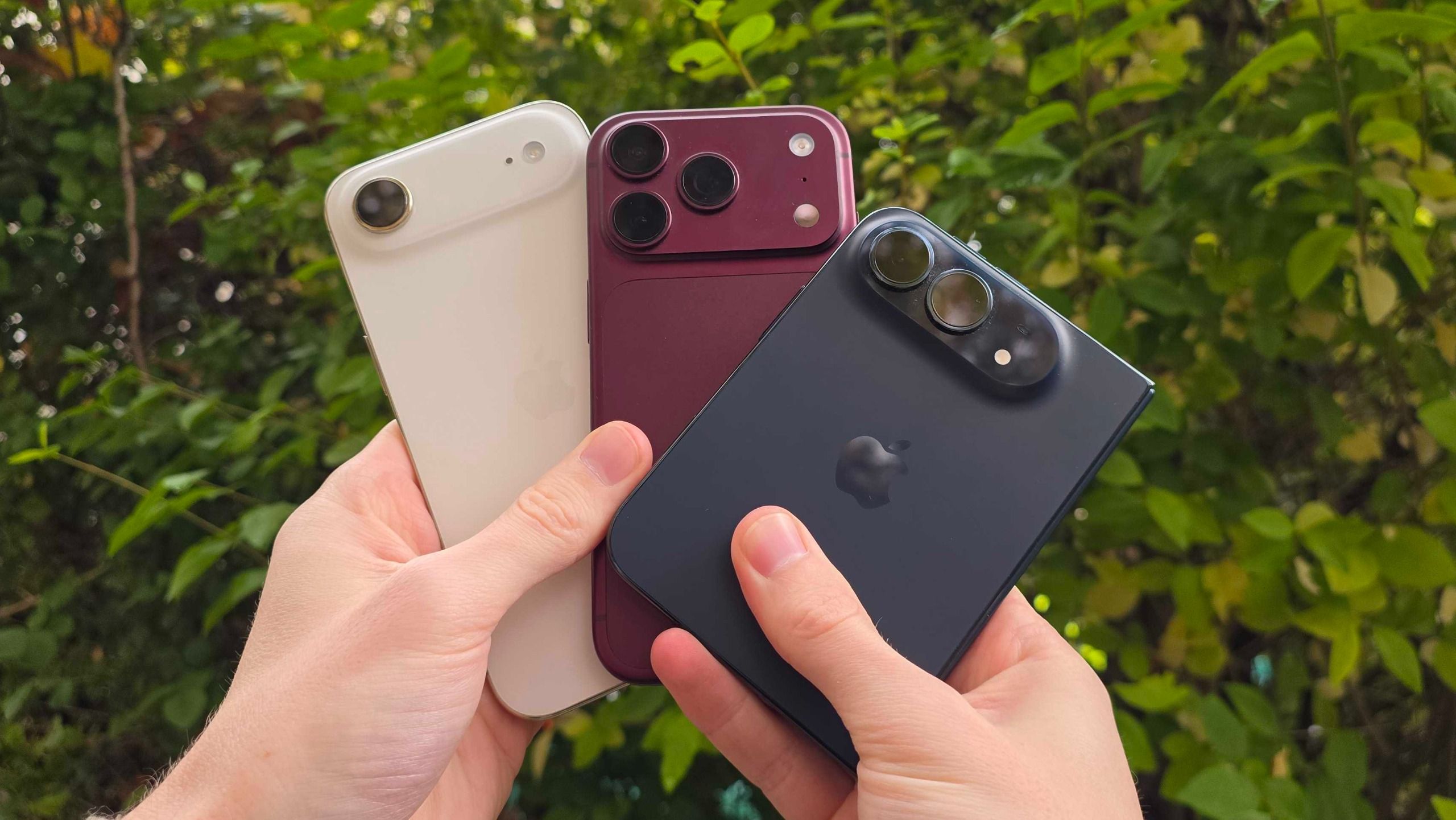
The diversity of Apple's 2026 mobile offerings requires careful consideration of value propositions. While the iPhone 18 Pro, Air, and Duo serve distinct user bases, the primary market remains divided between performative capability, design aesthetics, and form factor innovation.
The iPhone 18 Pro serves as the comprehensive option, currently holding the TechRadar Phone of the Year title. This device emphasizes a triple-lens rear camera system and long battery life, utilizing an advanced chipset. It supports stereo speakers and faster 25W wireless charging. Representative of the "Swiss Army Knife" approach, it offers a balanced performance rating across all features, though it lacks the dramatic design shift of its counterparts. The battery is confirmed to last longer than the alternative Air model, and the device retains key hardware like Face ID (in contrast to the Duo).
In contrast, the iPhone Air prioritizes form and weight over internal specifications. It is confirmed to be significantly thinner and lighter than the Pro, utilizing a single rear-lens configuration that mirrors the Pro's main lens in resolution. Despite running a slightly older processor and featuring a mono speaker rather than stereo, its Face ID capability and larger screen area offer substantial appeal to users prioritizing portability and design. While its retail price is high, the text notes that discounts are frequently available, and a successor model (Air 2) is rumored for release in the near future.
Finally, the iPhone Duo represents an experiment in form factor with a dual-screen design. This folding device includes a 7.6-inch internal display and a 5.4-inch external cover. It supports multitasking and a stylus, addressing previous foldable design limitations. However, it compromises by replacing Face ID with Touch ID for security and payments, and utilizes a dual-lens system rather than the triple-lens setup of the Pro. While its internal nano-matte screen is noted for its texture, the device suffers from a crease and higher weight compared to the non-foldable options.
Sources and further reading
See an error? Read our corrections policy or email [email protected].