Black Friday NAS Hardware Analysis: Processor Distinctions and Storage Planning
Analysis of Black Friday Network Attached Storage deals highlights critical distinctions in processor architecture between Ugreen, TerraMaster, and LincPlus, advising buyers on RAID configurations and RAM requirements for data safety.

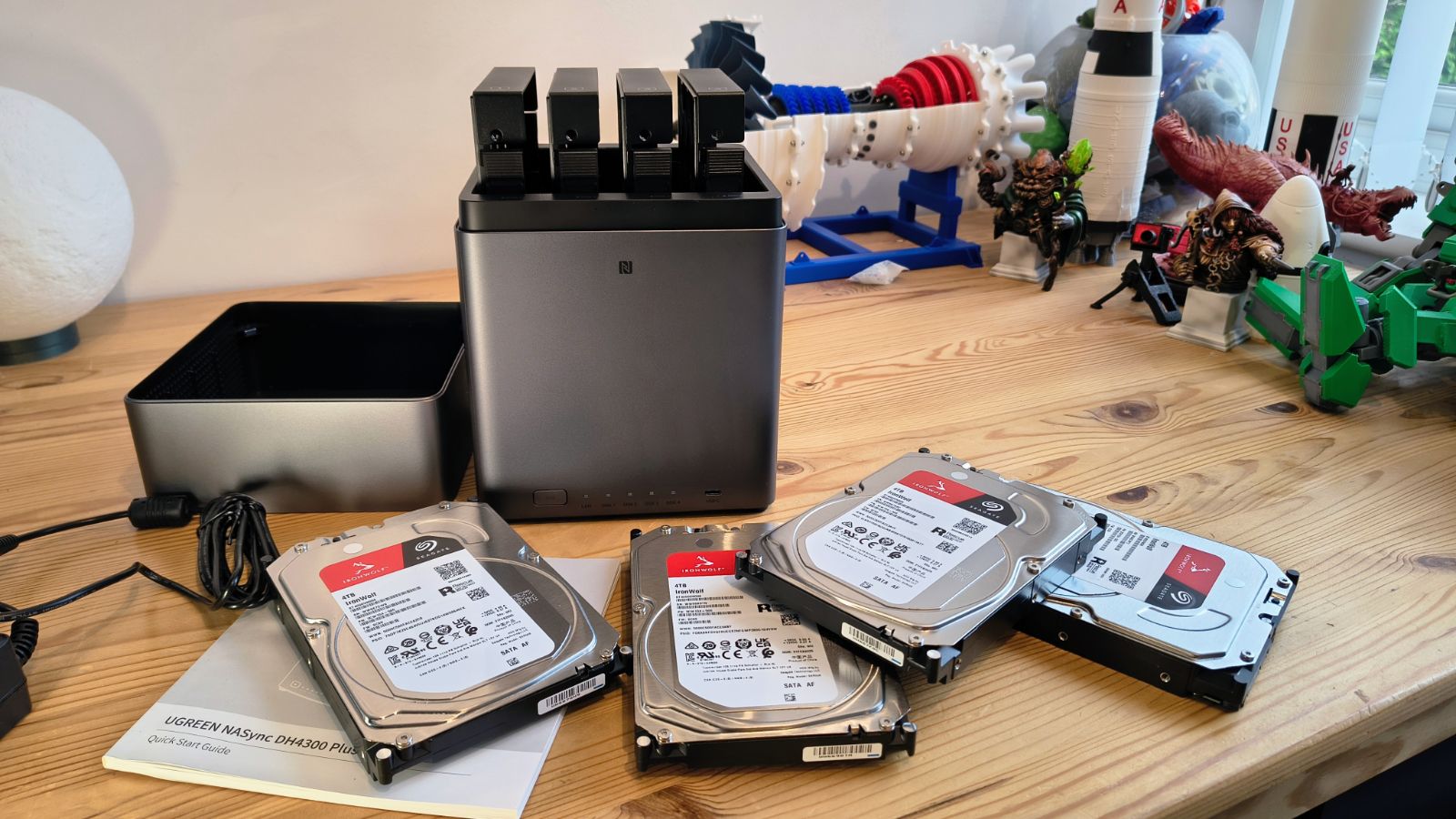
Black Friday offers an optimal window for remote professionals and small business owners to upgrade Network Attached Storage (NAS) infrastructure, which provides a personal alternative to cloud storage for backups and synchronization. This assessment evaluates the current market landscape, focusing on specifications rather than promotional features.
The Ugreen NASync DXP4800 Pro is recommended for its versatility as a four-bay solution. It utilizes an ARM processor platform; while this architecture is power-efficient, it prohibits the execution of Virtual Machines based on Intel or AMD architectures, though it supports Docker. The review assigns this device a 4-star rating, noting its utility as an affordable option for personal synchronization.
Entry-level users may consider the Ugreen NASync DH2300, a two-bay variant. At the higher end, TerraMaster markets the F4-425 as a robust four-bay Intel-based NAS. It utilizes TOS 7 software, supports up to 96GB of RAM, and features Gen 4 M.2 slots with hardware decoding for av1, positioning it for developers requiring Docker containers and Virtual Instances.
For superior performance, the Ugreen NASync DXP8800 Ultra is highlighted. With a Core i7 150U processor, dual 10GbE LAN ports, and Thunderbolt 4 in host mode, this unit supports up to 96GB of DDR5 memory and a PCIe Gen 4 slot, catering to the prosumer sector.
The editorial advises buyers to evaluate total costs, noting that storage capacity often exceeds the hardware price. A critical purchasing consideration is drive redundancy; the text recommends stable RAID configurations—specifically mirrored arrays—rather than single large drives to prevent data loss during hardware failure.
Processor choice dictates expandability. Solutions using Intel or AMD chips enable Virtual Machines and require memory upgrades for container support. Conversely, ARM chips, commonly used in mobile technology, are highly power-efficient but lack support for features like Thunderbolt or M.2 slots found in desktop solutions. Additionally, the review warns that some brands, such as Synology on newer models, restrict drive compatibility to branded hardware only. Users must verify that the Operating System supports specific applications like Plex, Jellyfin, or Nextcloud before purchase, recognizing that not all NAS support the full range of development or media tools available via Docker.
Sources and further reading
See an error? Read our corrections policy or email [email protected].