Evaluating the Leading Home Security Doorbells
Analysis of the market's top video doorbells regarding video quality, local storage, subscription costs, and installation requirements.

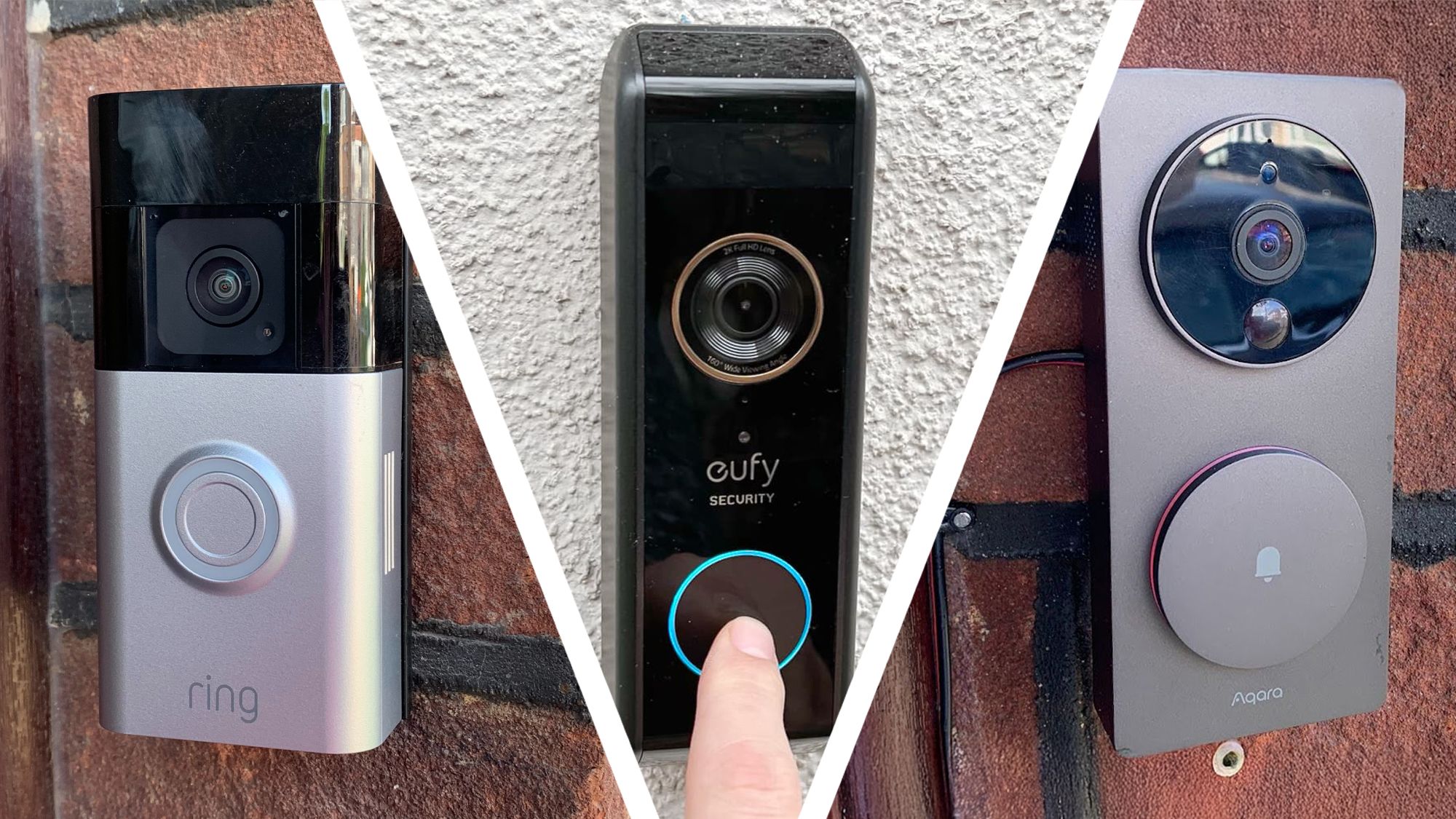
As residential security integrates further into everyday life, video doorbells have moved from niche utility to standard feature for parcel protection and visitor management. The technology spectrum now ranges from integrated smart ecosystems to standalone, wire-free units without subscription fees. A market review of current models highlights significant trade-offs between hardware sophistication and ongoing cost.
The Philips 7000 Series remains a dominant model due to its wireless and wired compatibility and dual-camera setup. The device provides clear imagery via HDR and night vision. However, the system suffers from latency in two-way communication, which can disrupt conversations. Its premium positioning reflects its all-encompassing feature set.
For users within the Arlo ecosystem, the Video Doorbell offers superior integration with Apple HomeKit, Google Assistant, and Amazon Alexa. The unit delivers super-detailed footage, yet it requires a wired connection for optimal performance and a paid subscription to access smart features fully. Its value proposition is strongest for existing Arlo hardware owners.
Eufy's Video Doorbell Dual addresses the delivery sector with a downward-facing camera positioned at ground level to capture mailed packages. The unit includes a base station offering 16GB of local storage, eliminating monthly fees. This configuration complicates installation with its bulk and excludes compatibility with Apple HomeKit.
Renters and those prioritizing connectivity will find the Ring Battery Video Doorbell Plus (Gen 2) offers a quick-release battery mechanism that allows for charging without unit removal. It supports dual-band Wi-Fi for reliable notifications. Conversely, full functionality, including recording and alerts, is gated behind a paid subscription, unlike the Philips offering which includes local storage.
The Doro Hemma focuses on simplicity and accessibility for non-technical users. It features a built-in siren and call redirection to neighbors but lacks the tight integration of major voice assistants. The primary trade-off is maintenance; the device requires weekly recharging and exhibits motion-sensitivity issues.
Product differentiation in this sector now centers on power management and storage. The EZVIZ EP3x Pro provides 32GB of internal storage for recording footage without a subscription, although testing revealed notification delays. Similarly, the SwannBuddy4K offers pre-recorded messages and ample 128GB storage but presents installation challenges. High-resolution competitors like the Lorex 4K Battery Doorbell require frequent recharging to sustain their 4K capabilities despite offering local storage options.
Sources and further reading
See an error? Read our corrections policy or email [email protected].