Google Find Hub: How to Find a Lost Android Phone
Google's Find Hub can help locate a lost Android phone, tablet or accessory. The most useful safeguards—location access, offline finding and a screen lock—must be enabled before the device goes missing.
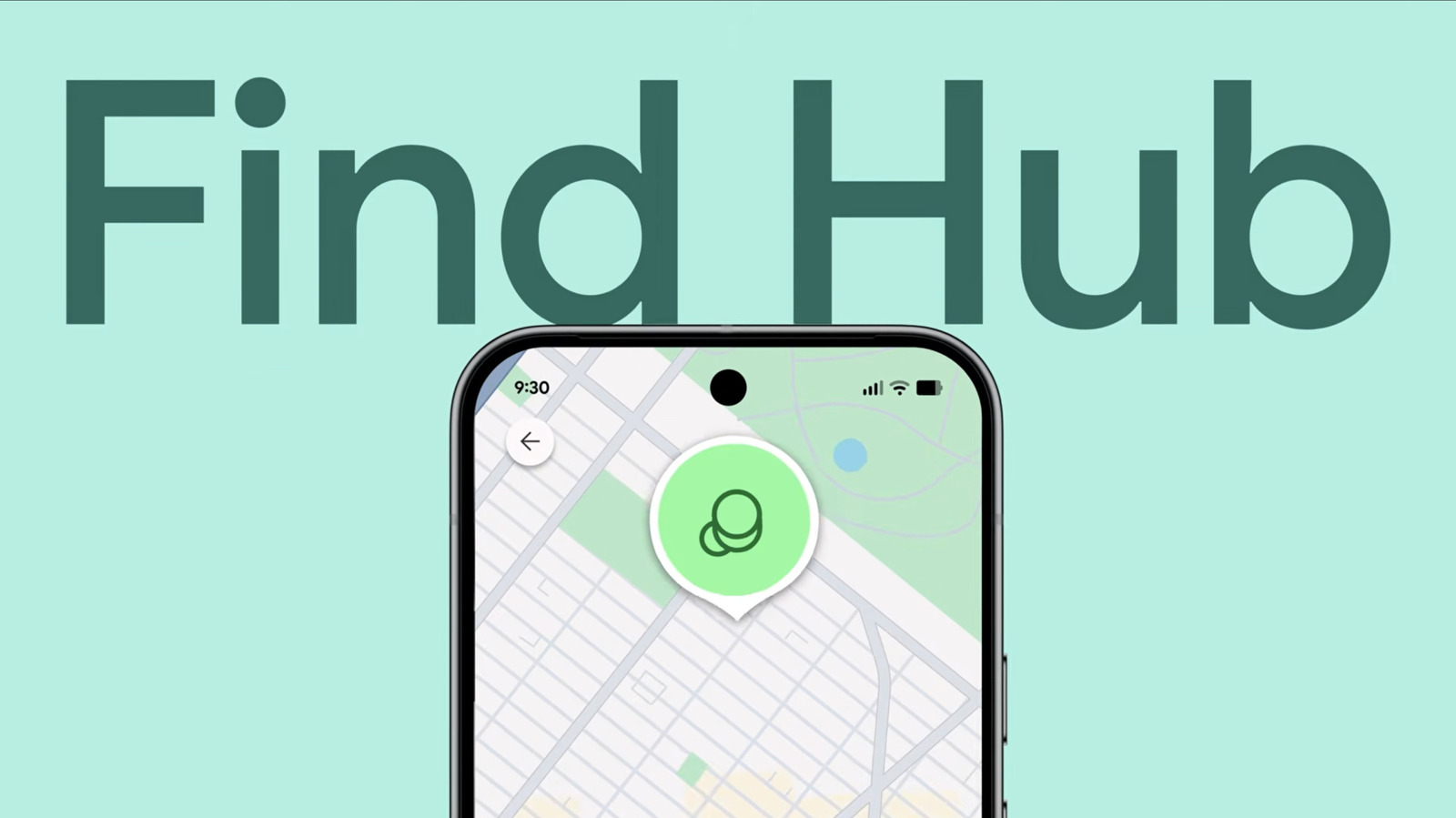
Google's Find Hub is the company's tracking service for Android devices and accessories, and Engadget's guide treats it as the first place to look when a phone disappears. The hub is not limited to phones: it can be reached from another Android handset, a Wear OS watch, or a browser on a computer or phone. The original report focuses on finding a missing Android phone and what to do after it is located.
The most important steps happen before loss. Engadget recommends keeping the phone's software current; confirming the device is signed into a Google account the owner can still access; verifying the account email; and making sure Location is enabled. In Settings, under Security or Security and Privacy, users should find the Find Hub entry—or Lost Device Protection and Find My Mobile on some devices—and enable the option that allows the phone to be located. Menu labels differ by manufacturer and custom interface, but the source says the choices are usually similar.
Offline finding is another preparation step. Turning on "Find your offline devices" or "Offline Finding" lets the hub show the most recent recorded location even when the phone is not connected. A screen lock—PIN, pattern or password—is required for this feature. On supported hardware, such as newer Pixel models, the source says Find Hub can locate a device for several hours after it has been switched off. Users may also see options for network coverage in busy places only or everywhere; Bluetooth and Location must remain on.
If the phone is lost, the user opens the Find Hub app on another Android device or Wear OS watch, or visits the Find Hub website, and signs in with the same Google account. The Devices tab shows the last known location. When the phone is within roughly 10 meters, the hub can pass the location to Maps for directions. It can also make the phone play a sound, even if the phone is set to silent.
For a phone that was stolen or left far away, Engadget describes stronger measures. "Mark as lost" locks the device with its PIN, pattern or password. On Android 17 and later, with fingerprint or Face Unlock, the source says the feature can also add two-step verification. The owner can put contact details and a message on the lock screen. Engadget cautions that thieves or scammers might use that displayed information to trick someone into unlocking the phone.
If recovery seems unlikely, Find Hub offers a remote factory reset. The source calls this a last resort: it permanently erases the device and removes it from Find Hub, so the tracking feature can no longer locate it.
The practical takeaway is that Find Hub's value depends on preparation. Offline finding and a screen lock can improve the odds of seeing a recent location, while a lock-screen message involves a privacy trade-off. This summary reflects Engadget's instructions rather than an independent test of how each Android brand implements the feature.