Google Opens SynthID Detector to All, but It Only Catches Watermarked AI
Google's SynthID Detector is now public, letting anyone check images, video, and audio for AI watermarks from Gemini and some partners. But it can't spot AI from models that don't use SynthID, and it won't tell you what part was generated.

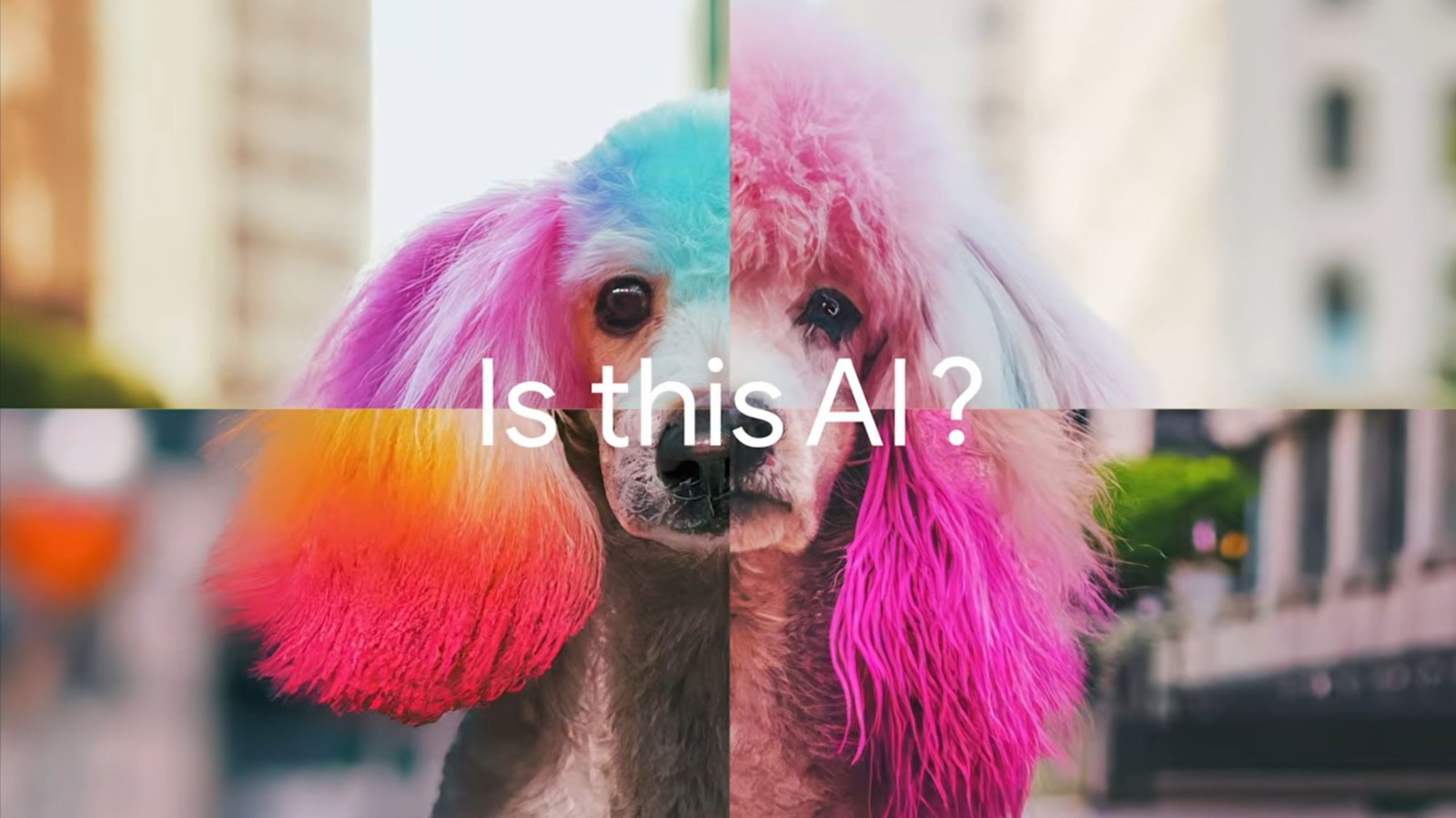
Google has made its SynthID Detector available to everyone, according to Engadget. The tool lets users upload an image, video, or audio file to SynthID.com and get a simple yes or no on whether a SynthID watermark is present. It is a straightforward way to check whether content was made or edited with AI, but it comes with significant limits.
SynthID, introduced in 2023, adds an imperceptible label to AI-generated content. Until now, there was no public way to check for that label. Google launched a limited version for researchers and journalists in 2025, and the tool is now open to all users. The detector works by scanning for the watermark rather than analyzing the media for signs of AI generation. That design should eliminate false positives, but it also means the tool can only confirm the presence of a SynthID label, not independently judge whether content is AI-made.
The detector can identify watermarks in content from Google's SynthID partners, including OpenAI, NVIDIA, and Kakao, in addition to Gemini. Apple also participates in SynthID, but support for detecting its creations is still in development. The tool cannot detect media made with AI models that don't use SynthID, such as Meta's tools. It also only returns whether a label was found, without indicating which parts of a file were AI-generated.
Users must be logged in to a Google, OpenAI, or Apple account to use the detector. Google has reportedly limited users to around 10 checks per day to prevent them from using the output to find ways to remove SynthID, a spokesperson told Ars Technica.
Google says SynthID signatures persist even if AI generations are edited after creation. There is no guarantee that someone won't eventually find a way around that, but the company appears to be taking steps to prevent it.
SynthID Detector is not the only generative AI detector available, but its watermark-based approach may make it one of the more reliable options among those open to the public. OpenAI runs its own detector that can pick out AI-confirming metadata as well as SynthID watermarks. Meta embeds a watermark called Content Seal in its AI creations and offers a web-based detector, though a 2026 Reuters report found that it sometimes failed to accurately spot them. Anthropic and Microsoft have also begun watermarking AI media but do not currently offer consumer detection tools.
The broader limitation is that these tools are built to detect a specific AI marker. No reliable detector exists that can spot generative AI across the board. Many researchers have developed their own AI-spotting tools, but they are not available to the public. General-purpose AI detectors that are openly available produce unreliable results and are prone to flagging human-created work as AI content.
For everyday users, SynthID Detector offers a quick check for content from Google and some partners, but it is not a universal AI detector. Its usefulness depends on whether the content in question carries a SynthID watermark in the first place.
Sources and further reading
See an error? Read our corrections policy or email [email protected].