OpenAI Report: Agentic AI Now Drives 55% of EU Enterprise Output Tokens, but Europe Lags in Frontier Firms
OpenAI's new research shows AI agents account for 55% of output tokens among EU enterprise customers, with SME usage up 8x, yet EU countries hold only a 10% share of global frontier firms.

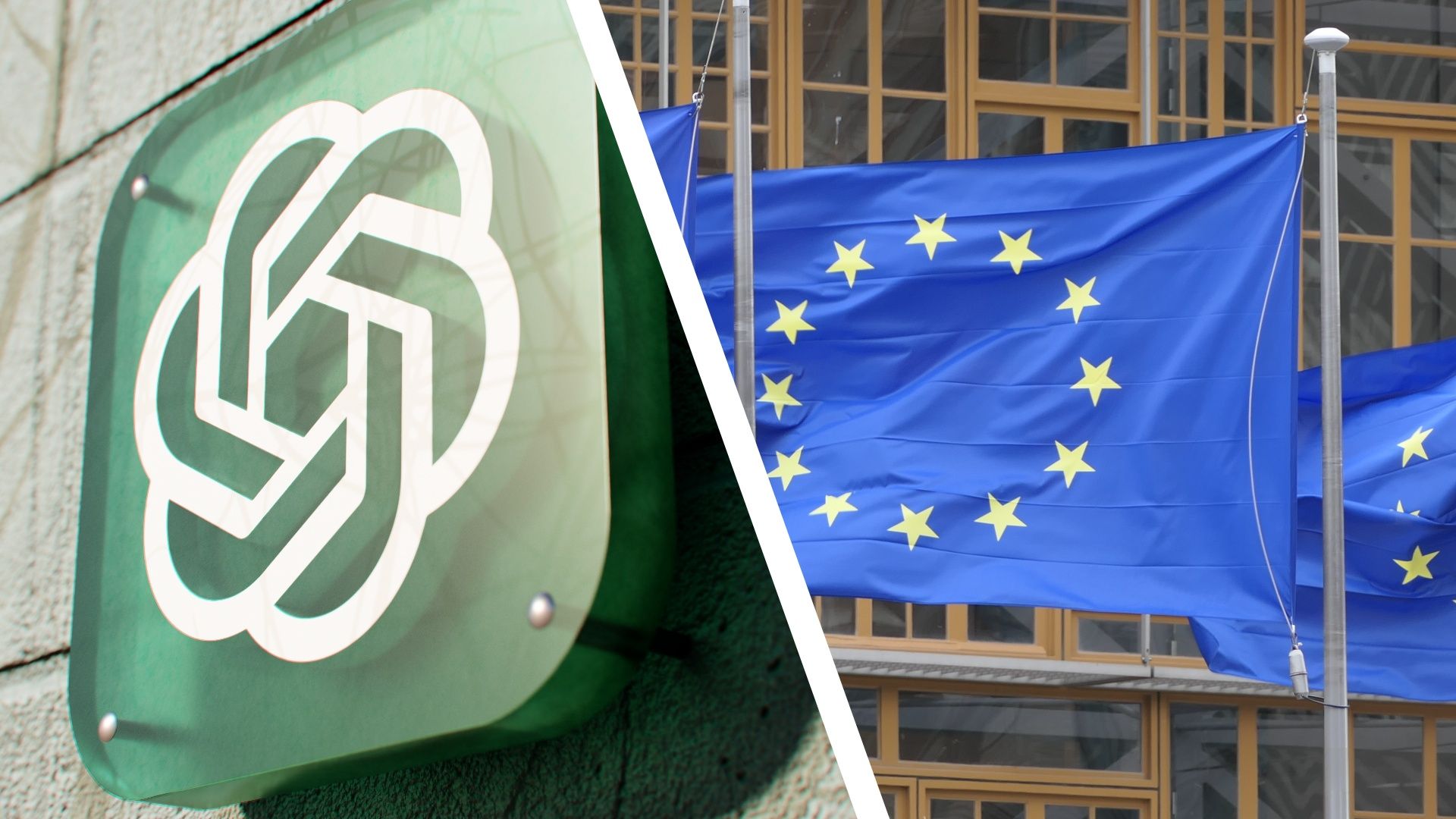
A recent report from OpenAI, as covered by TechRadar Pro, claims that agentic AI is now responsible for 55% of output tokens among the company's enterprise and business customers in the European Union. The metric refers to the volume of text generated by AI agents, not the number of businesses using them, and indicates that among companies that have adopted agentic tools, their output has surpassed that of more basic generative AI.
The report, based on OpenAI's internal data, describes a transition from AI that answers questions to AI that completes tasks. This shift accelerated with the launch of ChatGPT Work, an agentic tool embedded in OpenAI's superapp. The company says agentic AI usage among European small and medium-sized enterprises (SMEs) grew more than eightfold in less than six months, with the sharpest increase occurring around the time ChatGPT Work became publicly available.
Adoption varies widely across Europe. According to the report, Slovenia (22%), Austria (26%), and Portugal (29%) have lower shares of output tokens from agentic AI, while Lithuania (85%), Cyprus (81%), and Hungary (79%) are ahead of the regional average. These figures are based on output tokens, not the proportion of firms using the technology, so they do not indicate that more businesses in these countries are using agentic AI—only that those that do are generating more output.
OpenAI also notes that Europe still trails other regions in what it calls frontier firms: companies in the top tenth of businesses ranked by AI output tokens per active user. EU countries account for about 10% of these frontier firms, behind EMEA (11%), APAC (13%), and North America (65%). Growth rates for frontier firms also differ: non-EU firms saw a 12.9x increase between May and September, compared with 6.1x for EU firms.
In a blog post, OpenAI CFO Sarah Friar wrote, "Europe is now in a new era of AI, with tools that can carry out tasks for people." She added that providing tools, skills, and confidence to use AI well will help build stronger businesses and growing economies. The report suggests that European businesses should move beyond experimentation and focus on accessibility, affordability, and workforce skills.
It is important to note that these findings are based on OpenAI's own data and may not represent the broader AI market. The metrics rely on output tokens, which measure the volume of AI-generated text rather than the number of users or the economic impact. Additionally, the report does not provide absolute numbers or detailed methodology, so the scale of adoption cannot be independently verified. The data covers only OpenAI's enterprise and business customers, excluding other AI providers or consumer usage.
For European businesses, the report signals that agentic AI is gaining traction, particularly among smaller firms that may have previously lacked access to such capabilities. However, the disparity in frontier firm concentration and growth rates suggests that Europe as a whole may need to accelerate adoption to keep pace with other regions. Whether these trends continue will depend on factors such as tool availability, cost, and skills development—areas that OpenAI has highlighted as priorities.
Sources and further reading
See an error? Read our corrections policy or email [email protected].