Sustainable Consumption Strategies for Black Friday
Consumer data reveals a high rate of return and waste. Experts recommend intentional purchasing, focusing on durability and local sourcing to mitigate environmental impact during sales events.

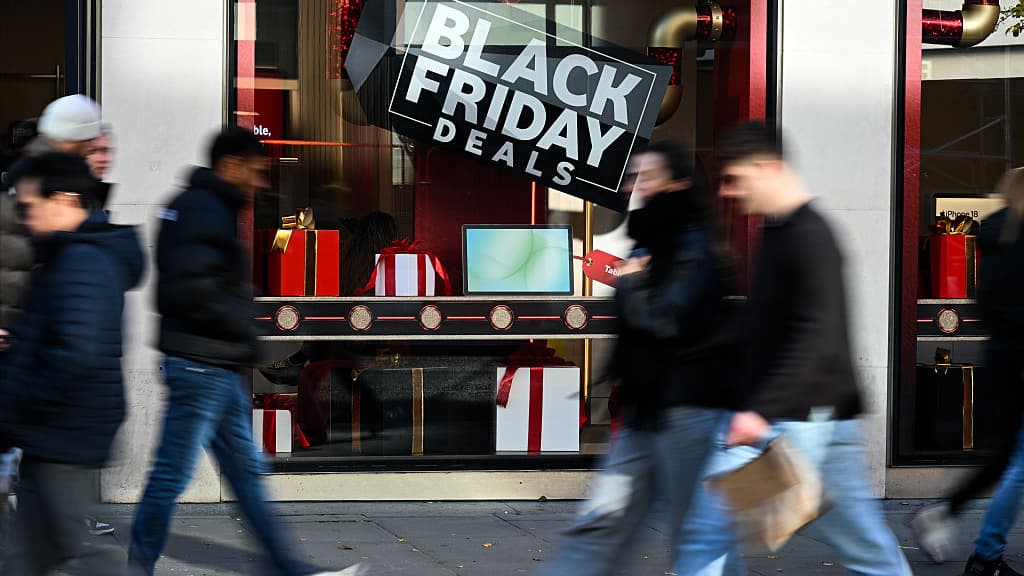
The annual sales event marks the start of the holiday season, yet buying trends show a reliance on surplus items. Data indicates Americans spent $10 billion on unwanted gifts in 2024. Further statistics reveal that 65% of consumers returned holiday gifts last year, while 54% regifted unused items. Retail specialists emphasize that intentional purchasing is necessary to curb this financial and environmental output. With economic conditions driving the search for affordability, prioritizing personal utility is essential.
Experts advise creating a detailed list before engaging with retailers to curtail impulse buying. Karen Winterich, a marketing professor, suggests ignoring deals on unrequested items. "If it's 90% off, but I don't need it, I'm not going to use it. Don't buy it," Winterich advises. Shoppers are encouraged to evaluate the total expenditure rather than merely the discount rate. Shelie Miller notes that the initial impacts of manufacturing and shipping often exceed the product's worth in an environmental assessment.
Purchasing behavior should shift toward durability and local origin. Specifically for gifts directed toward individuals with extensive collections—such as a friend with storage full of coffee mugs—experts recommend local alternatives. Purchasing locally roasted coffee beans or a coffee shop experience replaces a physical object with a memory or experience. This approach aims to prevent accumulation. Furthermore, for office exchange participants like Secret Santas or new neighbors, consumable items are suggested. Examples include a locally baked loaf of bread or homemade jams. Such gifts ensure the recipient utilizes the item immediately, rather than it joining a pile of unloved goods. This approach signals care without contributing to the global statistic of 34 billion pounds of textile waste generated in the U.S. annually. Additionally, global electronic waste continues to climb.
Supply chain efficiency also impacts sustainability goals. Corporate analysis attributes roughly half of a delivery's total emissions to last-mile logistics. Consumers can counteract this by selecting "ship to store" options rather than direct home delivery. By focusing on long-term item use and strategic logistics, shoppers can mitigate their environmental footprint during the holiday rush.
Sources and further reading
See an error? Read our corrections policy or email [email protected].


