Synthetic voices are raising the stakes for 911 dispatchers
AI-generated callers are making hoax emergency reports sound convincingly human, and there is no reliable technical fix. Dispatchers say they will keep treating every call as real.

What happened
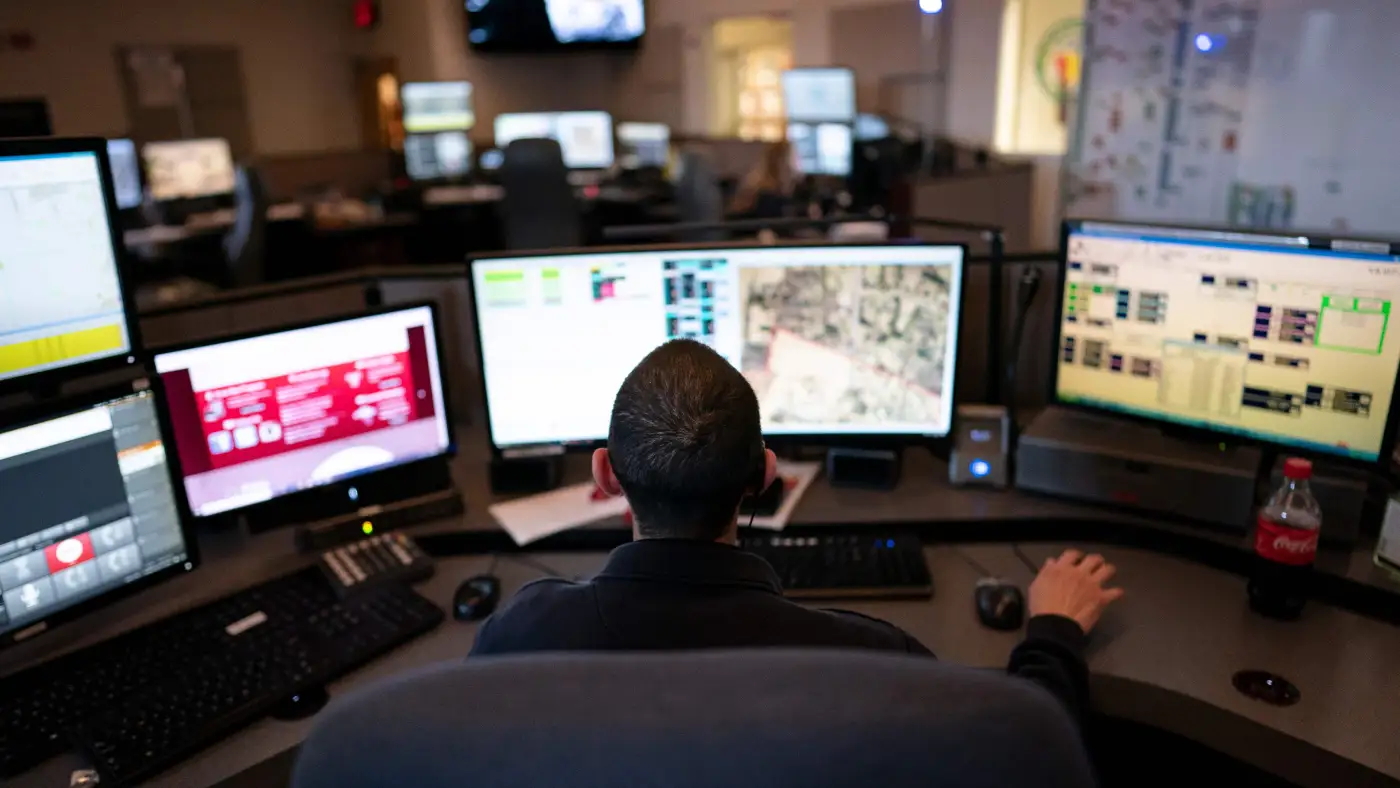
In August, someone called in a bomb threat against Wheatland Union High School in Yuba County, Calif. Police turned out overnight and classes were canceled. No device was found and no one was hurt. Authorities said the call belonged to a run of summer hoaxes against schools nationally — but this one carried a distinguishing feature, according to NPR: the voice on the line was machine-generated.
The FBI defines swatting as a false report of a bombing, shooting or other life-threatening emergency, made to provoke a large-scale emergency response. The intent is usually to harass or retaliate against a specific person, often a public official, and the effect is a chaotic deployment that pulls police, fire and medical resources away from genuine calls.
Why AI changes the equation
Dispatchers have handled swatting for years, and the fabricated voices were often recognizable as such. That gap is closing. Mel Maier, chief executive and executive director of APCO International, which represents public safety communications officials, said synthetic callers now produce natural-sounding speech, complete with hesitation and filler words.
Brandon May, an assistant professor of forensic psychology at the Florida Institute of Technology, told NPR that commercial voice-cloning services make this cheap and accessible — he described replicating his own voice for under $20, adjusting pitch, intonation and pauses. The practical consequence, he said, is that judging authenticity by ear or eye no longer works reliably, and that dispatchers face these judgment calls in situations where the outcome is consequential.
APCO and the Public Safety Threat Alliance surveyed public safety communications professionals and published findings in June based on 766 responses. Roughly 14% of dispatchers reported being targeted with AI tools. Maier expects that share to grow as the tools improve.
What defenders can actually do
There is no patch. Nothing in the reporting suggests a technical filter that reliably flags a synthetic caller, and the experts quoted describe detection as increasingly difficult rather than solvable.
The countermeasures under discussion are procedural. April Heinze, vice president and chief of 911 operations at NENA: The 9-1-1 Association, noted that most swatters avoid dialing 911 directly, because the system captures location, a callback number, the phone owner's name and other data that is difficult to spoof. Instead they call a police department or courthouse and get transferred in, which strips away that context and makes tracing harder.
APCO is developing training criteria built around caller interrogation — questions specific enough that a model cannot answer them from public records, social media or guesswork, in Maier's description. Both Heinze and Maier declined to detail existing detection techniques, arguing that publishing them would help adversaries tune their models against dispatchers.
What it means for the public
For now the burden falls on call-takers, and the guidance from both associations is that the response will not change. Heinze said centers will always treat a reported life-threatening situation as genuine and dispatch accordingly, even when indicators of a hoax are present. That stance protects real victims, but it also means AI-assisted swatters can still reliably manufacture a large emergency response — the outcome the tactic is designed to produce.
NPR reported that people have been killed and injured in swatting incidents, a point Maier raised in describing the stakes. The reporting does not quantify how often AI tools have been involved in harmful outcomes.
For individuals, the reporting points to a narrower takeaway: the same cloning tools that make hoax calls convincing also underpin voice-based fraud, which May said has been used to talk people out of their savings. Treat unexpected urgent calls requesting money or credentials with suspicion and verify through a separate channel.
This article summarizes reporting by NPR Technology; all facts and expert statements above originate with that reporting.
Sources and further reading
See an error? Read our corrections policy or email [email protected].