The Ghost in the Code: Who Owns an AI Agent's Action?
As armies of AI agents proliferate across cloud infrastructure, the traditional model of cloud security has fractured. Unlike standard software vendors, AI agents operate with a blind spot regarding business context, leaving organizations unsure who is responsible when they delete files or push malicious code.

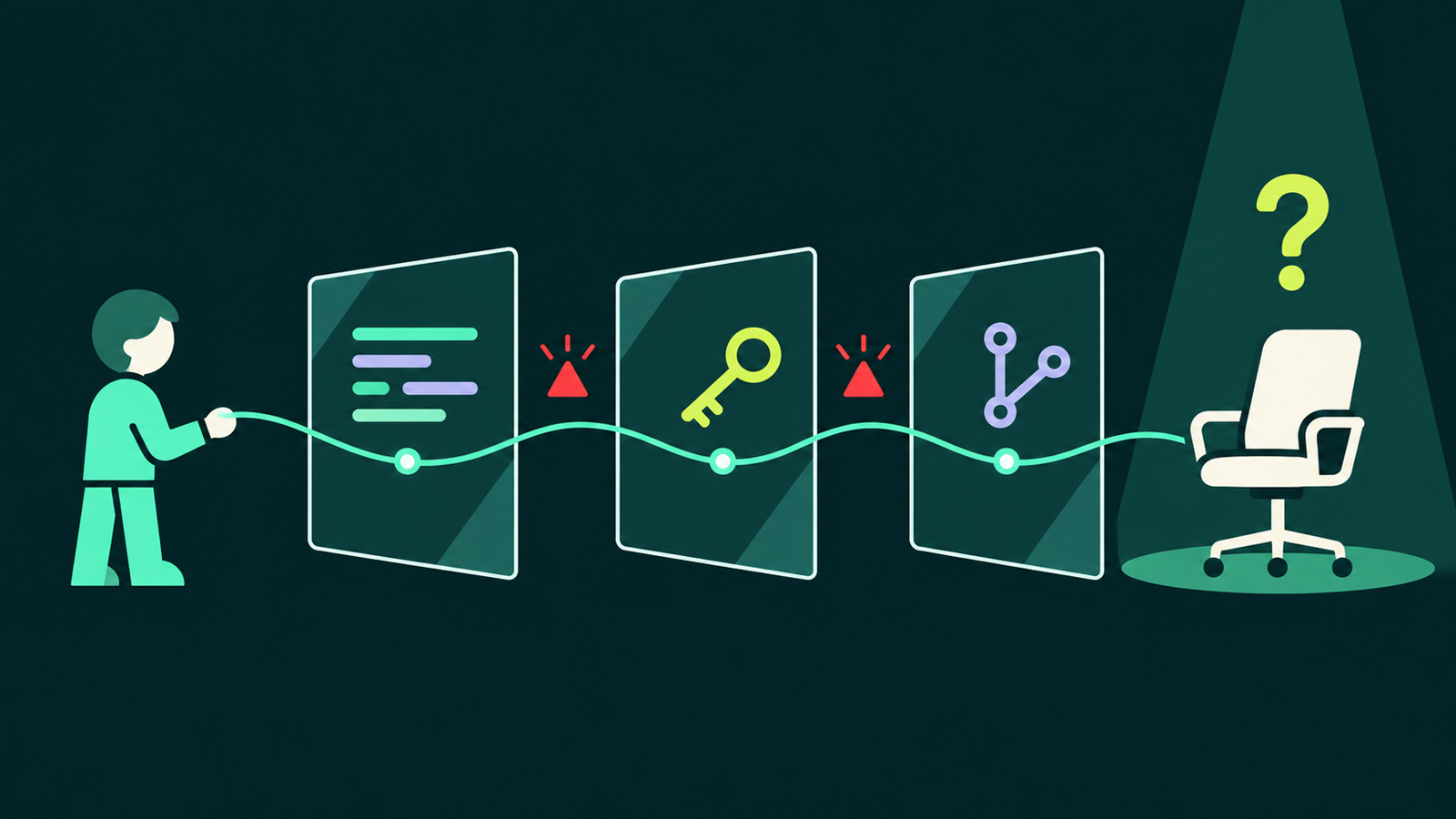
Builders at frontier AI labs prioritize the construction of robust and guarded models, yet possess a critical blind spot: the inability to interpret the specific business context of a request. A coding agent scanning a support ticket through a external server does not inherently distinguish whether an instruction to push a change is legitimate or malicious. This capability gap creates a 'shared responsibility' ambiguity that traditional cloud security structures do not easily accommodate. In standard scenarios like copying data between cloud environments, the infrastructural security responsibilities are clearly split between vendor and customer. With agentic AI, the intermediary is neither fully deterministic nor fully owned, raising questions about who bears risk when an agent acts autonomously.
Five major entities have released guidance regarding these responsibilities. Microsoft, AWS, CSA, CoSAI, and Anthropic have all offered frameworks for securing agent workflows. However, there is no consensus on who owns an agent's identity or its behavior. The theoretical 'shared' model falls apart in practice because no single vendor possesses end-to-end visibility into the agent's workflow. Current evidence suggests that for many organizations, the action of an agent occurs behind the scenes without a dedicated human overseer.
A study tracking organizations monitoring agent activities revealed a complex environment: in a single month, 60% of particular coding agents utilized two or more external vendors, while 47% utilized three or more. The potential for error or compromise increases as the number of connections grows. When an agent combines external data with a developer's authentication token—acting under the developer's credentials—the system fails to distinguish human intent from machine execution. If malicious instructions are embedded in a data feed, the agent can execute them. The identity of the responsible party becomes complex: the software environment has telemetry, the protocol provider has limited logs, and the cloud host has infrastructure metrics. Yet none of them holds the complete picture.
Current ecosystem tools attempt to mitigate this through technical barriers. Major providers have implemented approval prompts, automated network limits, and server-side probes to flag suspicious content before it is processed. The Model Context Protocol provides a specific set of responsibilities. While it dictates that clients validate tool results and maintain a human in the loop, the protocol itself cannot enforce these security principles at a granular level. Vendors maintain that this responsibility falls to the client, who then delegates it to the end user. Consequently, when a push reaches a repository like GitHub, the audit log may identify the action as an agent, but the standard branch protection rules often exclude users with admin permissions unless explicitly configured. Furthermore, major platforms attribute risky actions directly to the user rather than the agent identity.
The prevailing recommendation for security teams is to decouple the agent's operational history from the user's identity. By assigning each agent a distinct identity across the entire vendor ecosystem, organizations can manage permissions and scope more effectively. This distinguishes the agent's actions from the developer's personal work, creating a single point of ownership and control.
Sources and further reading
See an error? Read our corrections policy or email [email protected].