UP and State Universities Pool Vessels to Expand Offshore Data Network
The University of the Philippines Marine Science Institute leads an alliance of four state universities to share six research vessels, addressing critical infrastructure deficits in marine monitoring.

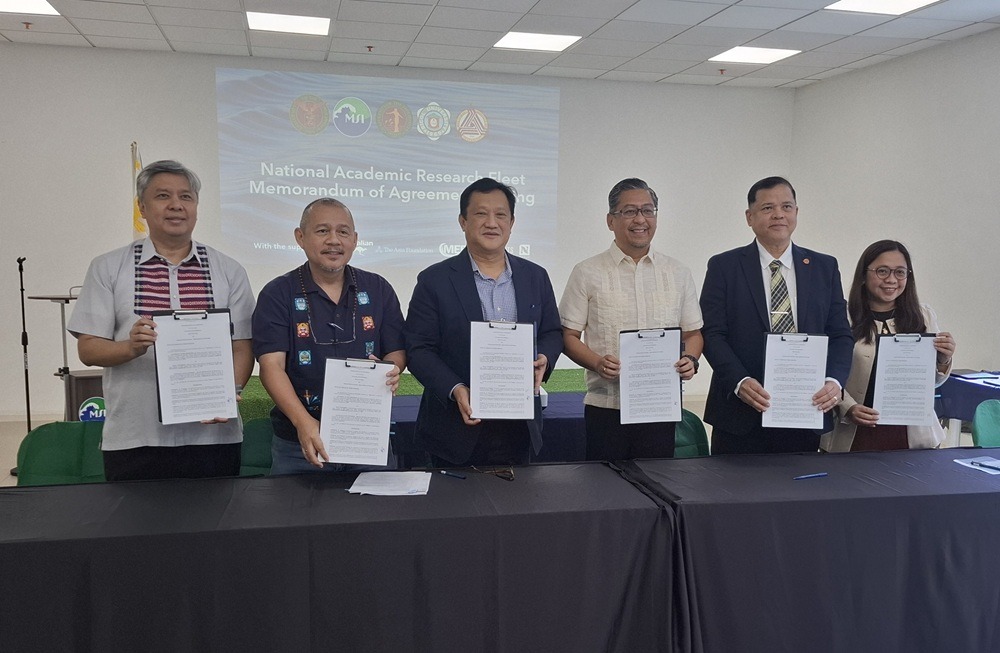
The University of the Philippines (UP) and its partner institutions are deploying a shared fleet of six research vessels to resolve persistent gaps in offshore data collection across the Philippines. This initiative, formalized in an agreement signed on November 23, unites four key universities—UP Diliman, UP Visayas, Bicol University, and Mindanao State University–Iligan Institute of Technology—under a unified framework for managing the National Academic Research Fleet (NARFleet).
By consolidating these assets, the program aims to enable scientists to collect biological and oceanographic samples from areas previously constrained by logistical limitations. The vessels facilitate the establishment of baseline conditions in marine environments and support the tracking of variations over time. This capability is fundamental for digital architectures and analytical tools that rely on long-term data streams for accurate modeling of marine processes and environmental shifts.
The collaborative venture addresses a significant deficit in national research infrastructure; despite the Philippines' exclusive economic zone spanning approximately 2.2 million square kilometers, a shortage of suitably equipped vessels has historically limited offshore technical capacity. This scarcity is specifically highlighted by recent findings from a 2025 policy brief issued by the UP Center for Integrative and Development Studies, which reported that no individual coral reef site within the Philippines has maintained more than 15 years of continuous monitoring data. Such temporal gaps compromise the utility of data-driven insights for commercial and conservation sectors.
The expanded access allows researchers to gather information critical for sectors including fisheries management, biodiversity conservation, and climate adaptation strategies. Following the signing, UP President Angelo Jimenez emphasized the integration of artificial intelligence and digital technologies as accelerants for scientific discovery. While the fleet provides the physical apparatus for these endeavors, the administration also highlighted the need for transparent communication of findings to policymakers to sustain government-backed research initiatives.
Beyond data collection, the consortium prioritizes the training of personnel in fieldwork operations. The agreement fosters the conduct of joint expeditions, establishing a centralized logistical coordination mechanism for the islands' oceanographic community.
Sources and further reading
See an error? Read our corrections policy or email [email protected].
Continue reading
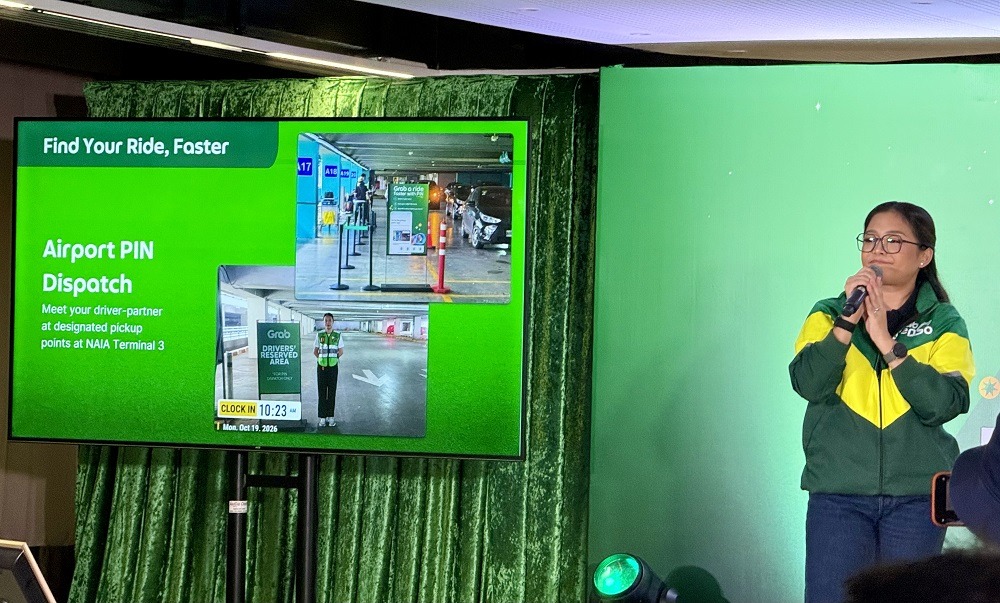
Grab Pilots Queue-Based Dispatch System at NAIA Terminal 3 to Reduce Wait Times

Governanceefined: AIA Philippines Adds an AI Strategist to Its Board