Value Analysis: Sweetening the Deal for Smart Rings Without Subscriptions
With Oura's hardware costs amplified by monthly fees, consumers are pivoting to alternatives from Amazfit, Renpho, RingConn, and Samsung that offer comparable health telemetry at reduced or no recurring costs.

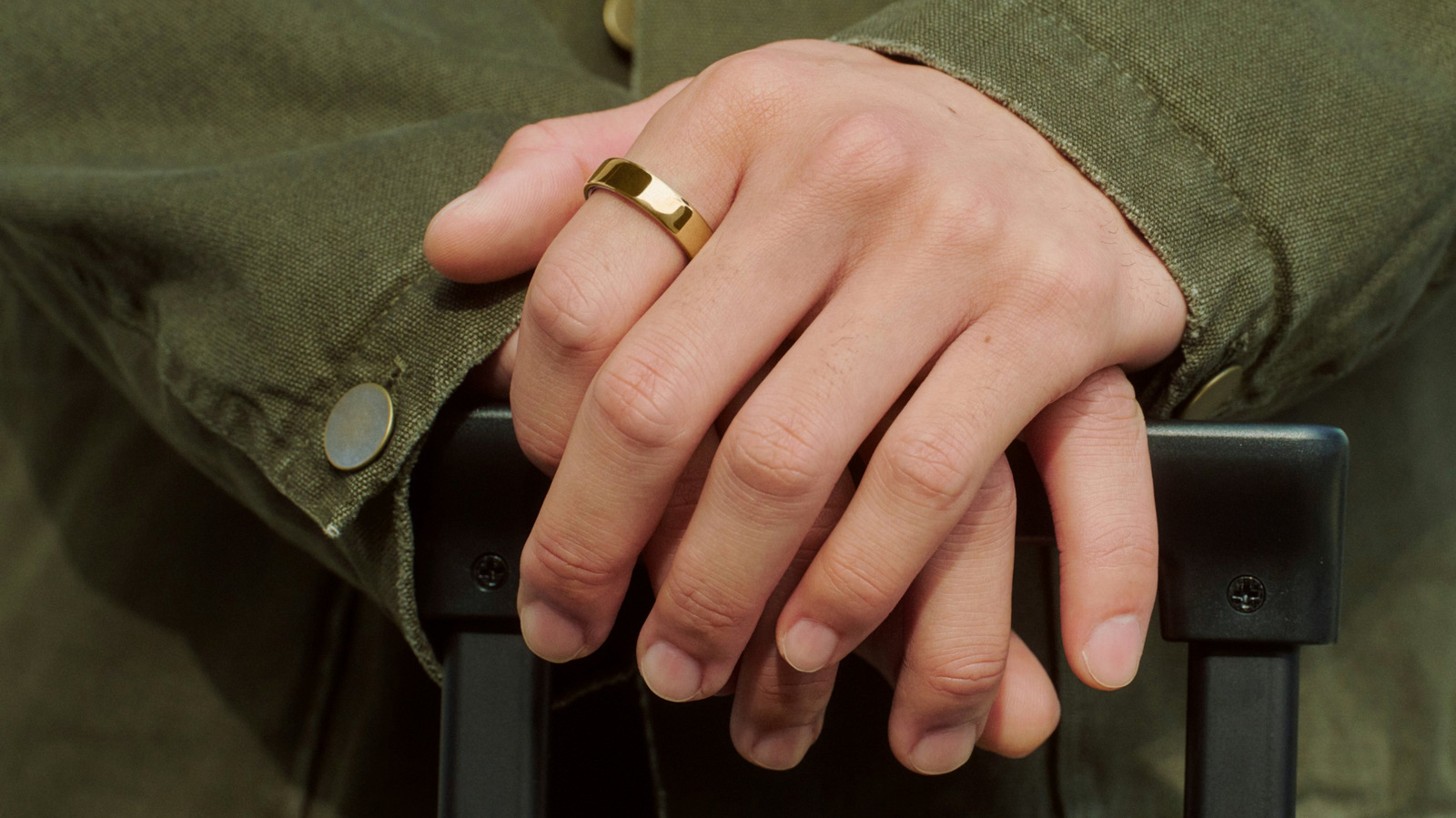
The Oura Ring 5 carries a base hardware cost of $399, but unlocking its detailed sleep, recovery, and activity insights requires a membership of $5.99 per month or $69.99 annually. Over two years, this recurring expense drives the total ownership cost to nearly $539 before taxes. This model places the device among the most expensive available trackers, a factor prompting comparisons with competitors offering similar functionality for less.
Amazfit’s Helio Ring presents a significantly lower entry point at approximately $161. The device monitors sleep, heart rate, and recovery via the Zepp app, which currently grants Zepp Aura Premium access at no charge. It features integration with Amazfit smartwatches and offers a portable charging case. However, availability is restricted to U.S. sizes 8, 10, and 12, and battery life is rated at up to four days.
Renpho’s LYNX ring provides an option at $179.99 (discounted from $199.99), offering sleep, stress, and activity tracking without a subscription on both iOS and Android. It includes a portable charging case. However, accessibility to the data is complicated by independent testing that found inconsistent heart rate readings during exercise and questionable sleep data accuracy, alongside limited app-based analysis.
RingConn provides the Gen 2 Air for $199, billing itself on a ten-day battery life span. The device offers heart rate, skin temperature, and sleep monitoring without recurring fees, utilizing a charging dock. Users should note that sleep apnea pattern monitoring is reserved for RingConn's higher-tier models.
Samsung’s Galaxy Ring is listed at $399.99 with an Amazon promotional price of $324.99. It includes a charging case and does not mandate a membership for its health-tracking features. Unlike Oura, Samsung places no monthly cost on its users. The hardware was found to be somewhat basic. A critical limitation is that the Galaxy Ring is Android-only; furthermore, specific Galaxy AI features are tethered to compatible Samsung Galaxy phones, making it inaccessible to iPhone users.
The Circular Ring 2 retails for $349, featuring single-lead ECG readings and heart-rhythm monitoring without a subscription (advanced features remain paid). Despite the hardware capabilities, user reviews highlight unpolished software; the app has been described as cluttered and slow to sync, though recent updates have addressed some connectivity issues. The company explicitly cautions that health measurements are for informational purposes and not for medical diagnosis.
The Ultrahuman Ring Pro is the most expensive entry at $479. It includes a charging case and free core health tracking, though 'PowerPlugs' are sold separately. The app has been praised for its detail and ten-day battery life, though automatic workout detection has struggled to capture activities reliably. The product faces legal uncertainty; Oura has filed a lawsuit seeking to block U.S. sales in October 2026, following an earlier ruling that restricted the imports of the Ring Air.
Sources and further reading
See an error? Read our corrections policy or email [email protected].