Xbox at 25: Which Console Changes Actually Improved Daily Use
Engadget's anniversary retrospective shows Xbox's most consequential upgrades were not always the flashiest: online play, storage, cooling, HDMI, Blu-ray and 4K support each changed how owners used the console.

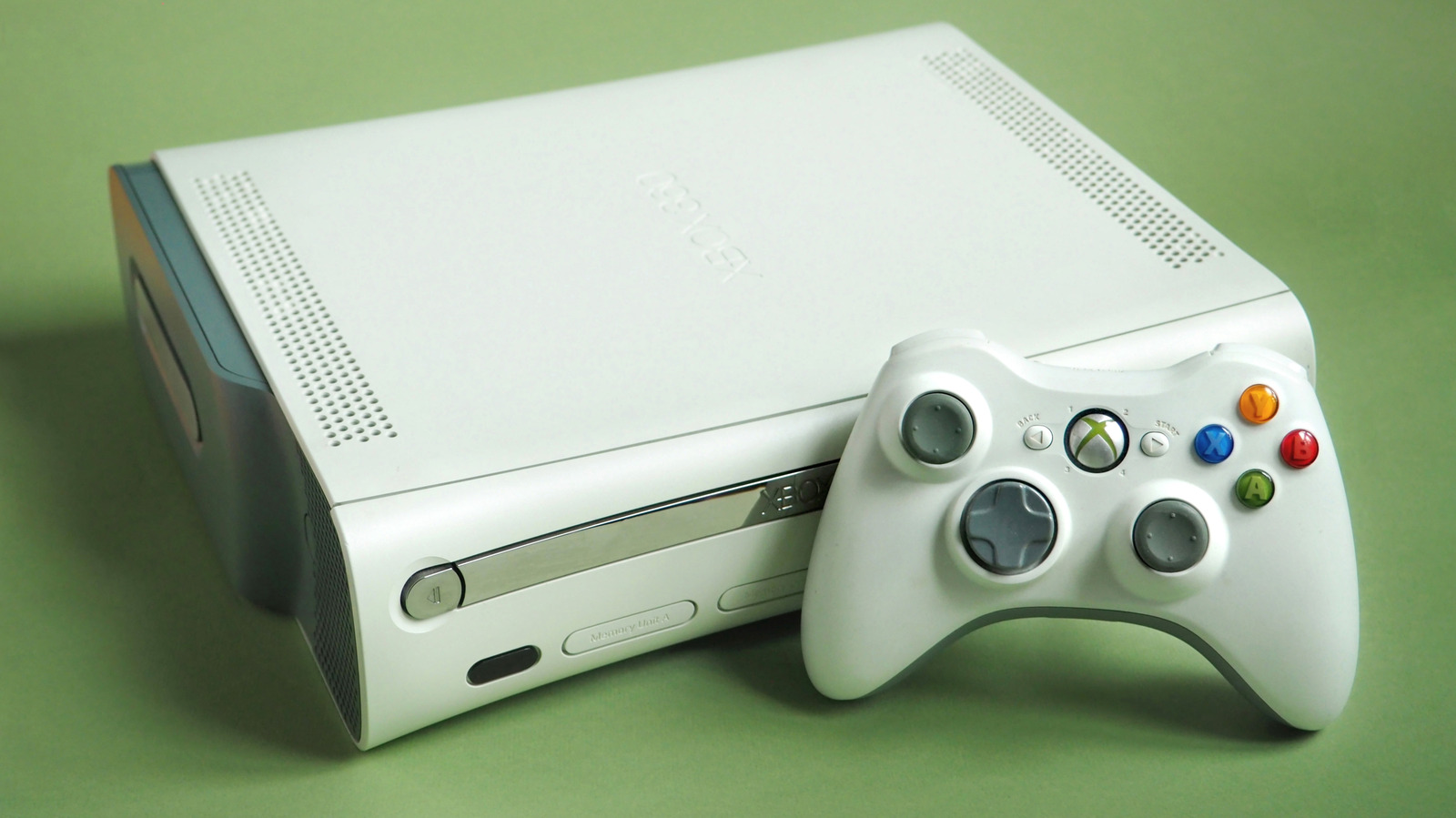
Engadget's 25th-anniversary Xbox retrospective counts nine console variations across four generations. Its useful thread for buyers is not nostalgia but daily utility: which changes made the console easier to live with, and which models fit different habits today. The source's answer is a progression from online access and storage to cooling, disc formats, resolution and digital-only pricing.
The original 2001 Xbox cost $300 and competed with Sony and Nintendo. Engadget gives Microsoft credit for setting a high bar for online console gaming with Xbox Live, launched in late 2002. For $50 a year plus an internet connection, players could join friends or strangers in games including Halo: Combat Evolved. Engadget reports the service had more than 300,000 subscribers within four months and, citing a 2003 Microsoft release, nearly 50 percent more subscribers than PS2 network adapters. By mid-2005, after Halo 2's holiday release, Engadget says Xbox Live reached two million subscribers.
The Xbox 360 arrived in 2005 in two forms. Engadget describes the $400 Premium as including a wireless controller and a detachable 20GB hard drive, while the $300 Core had a wired controller and no hard drive, leaving buyers to add storage or use a memory card. The 2007 Elite added a matte black finish, a 120GB drive and HDMI. In 2010, the 360 Slim addressed the earlier model's overheating and red-ring failure issue with a new cooling system and up to 320GB of storage. The 360 E followed in June 2013. Engadget says the 360 remains Microsoft's best-selling console at at least 84 million units and introduced achievements and Gamerscore.
Kinect, introduced in 2010, used a camera to track the player's whole body rather than a remote. Microsoft then bundled Kinect 2.0 with the $499 Xbox One in 2013 and initially required it to stay plugged in; Engadget reports the company reversed that requirement before launch. In 2014, Microsoft cut the price to $400 and stopped bundling the camera. The Xbox One also added a built-in Blu-ray player, a 500GB drive and a revised controller. The $399 Xbox One S arrived in 2016 without a dedicated Kinect port, adding 4K video support, a 4K Blu-ray player, 4K streaming, 1080p upscaling and a 40 percent smaller body. The $499 Xbox One X followed in 2017 with native 4K gameplay and HDR; Engadget notes that Enhanced titles varied in how fully they used the hardware.
The Series X was announced in 2019 and launched for the 2020 holidays at $500. Engadget describes it as Microsoft's fastest and most powerful console, with promises of ultra-low latency and native 4K gaming up to 120fps. The $300 Series S, revealed two months before release, is digital-only and maxes out at 1440p with upscaling rather than native 4K. After price increases, Engadget lists the Series S at $500 for 512GB, the digital 1TB Series X at $750 and the disc-drive Series X at $800. Microsoft marked the original console's 25th anniversary with a translucent green Series X.
For daily use, the source's feature list points to several meaningful shifts: Xbox Live made online play central; the 360 Premium removed the storage and wired-controller compromises of the Core; the Slim addressed reliability; the One S added 4K video and a smaller chassis; the One X and Series X pushed native 4K; and the Series S cut the disc drive and resolution to lower the entry point. The upgrade guidance below is an interpretation of Engadget's descriptions, not independent testing. A Game Pass subscriber who does not buy discs and accepts upscaling is the clearest fit for the Series S in the source's account. A player who wants native 4K, up to 120fps and a disc drive is directed by the source toward the Series X.
Sources and further reading
See an error? Read our corrections policy or email [email protected].