Anthropic's Record Valuation and Pledge Signals New Era for AI Philanthropy
The Claude AI producers' public listing secures a historic valuation, triggering matching equity initiatives for employees and increased commitments from strategic philanthropic funds.

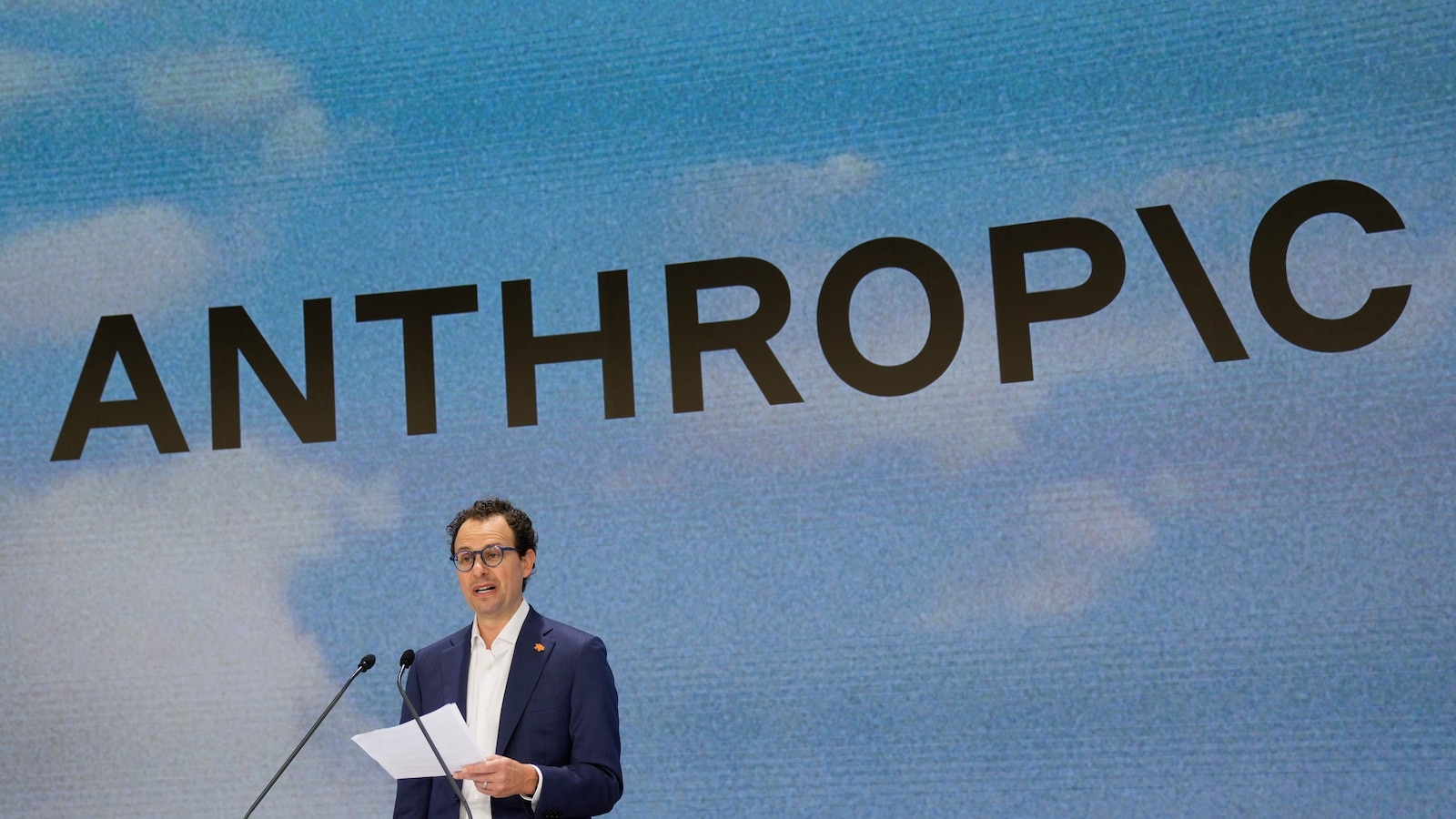
The public offering of Anthropic has generated a valuation of $1.5 trillion, establishing a new financial benchmark for artificial intelligence enterprises. The listing has prompted immediate strategic planning regarding the distribution of this newly acquired wealth, with the company and its founders outlining distinct philanthropic frameworks.
Pre-market initiatives established by Anthropic include the creation of an Anthropic Public Benefit Fund, designated to allocate 5% of its shares. Additionally, the company’s seven co-founders have committed to gifting 80% of their equity, representing approximately $112 billion based on the IPO pricing parameters.
For the workforce, the liquidity event triggered by the IPO positions 5,300 employees to access vested stock. To facilitate early engagement in charitable giving, the company operates a matching program that pairs employee equity gifts with Class N common stock. Partnerships with industry vendors such as Daffy offer advisors tools for tax-efficient grantmaking.
Despite the optimistic projections, the realization of this capital faces logistical and timing hurdles. Nonprofits are awaiting the "liquidity lock-up" period, during which employees cannot fully liquidate or donate shares until the spring of the following year. Market analysts, including Nan Ransohoff of Stripe, estimate the aggregate potential annual philanthropic contribution from leading U.S. AI firms could approach $37 billion.
The historical context of philanthropy is shifting. While industrial moguls like John D. Rockefeller established bureaucratic institutions to address root societal causes, and the post-mobile era introduced a data-centric approach, the current wave of AI wealth is characterized by a focus on extreme peril and transformative potential, according to Benjamin Soskis of the Urban Institute.
Existing philanthropic entities are scaling preparations. Coefficient Giving, founded by co-investors and early Anthropic stakeholders Cari Tuna and Dustin Moskovitz, has shifted its stake to an undisclosed nonprofit structure. The organization confirmed a $1 billion commitment to the grantmaker GiveWell in July, citing expectations of expanded future funding.
Organizations operating within the effective altruism framework, such as the Wild Animal Initiative and GiveDirectly, are enhancing capacity. GiveDirectly has secured investment to expand physical supply chains for mobile phones, a logistical necessity for its digital cash transfer models to the poor. As potential billionaires engage philanthropic advisers, the volatility of the broader AI sector remains a factor influencing market confidence.
Sources and further reading
See an error? Read our corrections policy or email [email protected].