Apple's Rebuilt Siri in iOS 27 Adds Personal Context, but Hardware and Language Limits Apply
Apple's iOS 27 rebuilds Siri with AI, letting it pull answers from your emails and messages. But the assistant needs an Apple Intelligence-capable device and currently works only in English.
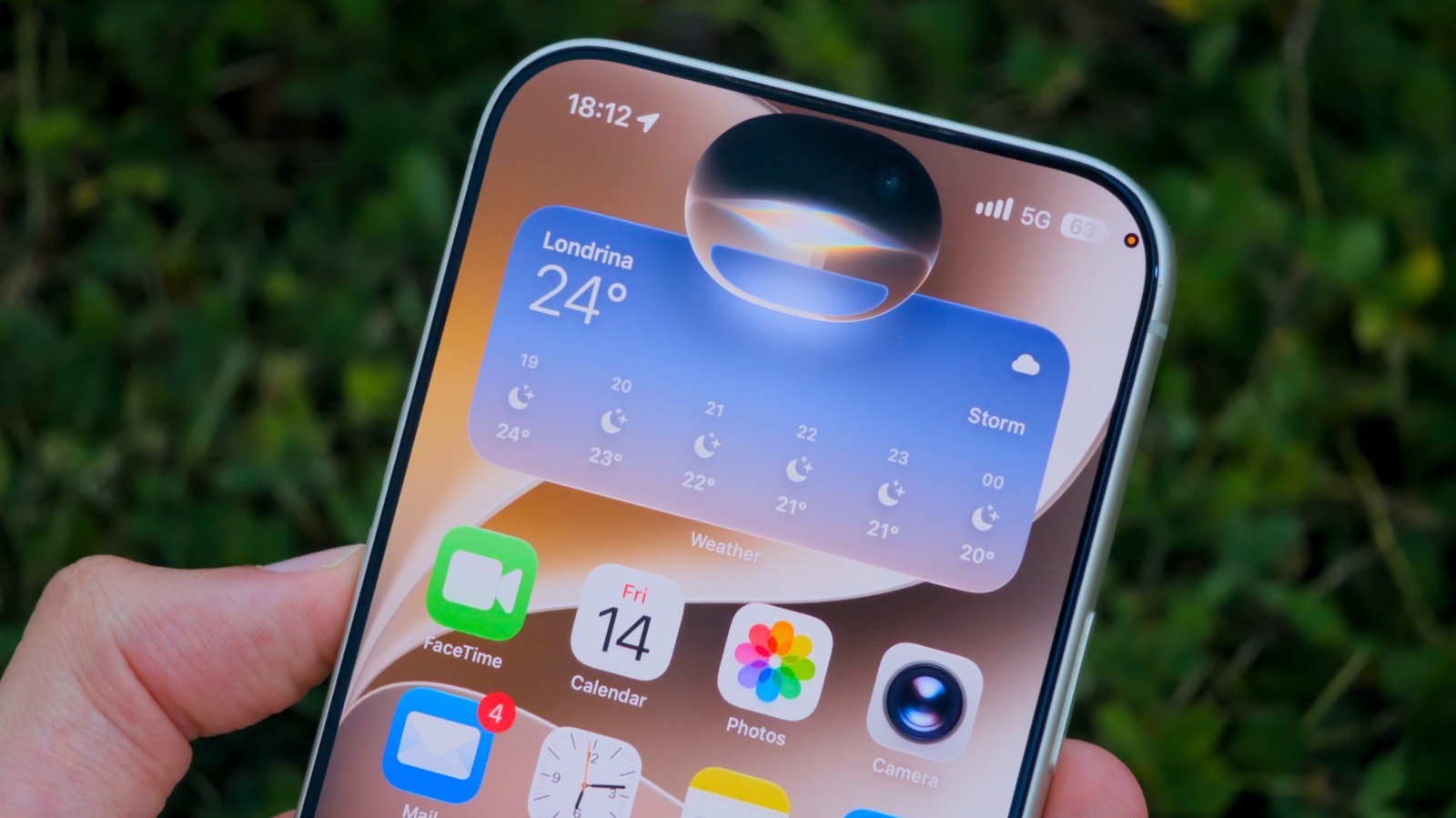
Apple's Siri has long been the butt of jokes — a voice assistant that could set a timer but often fell back to a web search for simple requests. According to Engadget, iOS 27 aims to change that with a Siri rebuilt around AI, part of Apple's Apple Intelligence push.
The central change is what Apple calls "personal context understanding." Once iOS 27 is installed, users may see a notification in Settings about "Optimize Search and Siri." This indicates the device is learning from the user's emails and messages. Engadget notes the process takes time and runs faster when the phone is locked, charging, and connected to Wi-Fi. Without completing it, Siri AI cannot function as intended.
Engadget offers concrete examples of what this enables. On a trip, a user who has just landed at an airport could ask Siri for the hotel's address instead of digging through emails. The assistant would likely find it from emails and conversations, and can copy the address to the clipboard. Similarly, if a user cannot recall the name of a song or book a friend sent in a message, Siri can search messages for it.
General knowledge queries are also part of the pitch. Engadget cites asking Siri for surprise songs from a specific Taylor Swift Eras Tour concert, with the assistant expected to find them on Apple Music. Siri AI also works with third-party apps, though Engadget says this depends on developer adoption. Flighty and Gentler Streak are cited as already compatible.
But the upgrade is not universal. Beyond updating to Platform 27, users need a device that supports Apple Intelligence: an iPhone 15 Pro or later, or a Mac or iPad with an M1 chip or later, plus the seventh-generation A17 Pro iPad mini. Siri AI is also currently English-only. Apple says more languages will roll out starting in October with French, Japanese, Korean, Portuguese, and Spanish. Engadget adds that users may have to join a waiting list for the new Siri and the Siri AI app, though it usually does not take long.
Interpretation: The personal-context feature is the most substantive shift described. It addresses a long-standing complaint that Siri lacked awareness of what is on a user's device, forcing manual searches. If it works as described, it could make Siri useful for retrieval tasks that previously required opening Mail or Messages. However, the source does not provide independent testing, latency figures, or privacy details beyond the learning process itself. The practical value will depend on how reliably Siri surfaces the right information without prompting users to search manually.
The upgrade path is also narrow. Requiring an iPhone 15 Pro or later, or an M1-era Mac or iPad, excludes many existing devices. The English-only launch and waiting list add friction, even if temporary. Engadget's report suggests Apple is positioning Siri AI as a flagship reason to upgrade, but the benefits are limited to users with compatible hardware and in supported regions.
For those who already own eligible devices, the change may be worth trying once the learning process completes. For everyone else, the most meaningful improvements will have to wait until they upgrade hardware or until Apple expands language support. Engadget's account is largely descriptive of Apple's announced features, and independent verification of daily-use performance is not yet available.