AT&T CEO Calls Starlink Mobile 'Not Viable' as Carriers Team Up on Satellite Coverage
John Stankey doubts Musk's satellite cellular ambitions can replace fiber, while AT&T, T-Mobile, and Verizon launch a joint venture targeting dead zones.

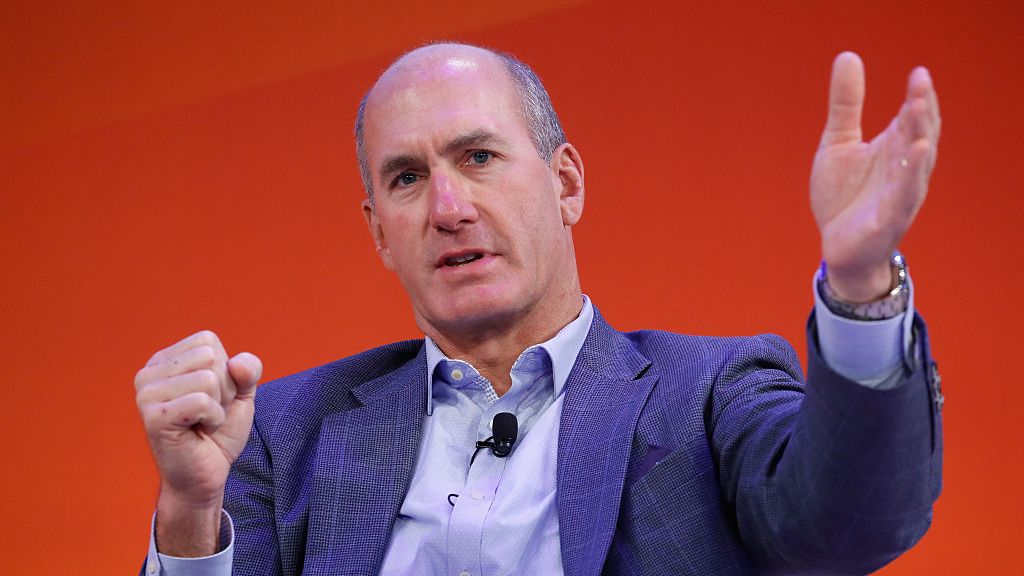
AT&T CEO John Stankey has pushed back on Elon Musk's aspirations to build Starlink into a full-fledged mobile carrier, telling Axios that the strategy is "not a viable" one. His core objection rests on infrastructure: Starlink's service depends on satellites rather than fiber, and Stankey argued fiber remains roughly three times faster than satellite connectivity. Even under ideal conditions over the next decade, he said, satellite will not surpass fiber.
Starlink's broader plans are not purely satellite-based. The company has previously outlined intentions to install small cellular base stations alongside its dishes at homes and businesses, a hybrid approach that could extend coverage through localized infrastructure. Stankey is skeptical of that route as well, describing it as enormously expensive and raising practical and legal obstacles. Among his concerns: radiating cellular signals from a private residence would require the owner's consent unless the law changes. He cited this as one of several reasons the model would struggle to work effectively.
Analyst opinion is mixed. Madison Rezaei of Bernstein said Starlink Mobile could fill a meaningful gap in remote, rural, maritime, and disaster scenarios, but is far from replacing terrestrial carrier networks. Alex Besen, CEO of the Besen Group, took a more bullish view in comments to Fierce Network, suggesting conventional carriers will lose at least some of the consumer market, though perhaps not a majority of it.
Meanwhile, the established carriers appear to be hedging. AT&T, T-Mobile, and Verizon have launched a joint venture aimed at eliminating coverage dead zones using satellite connectivity. The move suggests that even if Starlink Mobile's ambitions fall short of replacing existing networks, satellites are becoming part of how mainstream carriers plan to fill gaps.
What does this mean for everyday users? The practical takeaway is less about a near-term shake-up and more about gradual change. Satellite links are positioned as a complement for places where towers and fiber do not reach, not as a wholesale replacement for the networks most people rely on daily. For consumers in well-served areas, the near-term experience is unlikely to shift dramatically. For those in remote or underserved locations, the relevant question is whether satellite-backed coverage from either Starlink or the carrier joint venture arrives, and at what cost and speed.
Stankey's remarks and the carriers' joint venture point in the same direction: a future in which masts, fiber, and satellites are mixed together to serve customers. Whether Starlink Mobile becomes a genuine rival or remains a niche supplement is unresolved, and the analysts quoted here disagree on how much market share conventional carriers stand to lose. What is confirmed is the skepticism from AT&T's chief executive, the existence of the carrier joint venture, and Starlink's stated hybrid infrastructure plans. What remains interpretation is how quickly any of this translates into meaningful changes for the average phone user.
The reporting on Stankey's comments and the analyst views comes from TechRadar, drawing on interviews with Axios and Fierce Network.
Sources and further reading
See an error? Read our corrections policy or email [email protected].