Beyond Whoop: Fitness Trackers Without the Mandatory Subscription
A look at the best smart bands and trackers offering similar health metrics without the ongoing cost of Whoop's membership model.

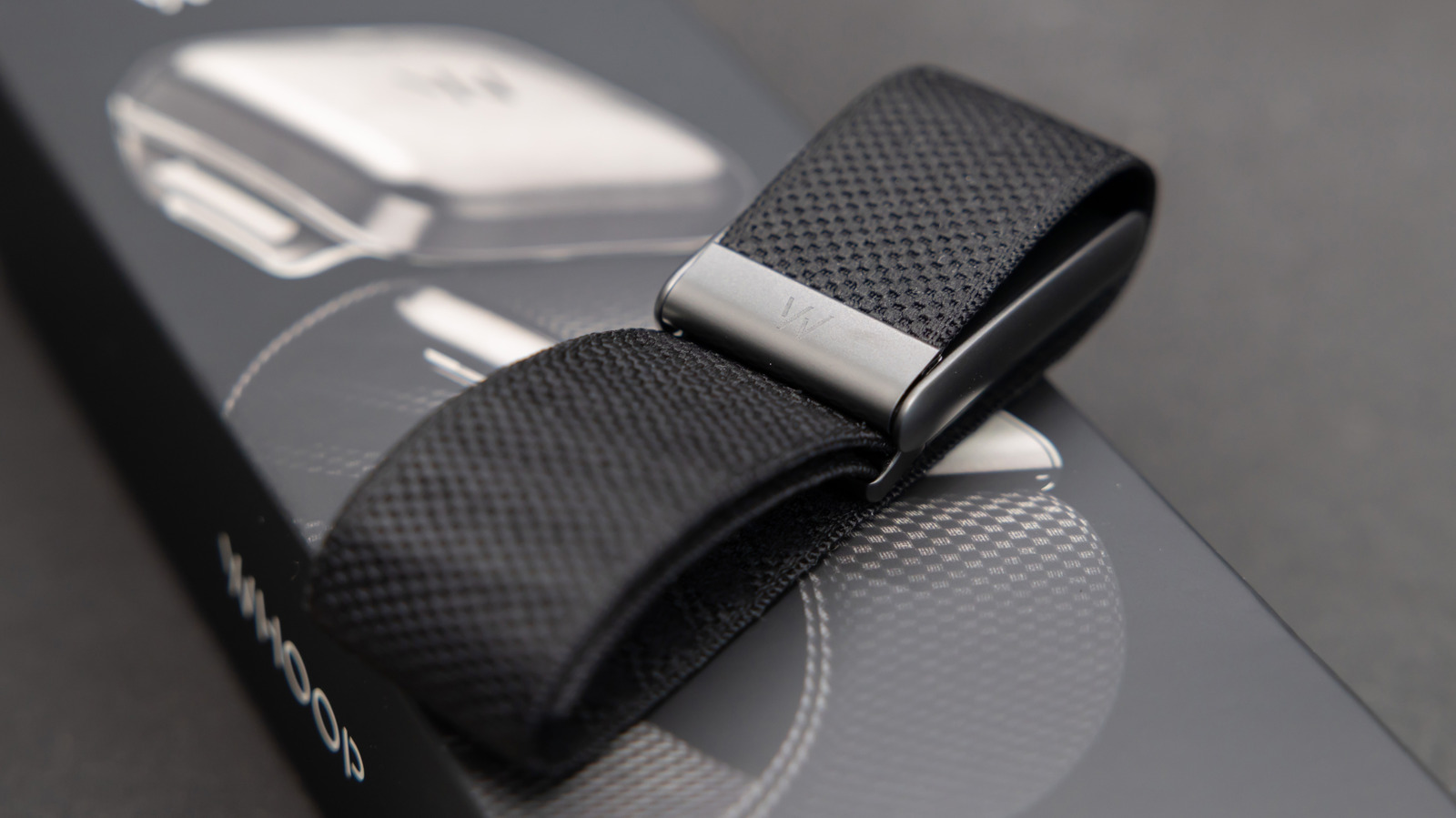
Which devices offer the Whoop experience without the $199-to-$359 annual lock-in? Several competitors track key metrics without requiring a mandatory membership.
The Xiaomi Smart Band 9 appeals to budget-conscious buyers. This model tracks heart rate, sleep, stress, blood oxygen level, and women's health data. Its primary advantage lies in battery life, which supports three weeks of typical usage, significantly outperforming the Whoop's endurance. The device offers replaceable bands and a screen with over 100 customizable faces. However, its inclusion of a display prevents the ultra-low-profile look of the Whoop. Designers also omitted a physical navigation button, though the unit remains fit for sleep wearing.
Google's Fitbit Air provides a screenless alternative that prioritizes discretion. It monitors heart rate, sleep, stress, blood oxygen saturation, and women's health. Users report daily battery cycles and the ability to recharge the device fully in five minutes. While the device functions without a paid subscription to track basic metrics, unlocking a personalized fitness plan requires Google Health Premium for $9.99 monthly or $99.99 yearly. Reviewers noted that the AI coaching features occasionally suffered glitches, though the hardware is described as a "close alternative" for those seeking screenless tracking.
For iPhone owners, the Apple Watch SE 3 serves as a robust, though distinct, option. It tracks fitness metrics and integrates with iPhone ecosystems for notifications and media control. Siri offers coaching capabilities similar to Whoop's guidance system, though using the assistant for complex queries consumes Siri credits. Extended usage credits for this AI feature require iCloud+ subscription plans starting at $2.99 per month. While the device lacks built-in calorie counting, it does not rely on the ecosystem-specific fitness tracking fees seen in other wearables.
Garmin's vivosmart 5 aims for a middle ground between smartwatches and sensor-based trackers. It features a small screen and syncs with smartphones for incoming alert management, including text replies on Android. Despite being a GPS-enabled device brand, this specific model does not include built-in navigation features. Users must utilize the Garmin Connect app to access advanced data and customization options, as some features are restricted behind a Connect+ subscription tier ($6.99/month).
Finally, the Google Fitbit Charge 6 addresses the trade-off between screen and privacy. It tracks the same core metrics as competitors, including blood oxygen saturation and women's health. The device distinguishes itself by supporting real-time heart rate communication with smart gym hardware like Peloton. It serves as a "best fitness tracker" pick for 2026, credited with long battery life, built-in GPS, and an excellent heart rate monitor. Like other Fitbits, it offers a standard free tracking mode alongside the Google Health Premium tier.
Sources and further reading
See an error? Read our corrections policy or email [email protected].