Decoding the background: The utility and limitations of smartphone barcode scanning
Scanning barcodes with a smartphone reveals product details, but choosing the right tools requires balancing platform capabilities, app privacy, and AI reliability.

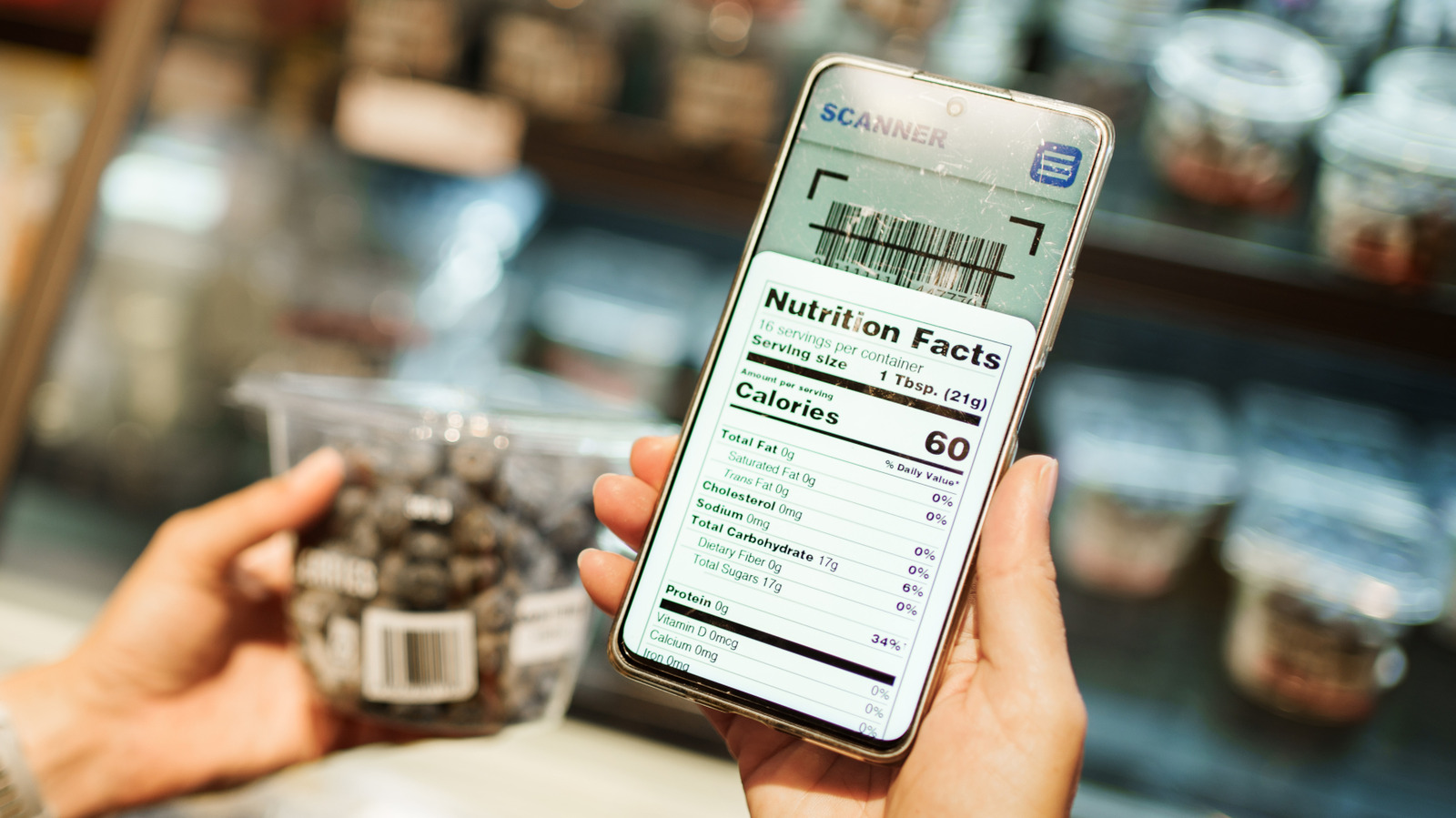
Smartphone cameras have transformed basic utilities into powerful information hubs. The ability to scan a barcode is one such underestimated capability, bridging the gap between a physical object and its digital profile. This feature is particularly useful for health-conscious individuals seeking to verify nutritional content or DIY enthusiasts investigating hardware specifications before a purchase.
The efficacy of this technology largely depends on the operating system and available tools. Google Lens offers the most immediate experience, pre-installed on most Android devices and acting as a seamless extension of the camera interface. For iPhone users, the experience varies; while the Google app can facilitate similar scanning, newer models with Apple Intelligence support offer "Visual Intelligence"—though the article notes Apple does not explicitly guarantee consistent barcode recognition through this method.
Users can trigger these scanners either through an on-screen prompt when the target is in focus, or by manually tapping the shutter button to force an identification process. The results typically include pricing and general product descriptions. However, for more granular data—such as precise macronutrients and micronutrients—specialized applications are often superior. Apps like Cronometer or MacroFactor are frequently recommended for their access to comprehensive databases. Users should be aware that specialized nutrition apps often rely on freemium models, requiring subscriptions for full functionality.
While generic scanning apps exist, users should exercise caution regarding data privacy. "Free" applications often monetize user data or bombard users with intrusive advertising. Even established tech giants like Google collect data, though their transparency is generally higher.
A critical technical distinction exists between barcodes and QR codes. QR codes are automatically detected and linked by camera software, whereas barcodes typically require manual activation by the user.
Ultimately, the reliability of the scanning process depends on the presence of a scannable code. Barcodes connect to static databases, providing concrete facts. If an item lacks a barcode, generative AI features (like Google Lens or Visual Intelligence) may struggle, as they are susceptible to hallucinations—mistaking one product for a similar alternative. Therefore, while AI-assisted visual inspection is a powerful feature, a standard barcode scan remains the most concrete method for retrieving verified product information.
Sources and further reading
See an error? Read our corrections policy or email [email protected].