Diagnosing Rattling Speakers: A Path to DIY Repair
Vehicle audio distortion is frequently caused by installation anomalies or cabin resonance rather than broken hardware.

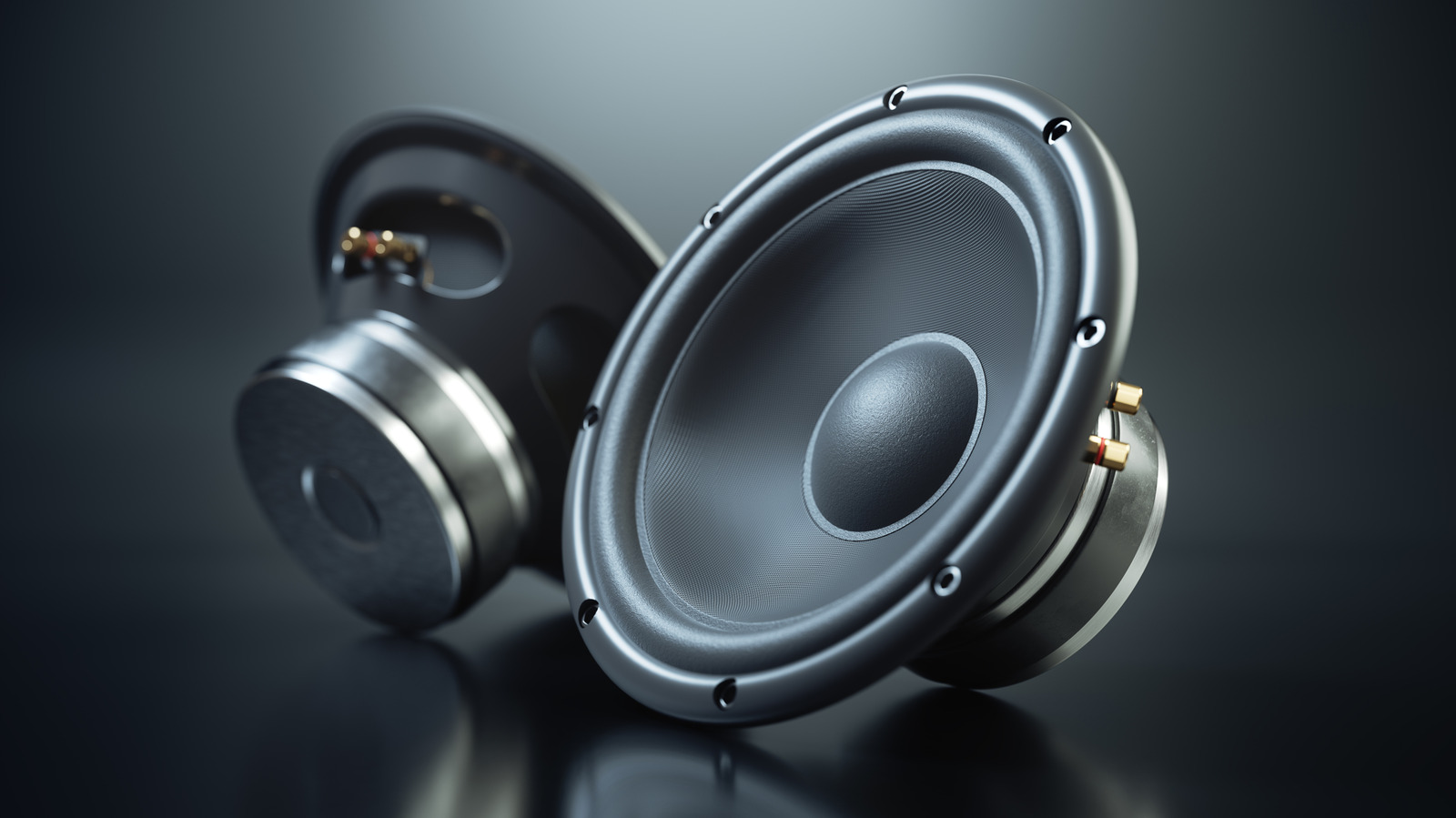
Drivers exposed to rattling car audio typically assume an equipment malfunction requires expensive replacement components. However, the source of the noise is often transient rather than catastrophic. Common culprits include devices using more power than the cone can handle, weak amplifiers, or pressure from booming bass frequencies that force the cone to move beyond its capacity. This movement can dislodge internal components or vibrate the door panels, creating noise that mimics speaker failure.
The rattling may originate from the enclosure itself. Loose mounting hardware often results from road vibration or poor installation, creating space that exacerbates sounds. Physical pressure applied to the speaker grille can determine if the distortion stems from the connection itself or the surrounding door panel, which may resonate if surfaces are improperly dampened.
Prior to purchasing replacements, technicians determine whether the speaker is merely rattling or has failed entirely. A device is considered blown if distortion persists at low volume levels or if certain frequencies are must be audible. Conversely, periodic rattling is usually negligible damage that only occurs at high volume ranges.
Once the speaker unit is established as functional, visual inspection is performed. Surrounds, voice coils, and cones are checked for breaks or cracks. Wiring integrity is also examined; terminals may become jarred loose from years of vibration, or polarity may be reversed entirely. Testing involves wiggling wires behind the head unit or doors to see if the sound stops or intensifies, signaling a connection issue.
Environmental adjustments can stabilize the system. If the issue is located in low frequencies, the problem may be related to bass response or subwoofers. Equalizer settings can be adjusted by resetting them to zero and gradually increasing volume to identify the frequency range causing the problem. Powers issues are managed by reducing amplifier gain if overpowering is the cause, or by cutting speaker loads if the amplifier is underpowered.
Structural dampening can also rectify noise. Applying peel-and-stick rubber mats or foil-backed materials to metal door surfaces prevents the chassis from vibrating. Additionally, foam gaskets and baffles placed between the speaker and mounting surface, or along panel edges, provide a cushion between mechanical parts.
Sources and further reading
See an error? Read our corrections policy or email [email protected].