Ethernet Cables Beyond Networking: Video, Audio and Power Uses Explained
Category cables can carry more than data, but each alternative use involves trade-offs. A look at HDMI extension, multichannel audio and Power over Ethernet.

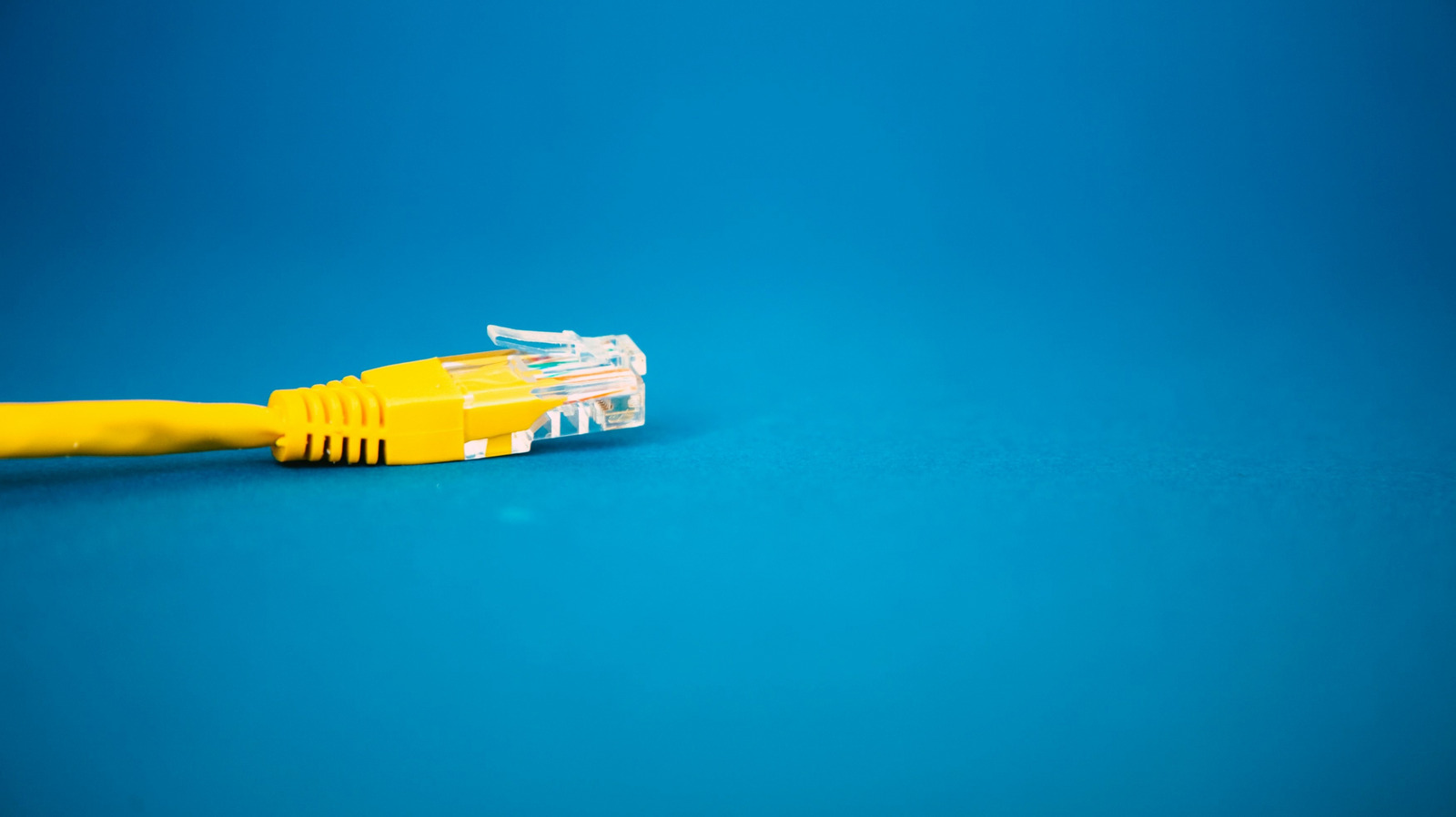
Ethernet cables are often treated as the least interesting item in a tech setup, but they are capable of more than linking devices to a router. According to Engadget, category cables can also carry video, audio and electrical power. The same report cautions that being technically possible does not make any of these uses the best choice.
Video over category cable
HDMI normally connects equipment positioned close together. When a signal has to travel farther, category cable can act as the link between two HDMI extenders. One adapter transmits and another receives, while the cable in between carries the signal. This arrangement, as described by Engadget, is distinct from Ethernet networking; it does not route video over a local network, unlike AV over IP. The cable only serves as the connection between the two adapter units.
That setup may suit a room where an unused cable already runs through a wall, or a case where a distant device such as a projector needs a signal. Engadget notes it is not automatically the best answer. Active optical HDMI can also cover long distances, and some HDMI cables support formats such as 4K at 120Hz that many extenders do not. The report frames category cable as a possible fit for certain niche installations rather than a default recommendation.
Audio over category cable
Category cable can also carry several channels of analog audio when paired with suitable adapters. A single run can replace multiple separate cables, which Engadget says could appeal to a studio connecting microphones in one room to recording equipment in another without threading many individual lines through a wall.
For most situations, standard XLR cables remain simpler and relatively inexpensive. Category cable becomes interesting mainly when the wiring is already installed. Some installations also require shielded cable, particularly when microphones receive power through the connection.
Power over Ethernet
Power over Ethernet is the use Engadget treats as more than a niche workaround. PoE allows one Ethernet cable to deliver both data and power, which is useful for equipment located away from an outlet. A porch camera, for example, could receive power and a network connection through a single cable, or a ceiling-mounted Wi-Fi access point could be wired the same way. The cable must connect to a device that supplies PoE, such as a compatible switch or injector.
Engadget describes PoE as a genuinely useful standard rather than an oddity. Even so, the equipment at both ends needs to support it and supply enough power for the device in question.
What this means for buyers
The meaningful distinction is between occasional tricks and established standards. PoE is the clearest reason to think about what a category cable can do beyond ordinary networking, and it is well established for cameras and access points. HDMI extension and analog audio over category cable are more conditional: they can work, but only with the right adapters, and only when existing wiring makes them convenient. In many homes, the simpler alternative remains the better one.
Sources and further reading
See an error? Read our corrections policy or email [email protected].