EV Charging Levels Explained: When Level 1, Level 2 or Level 3 Makes Sense
Engadget's guide breaks down the practical tradeoffs between household, 240-volt and DC fast charging, and explains why faster is not always the right choice for every driver.

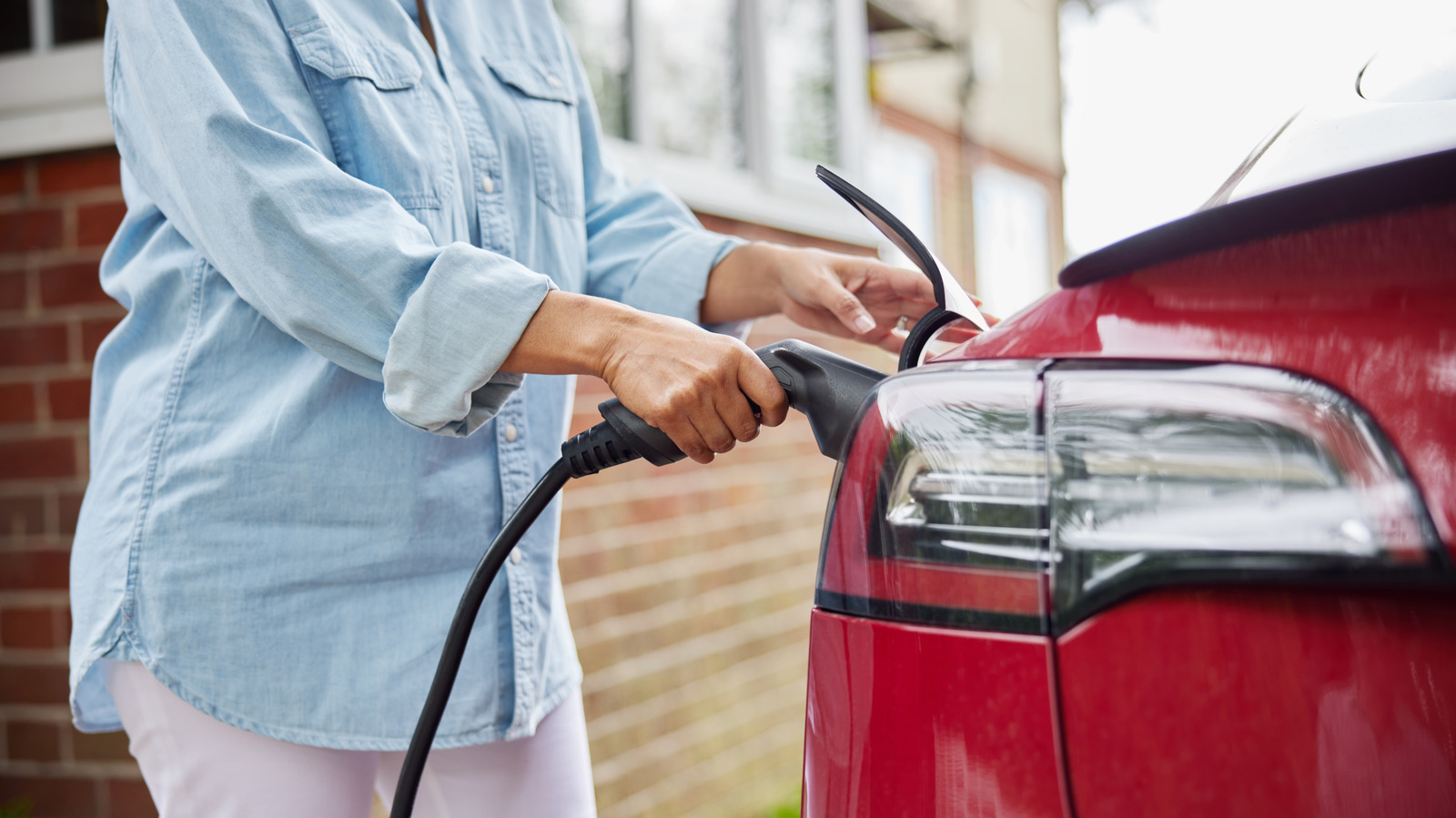
Engadget's recent explainer sorts out the practical differences among Level 1, Level 2 and Level 3 EV charging. The short version is that faster charging is not automatically the right choice for every driver. The decision depends on daily mileage, where charging happens, local electricity prices and whether the home's electrical service can support an upgrade.
Level 1 uses the standard 120-volt household outlet in North America. Engadget reports that it provides about 1.4 kW of charging power, and that a fully depleted EV battery can take more than 40 hours to recharge. The US Environmental Protection Agency estimates Level 1 adds roughly 5 miles of range per hour, according to the article. That means an 8-hour overnight session could yield around 40 miles. For drivers with short daily commutes, Engadget suggests this may be enough, especially if charging is scheduled during off-peak hours. If the car sits parked for most of the weekend and the utility offers lower weekend rates, a Level 1 charger could add meaningful range over a full day.
Level 2 uses 240-volt circuits and typically higher current. Engadget says a 40-amp Level 2 charger on a 50-amp circuit can deliver as much as 9.6 kW, while units up to 80 amps can reach 19.2 kW if the home's electrical service supports it. With a 40-amp charger, the article states, a vehicle can gain more than 30 miles of range per hour. That can add hundreds of miles in a single overnight session and may reduce range anxiety for drivers who regularly cover longer distances.
Level 2 may also be more practical in cold weather. Engadget notes that some EV batteries need warming up, and a Level 1 charger may struggle to heat the battery and deliver power at the same time. Cold weather also reduces an EV's effective range, so an unheated garage can make Level 2 the more sensible option.
Level 3, commonly used for DC fast charging, changes where the AC-to-DC conversion happens. Level 1 and Level 2 chargers supply alternating current to the vehicle, and the onboard charger converts it to direct current before it reaches the battery. Engadget notes that this conversion is not 100-percent efficient, generates heat, and is limited by the onboard charger's power capacity. Level 3 moves the conversion outside the car, bypassing the onboard charger and sending high-voltage power directly to the battery.
That allows Level 3 chargers to deliver much higher power, typically between 50 kW and 500 kW, according to the article. Charging speeds drop as the battery fills, so no EV stays at its peak rate for long. Even so, Engadget says Level 3 can fully recharge a depleted battery in an hour or two. The article cites the Lucid Gravity at up to 400 kW when paired with a charger that supports that rate, and the Tesla Model Y at 175 kW to 250 kW depending on the version. Level 3 can add over 100 miles of range in a single hour, making it useful for road trips and quick top-ups.
Level 3 is uncommon in homes. Engadget explains that residential installation would almost certainly require a significant electrical service upgrade. These chargers are usually found in commercial settings such as parking lots or highway rest stops. The tradeoffs include cost and unresolved questions about long-term battery health. Engadget says the impact of fast charging on battery longevity is not settled, and that sticking with Level 2 charging avoids that concern.
For public charging, connector standards matter. North America is transitioning from older J1772 and CCS connectors toward NACS, the plug historically associated with Tesla. Engadget says NACS has become the standard for EV charging in North America and will ship on most new electric cars in the coming years. If a car requires NACS and a public charger only offers CCS, an adapter is needed. Some stations offer multiple connector types, but not always. Engadget recommends apps such as PlugShare or ChargePoint to check which connectors and charging levels are available at a given location.
The practical takeaway from Engadget's explainer: Level 1 may suffice for low-mileage daily drivers who can charge overnight or all weekend. Level 2 is worth considering for higher weekly mileage, cold climates, or anyone who wants faster overnight recovery. Level 3 is best treated as a road-trip and quick-top-up tool rather than a default home solution.
Sources and further reading
See an error? Read our corrections policy or email [email protected].