FAA Lifts Nationwide Ground Stop After Old Equipment Fails, but Modernization Questions Linger
The FAA halted all US flights for hours after a legacy telecom system malfunctioned. Transportation Secretary Sean Duffy blames aging equipment and congressional funding, but the incident raises questions about infrastructure upgrades.

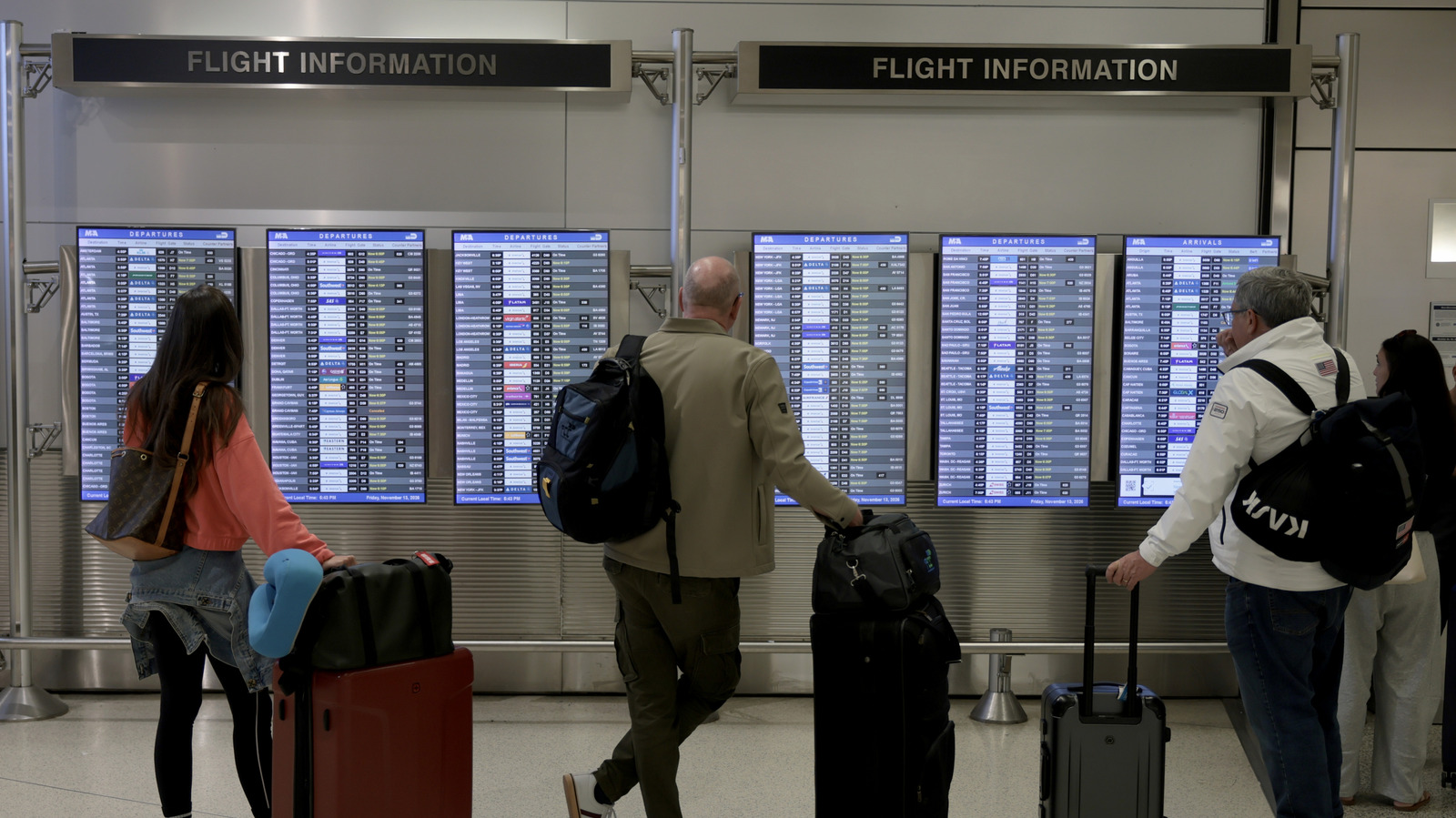
The Federal Aviation Administration lifted a nationwide ground stop late on November 13 after a system failure disrupted air travel across the United States. The stoppage, which began in the afternoon, led to hundreds of flight cancellations and diverted thousands of in-flight aircraft, leaving millions of passengers stranded. The FAA ended the suspension at 8:15 PM Eastern time, according to Engadget.
At a press conference following the resumption, Transportation Secretary Sean Duffy attributed the disruption to the country’s “incredibly old air traffic control system.” Specifically, he said the US continues to rely on TDM telecom, a legacy analog technology used to transmit information between facilities. Duffy explained that routers on this system became “overloaded with data” and began sending inconsistent information by 3:36 PM. Equipment that had already been upgraded was not affected, he noted. He also clarified that the US did not lose all communications and radar, but the FAA chose to ground flights as a precaution.
Duffy warned that the system will “continue to fail” and urged Congress to provide more funding. The FAA has received $12.5 billion for modernization, but Duffy is seeking an additional $30 billion. He questioned how many similar incidents must occur before lawmakers act. The ground stop was only the third this century and the second longest after the 9/11 attacks, underscoring the rarity—but also the severity—of such nationwide halts.
Homeland Security Secretary Markwayne Mullin, who appeared alongside Duffy, said there was no indication of a cyberattack, though his agency is “still looking” and has not ruled it out. He also stated that the incident was unrelated to the prolonged Microsoft outage that affected services for over 24 hours.
The event highlights a broader question for travelers and taxpayers: which infrastructure improvements are meaningful in daily use, and who should bear the cost of upgrading? For now, the FAA’s aging telecom systems remain a single point of failure, and the funding debate continues. While the immediate crisis has passed, the underlying vulnerabilities persist. Passengers may face future disruptions unless the system is modernized, but the path to funding and implementation remains uncertain.
This article is based on reporting by Engadget. The facts are as reported; any interpretation about the need for upgrades is the author’s analysis.
Sources and further reading
See an error? Read our corrections policy or email [email protected].