FaceTime on Android and Windows: what works and what doesn't
Apple's video calling service has allowed browser-based participation since 2021, but cross-platform guests get a reduced set of features. Here's how the invite flow works.
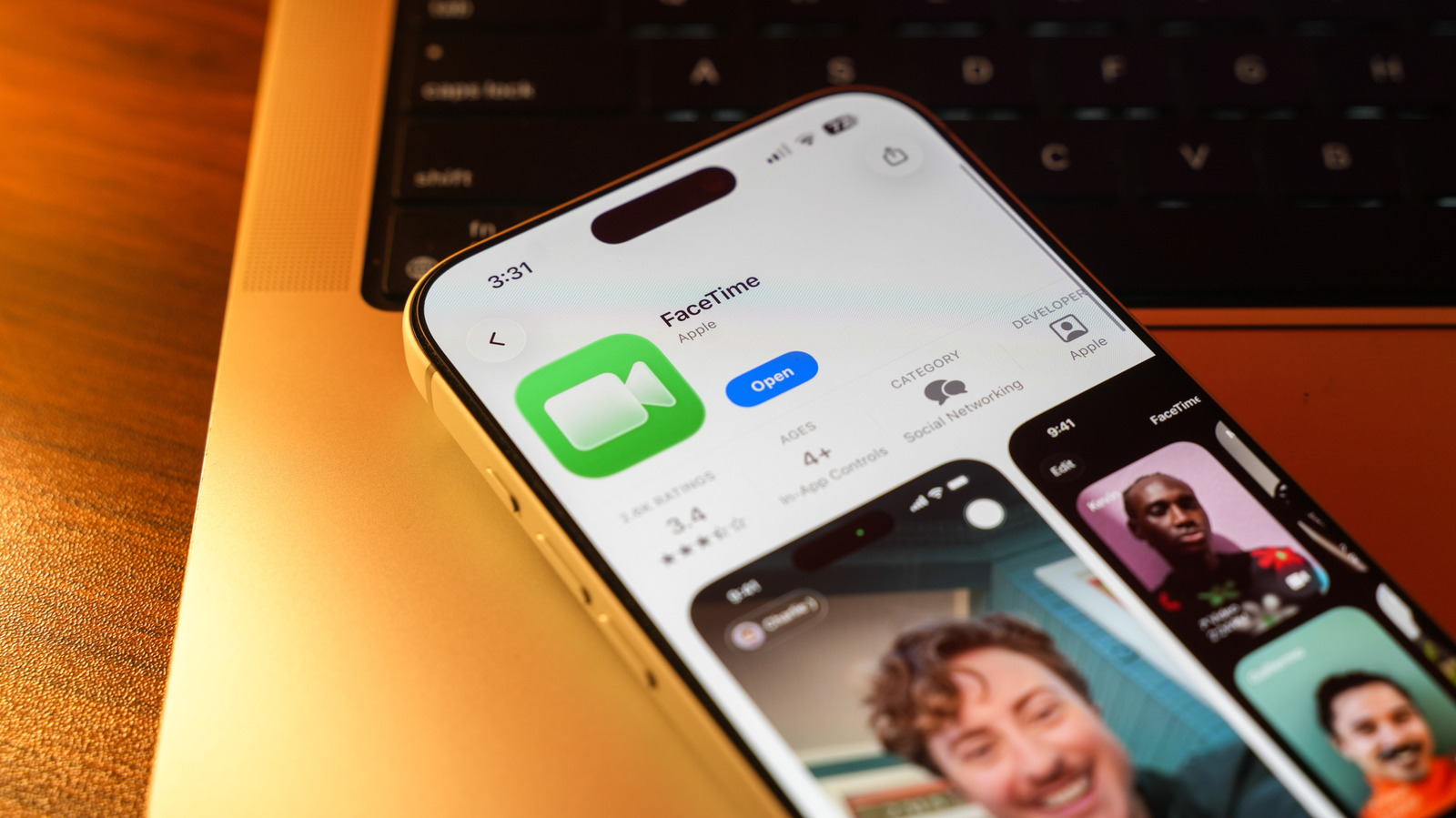
FaceTime has not been an Apple-exclusive service for several years, though many users still assume it is. According to Engadget, the ability for non-Apple devices to join calls arrived in 2021 alongside iOS 15 and macOS Monterey. The reporting notes that while the feature is not new, awareness of it remains limited.
How a non-Apple user joins
The setup is asymmetrical. Someone with an iPhone, iPad, or Mac must initiate the call and send a link to the guest. The person on Android or Windows cannot start a FaceTime call themselves.
From the host side, Engadget describes the process as opening the FaceTime app, selecting New Call, and tapping a green link button in the lower-left corner of the screen. That link can then be delivered through a messaging service such as Messages or WhatsApp.
The recipient opens the link in a browser, enters a name, and grants camera and microphone permissions when prompted. Apple's guidance, as cited in the source, is to use a recent version of Chrome or Edge and to have a strong internet connection. No Apple Account is required on the guest side.
What the guest experience includes
Engadget reports that browser-based participants get core call controls, including full-screen video, microphone muting, and camera flipping to show what is in front of the device. Both audio and video calls are supported through this method.
Two features do not carry over. Screen sharing is unavailable to non-Apple participants, and SharePlay — which lets people consume music, movies, games, and other content together during a call — does not function either. The reporting characterizes the overall experience as functional but less seamless than on Apple hardware.
Context and alternatives
The source frames FaceTime's cross-platform access as one option among many. WhatsApp, Telegram, Zoom, and Google Meet are all cited as established alternatives for video calling. Engadget's assessment is that native applications generally provide a better experience than joining through a web browser, even when setup is straightforward.
The practical takeaway from the reporting is one of expectations rather than capability. A non-Apple user can participate in a FaceTime conversation, but only as an invited guest, and only with a subset of the features available to Apple device users. For groups that regularly rely on video calls across mixed hardware, the source suggests a cross-platform service may be the more consistent choice.
This is a usage explainer rather than a product announcement. No new features, version numbers beyond the 2021 introduction, or performance benchmarks are reported. The claims here rest on Apple's documented recommendations and the outlet's description of the call flow, not on independent testing by this desk. Readers evaluating the approach for regular use should treat the browser experience as adequate for joining a call, not as a full substitute for the native app.