
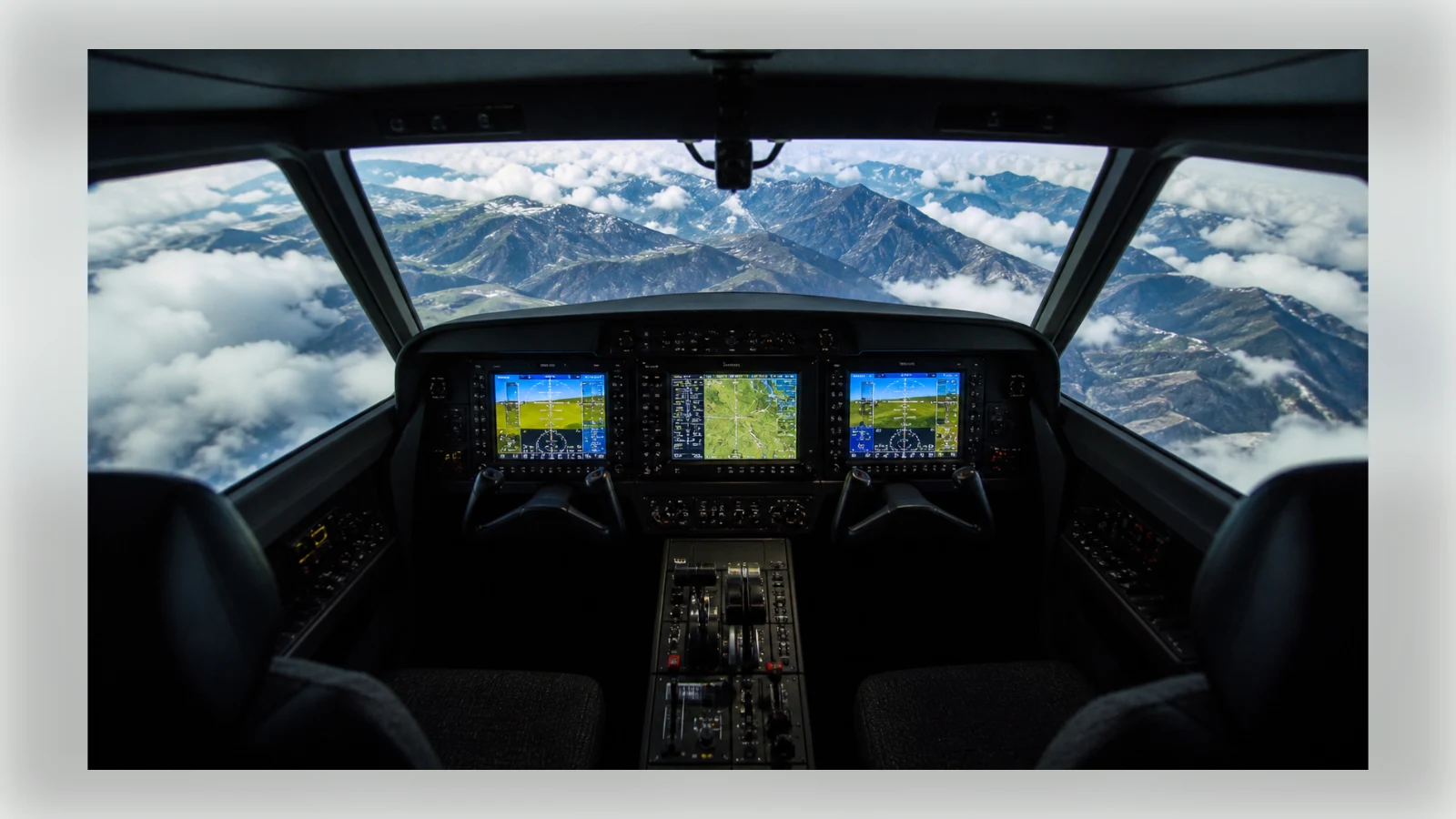
For one TechRadar reviewer, the running joke in his household was whether any new piece of hardware could run Microsoft Flight Simulator. The answer was always no—until he acquired a second-hand Xbox Series X and an Xbox Game Pass Ultimate subscription. After decades of encountering only the flat polygons of 1980s flight sims, launching the 2024 edition was a jolt of revelation.
The visual presentation remains a standout feature even two years post-launch. Lighting effects produce uncannily lifelike sunsets over vast lakes like Titicaca, while dynamic weather and day-night cycles add organic fluidity. But the most striking aspect is the entire planet reconstructed from satellite data. Soaring through the Grand Canyon conveys a breathtaking sense of scale, and navigating the valleys around Machu Picchu reveals painstaking landscape detail.
Urban areas, while less perfectly rendered, deliver an eerie familiarity. The reviewer recounts landing a small prop plane on his own street and staring at his digital front door from just feet away inside his home. Local landmarks like Bath’s Royal Crescent are recognizable, though the generation algorithm amusingly places small shops at the foot of every Georgian townhouse.
Not every flight is a scenic delight. Dense rainforests, such as the Congolese canopy, stretch as an unbroken green expanse for a hundred miles—accurate but monotonous. Still, the reviewer frequently launches the game simply to visit a favorite landmark or explore new airspace.
Beneath the graphical splendor, however, lies a simulation of punishing depth. Over twelve hours of play, the reviewer progressed from what he describes as “hauntingly terrible” to merely “really bad.” The word “stall” has become an auditory ghost he expects to haunt him for decades. Despite earning a virtual commercial license, he estimates his digital passengers have a 40 percent chance of arriving intact.
The fidelity demands constant attention to an overwhelming number of variables. Mismanaging pitch by a few degrees or misjudging throttle can trigger altitude loss or the Cessna 172’s dreaded stall warning. Early humiliations—being shouted at by air traffic control for missing radio clearance or plummeting moments after takeoff—have been replaced by more sophisticated struggles. The reviewer now handles trim at cruising altitude and navigates by dead reckoning, yet landings remain a high-wire act. Descents that look like a perfect glide path suddenly turn too low, requiring last-second throttle bursts. Attempted flares to raise the nose often end with the plane jackknifing nose-first onto the runway at high speed.
Despite the frequent frustration, the simulation exerts a strange pull. Each botched landing, each bounce along the tarmac, fuels a determination to get it right next time. The boundless horizons and the lure of mastery keep the reviewer coming back, turning failure into a compelling loop.
See an error? Read our corrections policy or email [email protected].