Foldable Phones Flourish as Bending Laptops Stall
Foldable smartphones keep multiplying while foldable-screen laptops stay scarce, held back by price, practicality and weak upgrade incentives, an analyst argues.

Foldable phones are now a crowded category in the United States, but their laptop counterparts remain a niche curiosity. Writing for TechRadar, analyst Ross Rubin notes that U.S. buyers can now pick from seven current folding smartphones — one from Google, two from Motorola and three from Samsung, plus Apple's newly introduced iPhone Duo.
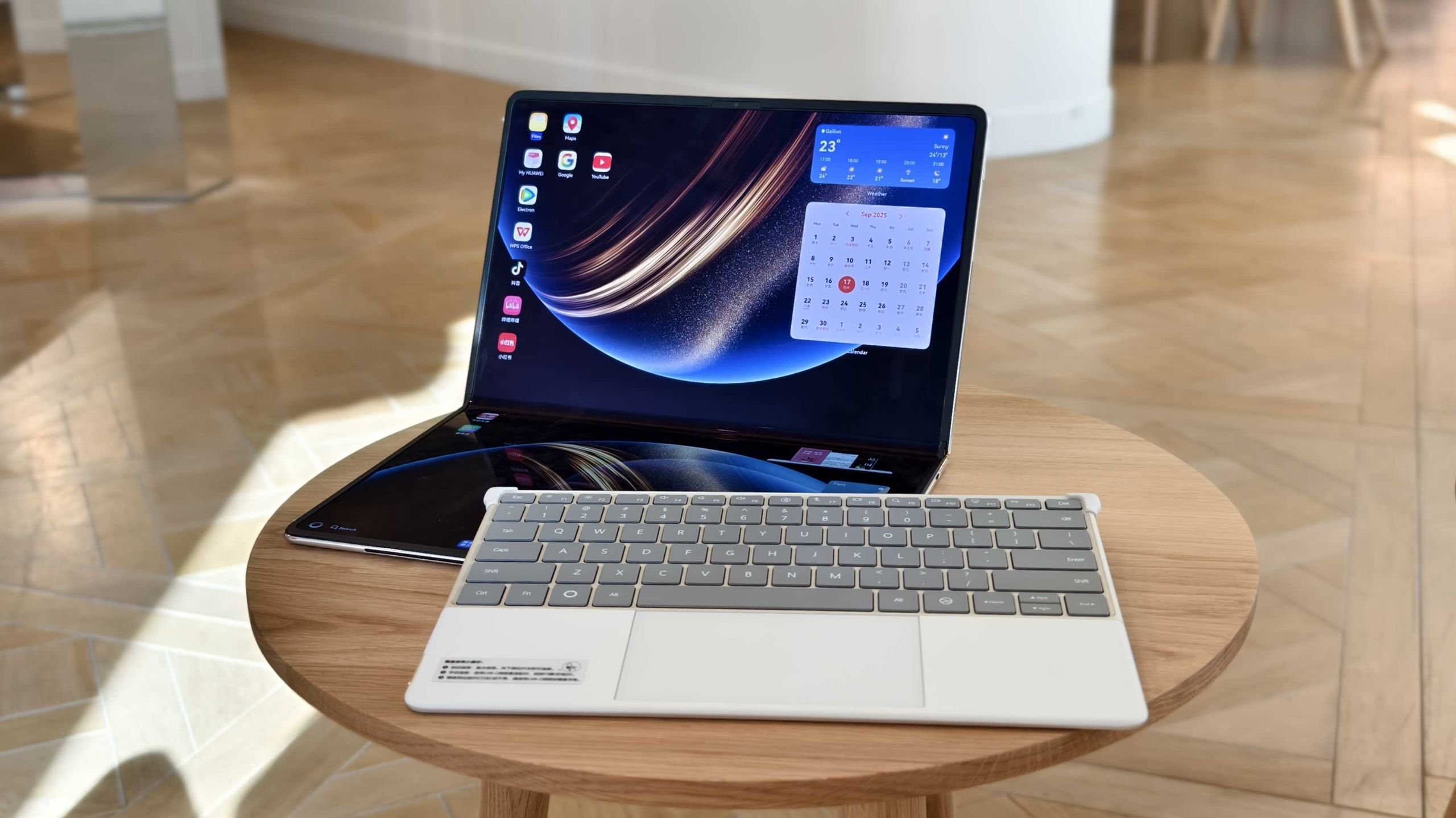
Foldable-screen laptops tell a different story. According to Rubin, only five such machines have ever shipped: one each from Asus, Huawei and HP, and two from Lenovo. The most recent, Lenovo's ThinkPad Fold 16 Gen 2, reached the market in November 2023, more than a year after it was unveiled. Samsung, meanwhile, refreshes its Galaxy Z Fold and Z Flip lines annually.
Rubin attributes the gap to a mix of structural, technical and economic factors rather than any single cause.
Price is the most obvious obstacle. At launch, the Asus Zenbook 17 Fold OLED carried a $3,500 price tag in 2022, and the HP Spectre Foldable PC arrived a year later at $5,000. Rubin calculates that the HP machine cost roughly two and a half times a Galaxy Z Fold Ultra. Buyers at that level expect generous memory and storage — precisely the components whose prices have climbed sharply amid demand from AI data centers. Vendors could absorb some margin on flagship products, Rubin writes, but he suggests successors launched today would need unworkable pricing.
A second problem is the payoff. For phones, folding delivers a tablet-like experience in a pocketable device, a distinction Rubin says Apple customers understand well when comparing the largest iPhones with the iPad mini — a gap sharpened by iPadOS 26's desktop-style interface. On laptops, the shift is less dramatic: roughly a 13-inch Windows experience when closed becomes a 16- or 17-inch one when opened. Rubin concedes some benefits, including taller aspect ratios than most 16-inch laptops and a portrait option, but calls the overall jump modest.
That may also explain why no foldable tablets have come from Samsung or Lenovo, he adds. Most Windows work on folding displays has instead focused on adapting the Peek preview feature to make better use of virtual dual screens — improvements that apply equally to true dual-screen laptops like the Asus Zenbook Duo, which was updated this year.
Ergonomics matter too. Foldable phones use a front display for everyday tasks and only need unfolding for full screen area; even flip-style models are improving what they can do while closed. Foldable laptops demand more fumbling. Rubin points out that while Lenovo's first ThinkPad X1 Fold could stow its Bluetooth keyboard between the folded display halves, the second generation keeps the keyboard separate, protected in a case that doubles as a stand. Packing up means reassembling the bundle — and removing the keyboard first to avoid damaging the device.
By contrast, Rubin notes that the rollable-screen laptop concepts seen from Lenovo make their full display area available without keyboard shuffling. Motorized designs force users to wait for the screen to retract before closing the lid, but he expects most would accept that trade-off.
Rubin concludes that the next generation of bending laptops will need rethinking. So far, the math has favored smartphones: other things being equal, a smaller device gains more relative value from extra screen area on demand.
Sources and further reading
See an error? Read our corrections policy or email [email protected].