
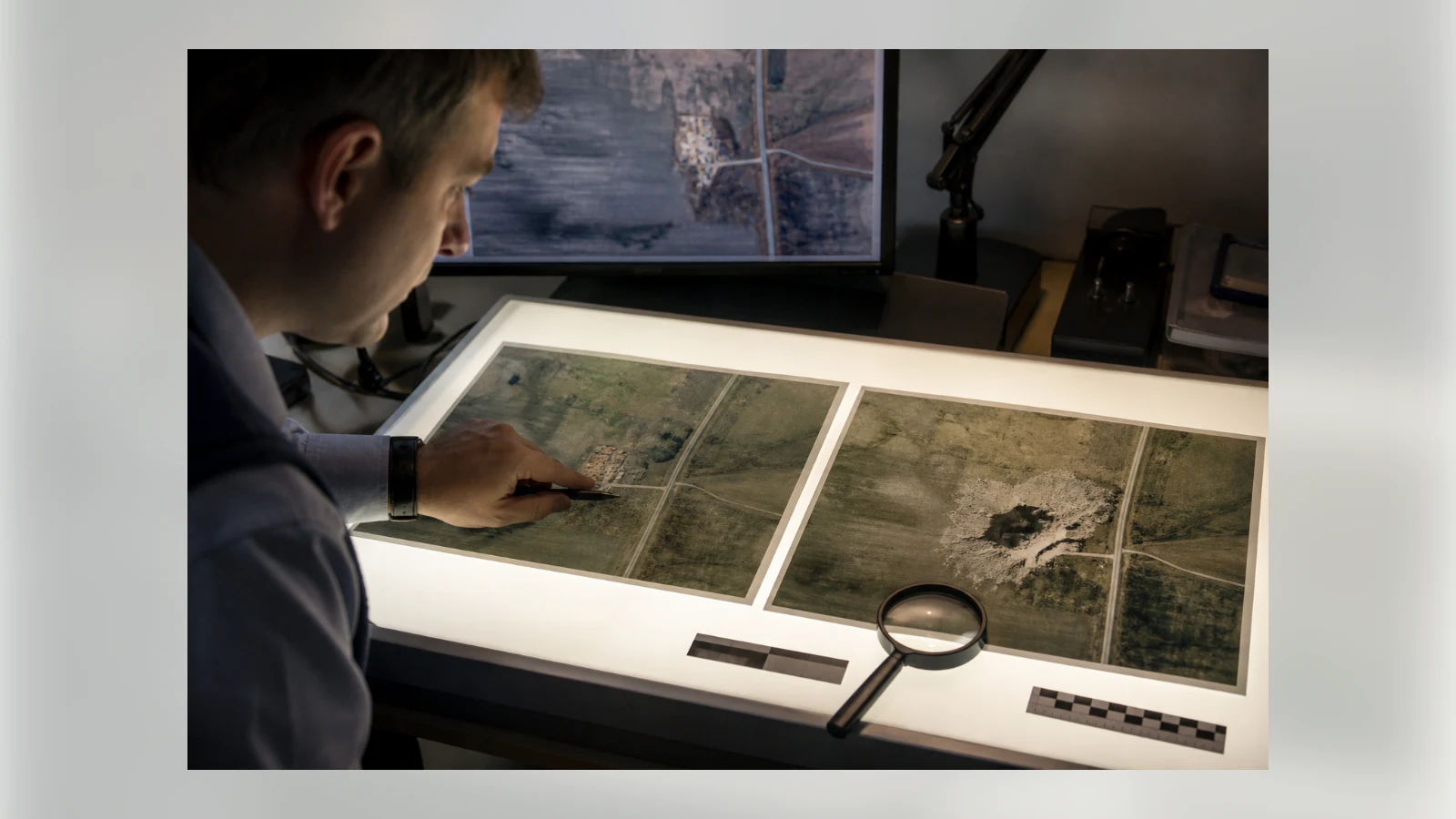
Google has rapidly reversed course on a new generative AI feature in its Google Earth application, scrapping the capability just one day after launch following warnings that it could be weaponized to spread misinformation.
The feature, introduced on Thursday, allowed users to employ Google’s Nano Banana 2 AI image generator to create and superimpose synthetic imagery directly onto Google Earth’s satellite maps. The company pitched it as a way for people to “get creative with geography.”
However, critics immediately flagged the risks. A BBC journalist posted a sarcastic comment on X, saying, “There’s no way that this new AI image generation feature on Google Earth, one of the most reliable sources of visual evidence for journalists and researchers, could possibly be abused to spread misinformation online.” The prompt-based tool placed almost no restrictions on what could be added to real-world map imagery, raising alarms about a flood of geospatial “slop.”
By Friday, Google had pulled the feature. In a statement, the company acknowledged that while some geospatial professionals used it constructively, others shared screenshots of generated imagery that appeared to violate policies. “We’re rolling back this feature in Google Earth while we work on implementing stronger guardrails,” Google said.
The episode underscores the growing challenge of balancing creative AI tools with the need to preserve trust in digital evidence. In an age where AI image generators are widely accessible, even mundane applications can become vectors for disinformation. As the original TechCrunch report noted, the incident is a reminder that most imagery on the web can already be easily manipulated without advanced skills.
Google has not provided a timeline for the feature’s possible return.
See an error? Read our corrections policy or email [email protected].