 TECHNOMALIST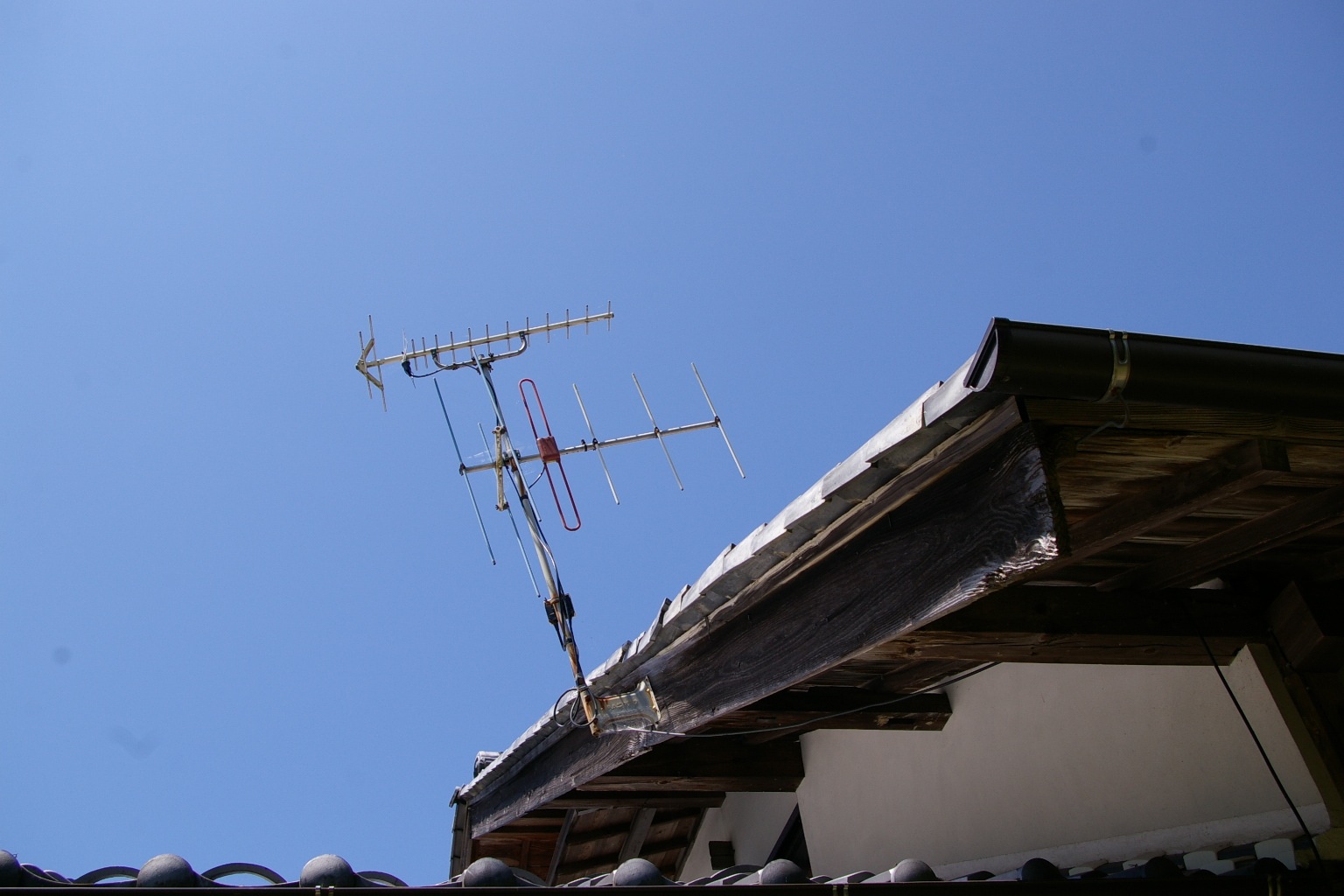
The rising cost of streaming subscriptions has many cord-cutters feeling the pinch, with monthly bills climbing back toward cable levels. But watching local television—news, sports, emergency alerts, and special-interest shows—doesn’t have to drain your wallet. A combination of free over-the-air (OTA) broadcasts, ad-supported streaming platforms, and news aggregators can keep you connected to community programming at no monthly cost.
The Antenna Approach
The most established method is tapping into digital OTA signals. Since March 2007, FCC rules have required all new TVs to include a digital tuner, so an inexpensive antenna is often all you need. Indoor models start around $15, while more powerful outdoor antennas offer longer range for rural users. After installation, point the antenna toward the nearest broadcast tower—tools like Antenna Direct’s transmitter locator can help—and scan for channels on your TV. The FCC’s DTV Reception Map also lists available stations, callsigns, and signal strengths for any address.
Picture quality is a pleasant surprise: most local broadcasts now arrive in HDTV. Roku TVs, for example, even guide beginners through setup with on-screen steps. Multidirectional antennas are a good fit for city dwellers close to multiple towers, trading some range for convenience.
NextGen TV: The Modern Standard
A newer technology called NextGen TV (or ATSC 3.0) merges over-the-air signals with internet protocols. Developed by the Advanced Television Systems Committee, it promises multicast streams, pause/restart functions, better audio, and 4K HDR visuals. Major networks have largely adopted the standard, but consumer uptake remains cautious. Check whether your television is ATSC 3.0 compatible; if not, an adapter—costing up to $200—may be required. The FCC is considering rules to encourage the transition, so preparing now could future-proof your setup.
Free Apps for Smart TVs and Streaming Devices
If installing hardware isn’t appealing, a slew of applications deliver local content without a subscription.
Tubi: Fox’s ad-supported service now offers 260 live channels and 107 local news feeds, spanning markets from Houston to Manchester, NH. It gained notoriety as the platform that streamed the 2025 Super Bowl for free.
The Roku Channel: Over 500 live channels include local news, sports, and niche entertainment. Roku even encourages pairing its app with an antenna for a unified live-TV experience.
PlutoTV: Hundreds of free channels are available, with a dedicated Local News section on the live TV page. Coverage skews toward larger cities, but the app runs on nearly every major device.
Zeam: Positioned as a local-first aggregator, Zeam claims access to roughly 27 million hours of free content annually. It’s available on iOS, Android, Apple TV, Fire TV, Roku, and LG smart TVs. (Parent company Zeam acquired NewsOn from Sinclair in 2024.)
NewsON: Billing itself as the largest collection of free local newscasts, it covers 91% of U.S. communities across 295 stations in 150 markets, pulling feeds from ABC, NBC, CBS, and Fox affiliates. Apps exist for Samsung, Vizio, Roku, Fire TV, Apple TV, and mobile devices.
Haystack News: Offers around 400 global and local channels plus personalized headline roundups.
Others: Stirr and Amazon’s News app on Fire TV also aggregate local coverage.
Network-specific apps like Fox Local and CBS sometimes unlock select shows without a cable login, though live content often requires authentication.
Staying Connected
Whether through a $15 indoor antenna or a smart TV app, local programming remains widely accessible for cord-cutters. The key is mixing tools that fit your geography, budget, and viewing habits. As the article from Engadget notes, slashing a cable bill no longer means losing touch with your community—only a few clicks or a simple installation stand between you and free local TV.
See an error? Read our corrections policy or email [email protected].