How to Use Your iPad as a Second Screen for Mac or Windows
Your iPad can double as a portable display for your Mac or PC, but the best method depends on your setup and feature needs.
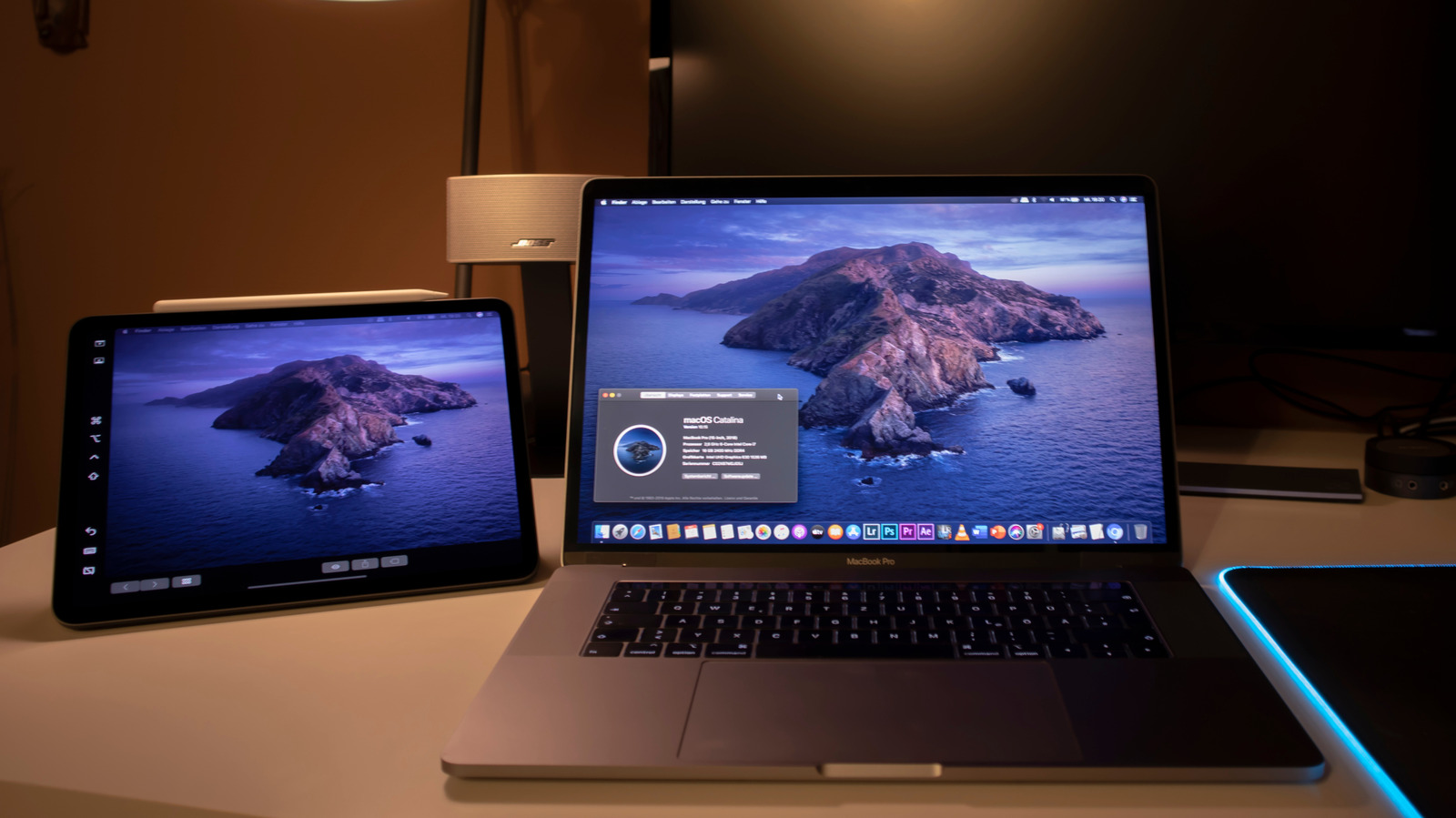
Your iPad can serve as an extra display for your Mac or PC, a handy trick for boosting productivity when you're working remotely. While it wasn't designed as an external monitor, it performs well in that role. Options range from Apple's built-in Sidecar to third-party apps like Duet Display and Luna Display.
Sidecar: The Simplest Mac-Only Solution
Sidecar is Apple's native feature for turning an iPad into a secondary display. It requires a Mac and an iPad signed in to the same iCloud account. To activate it, open Control Center on your Mac, click Screen Mirroring, and select your iPad. The iPad then functions as an external display with full resolution and adjustable placement. You can rearrange its position in System Settings under Displays.
Sidecar is free and works seamlessly for most users. However, it's limited to Macs, so Windows users need alternatives.
Universal Control: One Keyboard and Mouse for Both
Universal Control is another Apple feature that lets you use one keyboard and mouse across a Mac and iPad. Instead of turning the iPad into a display, it lets you move the cursor between devices, type on either, and drag and drop files. Requirements include being signed in to the same iCloud account with two-factor authentication enabled. It works with most Macs and iPads from recent years. If it doesn't work automatically, you can enable it manually in Screen Mirroring settings.
Windows and Cross-Platform Options
For Windows users, Duet Display is a popular app that replicates Sidecar's functionality. It also works on Mac, useful if your devices aren't on the same Apple ID. Unlike Sidecar, Duet Display requires a paid license and installation on both devices. Once set up, it offers additional controls beyond Apple's solution.
Luna Display, available for both Mac and Windows, uses a companion dongle that plugs into your computer to handle wireless transmission. It costs $79 for the dongle with no subscription. A standout feature is "headless mode," which lets you use a Mac mini with an iPad as its only display—no traditional monitor needed.
What You Can Do
All three solutions—Sidecar, Duet Display, and Luna Display—allow you to control macOS with the iPad's touchscreen. You can also use an Apple Pencil for navigation and drawing, effectively turning the iPad into a graphics tablet. Your Mac's mouse and keyboard remain functional. The experience is generally smooth, though occasional glitches occur. A wired connection can improve reliability, and accessories like a stand can enhance usability.
Who Should Consider This?
If you're a Mac user with an iPad, Sidecar is the obvious first choice—it's free and built-in. Universal Control is ideal if you prefer a unified input experience rather than a separate display. Windows users or those needing more features should look at Duet Display. If you dislike subscriptions and want a reliable wireless connection, Luna Display's one-time purchase might be appealing. Ultimately, the best option depends on your devices and workflow.
This guide is based on Engadget's original reporting.