iPhone 18 Pro vs Pro Max: What Actually Changes in Daily Use
Apple's new iPhone 18 Pro and Pro Max share nearly identical hardware, leaving screen size and battery life as the main decisions.

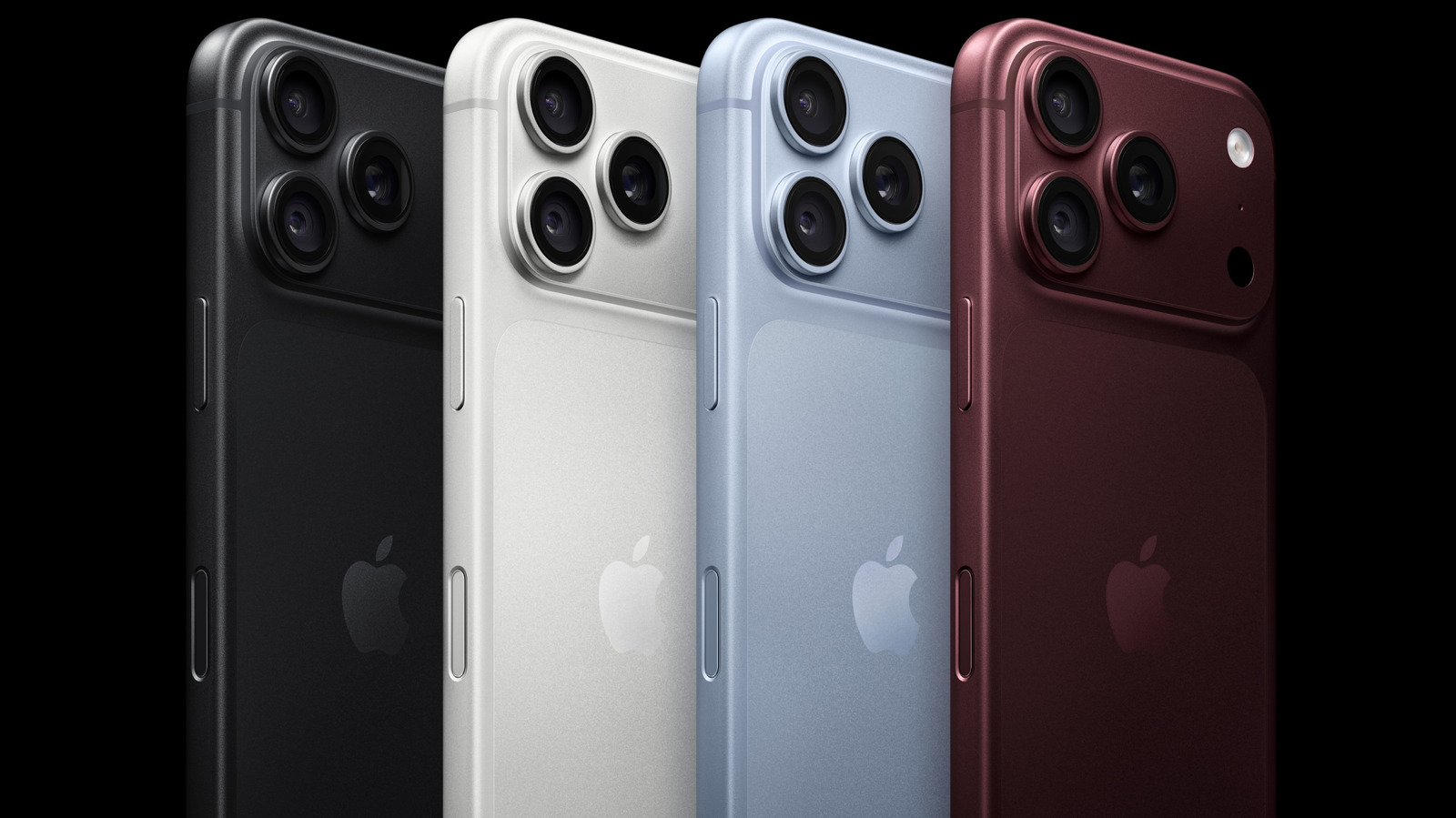
Apple's iPhone 18 Pro and iPhone 18 Pro Max arrive with a familiar split: two sizes, similar capabilities, and a $100 gap. According to Engadget's coverage of the "Surprise and Shine" event, Apple introduced the pair alongside its first foldable, the iPhone Duo. The Pro models share the A20 Pro chip, which Apple describes as its most powerful and efficient iPhone chip to date, and both carry 48MP sensors with optical zoom and variable aperture.
The clearest difference is the display. The 18 Pro uses a 6.3-inch Super Retina XDR panel while the Pro Max steps up to 6.9 inches. The Pro Max also carries Apple's claim of the largest battery-life increase ever on iPhone. Apple rates the 18 Pro for up to 36 hours of video playback, compared with 33 hours for the 17 Pro. The Pro Max is rated for up to 45 hours, six more than the 17 Pro Max. Both figures are Apple's own estimates and have not been independently verified here.
Charging details matter. Apple says the 18 Pro can reach 50 percent in 15 minutes with a 60W-capable USB-C cable, and 50 percent in 30 minutes with certified MagSafe wireless charging. The Pro Max gains about seven hours of playback from five minutes of wired charging, per Apple. These outcomes depend on using the specified chargers and cables.
Other shared traits include a quartet of color options: Silver, Black, Glacier, and Burgundy. Engadget notes that Burgundy replaces the previous generation's Cosmic Orange finish. Both phones are otherwise separated mainly by size, battery, and price.
For daily use, the practical question is not which phone is faster but whether the larger screen and longer endurance justify the extra $100 and added bulk. The 18 Pro's battery improvement over the 17 Pro is meaningful for heavy users, and its fast-charging claims could reduce time tethered to a wall. The Pro Max pushes endurance further, which may appeal to travelers or anyone who regularly streams video away from power. Neither phone offers a camera or chip advantage over the other, so the decision comes down to size and stamina rather than capability.
The iPhone Duo, despite its foldable design, is rated for up to 44 hours of video playback on the outer screen, which Engadget points out falls short of the 18 Pro Max. That comparison is notable because it places battery life ahead of form factor for buyers weighing the new foldable against the largest Pro model.
For those on older iPhones, the 18 Pro line represents a more substantial battery jump than the previous generation did. But the lack of differentiation between the two Pro models means most buyers can choose based on physical preference and battery needs rather than missing out on a key feature. Engadget's takeaway is that little else separates the two new Pro smartphones beyond screen size, batteries, and the $100 price difference. That is not necessarily a bad thing, but it does make the upgrade decision simpler.
Sources and further reading
See an error? Read our corrections policy or email [email protected].