iPhone Duo's Nano-Texture Screen May Hide Crease, But Only Time Will Tell
Apple's first foldable uses a matte coating to reduce the visibility of its screen crease, but the real test—cumulative wear—remains months or years away.

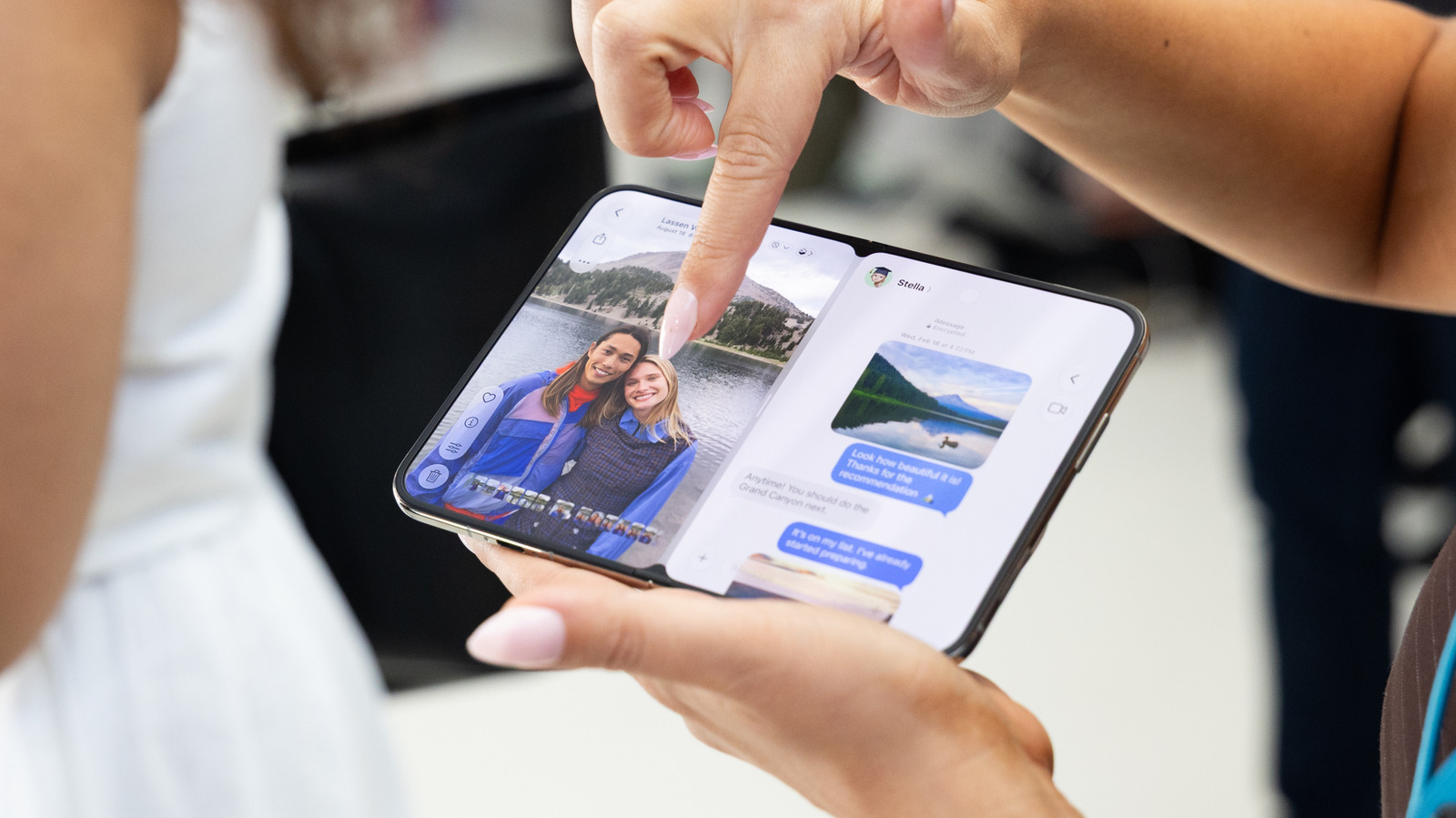
Apple's first foldable phone, the iPhone Duo, was announced earlier this month and is set to hit stores next month. Early hands-on impressions have focused on one of its most anticipated features: a nano-texture display that Apple says makes the screen crease much less visible. According to Engadget, the matte coating significantly reduces light reflection, and some who have seen the device in person report the crease is barely noticeable. Others, however, say it remains visible and could worsen over time.
In a hands-on report, Engadget found the crease is "easier to feel with your finger than observe with your eyes." That suggests the nano-texture approach may improve the visual experience, at least initially. But it does not mean Apple has solved the crease problem outright.
The core challenge is cumulative damage. Foldable screens naturally develop more pronounced creases as they are repeatedly folded and unfolded. Samsung's Galaxy Z Fold 8, for example, ships unfolded and looks flat at first, but the crease becomes more noticeable with use. Over months or years—and thousands of folds—the wear can become significant. Photos of damaged foldable screens are not hard to find online.
Apple executives have publicly expressed confidence that the iPhone Duo will be more durable than its competitors. But those claims cannot be verified until the device reaches a large number of consumers and endures real-world use. Even the most thorough hands-on sessions are just a snapshot of a crease that has not had time to develop. Reviews, including Engadget's, will only speak to what the phone looks like fresh out of the box. The real test will come after months of daily folding.
Durability testing by independent creators may offer early insights, but those experiments are still limited compared to the gradual wear of everyday use. For now, the nano-texture screen appears promising, and it is reasonable to expect competitors to follow suit. Whether it truly mitigates the crease over the long term remains an open question—one that only time and widespread use can answer.
For consumers considering an upgrade, the iPhone Duo's initial crease visibility may be less important than its long-term resilience. Until that is proven, the usual advice applies: weigh the current benefits against the unknown risks of a first-generation foldable.
Sources and further reading
See an error? Read our corrections policy or email [email protected].