Legacy Hardware Revival: Practical Uses for Discarded Mini PCs
With component costs rising, repurposing legacy mini PCs offers a cost-effective strategy for retro gaming, media hosting, and smart home automation.

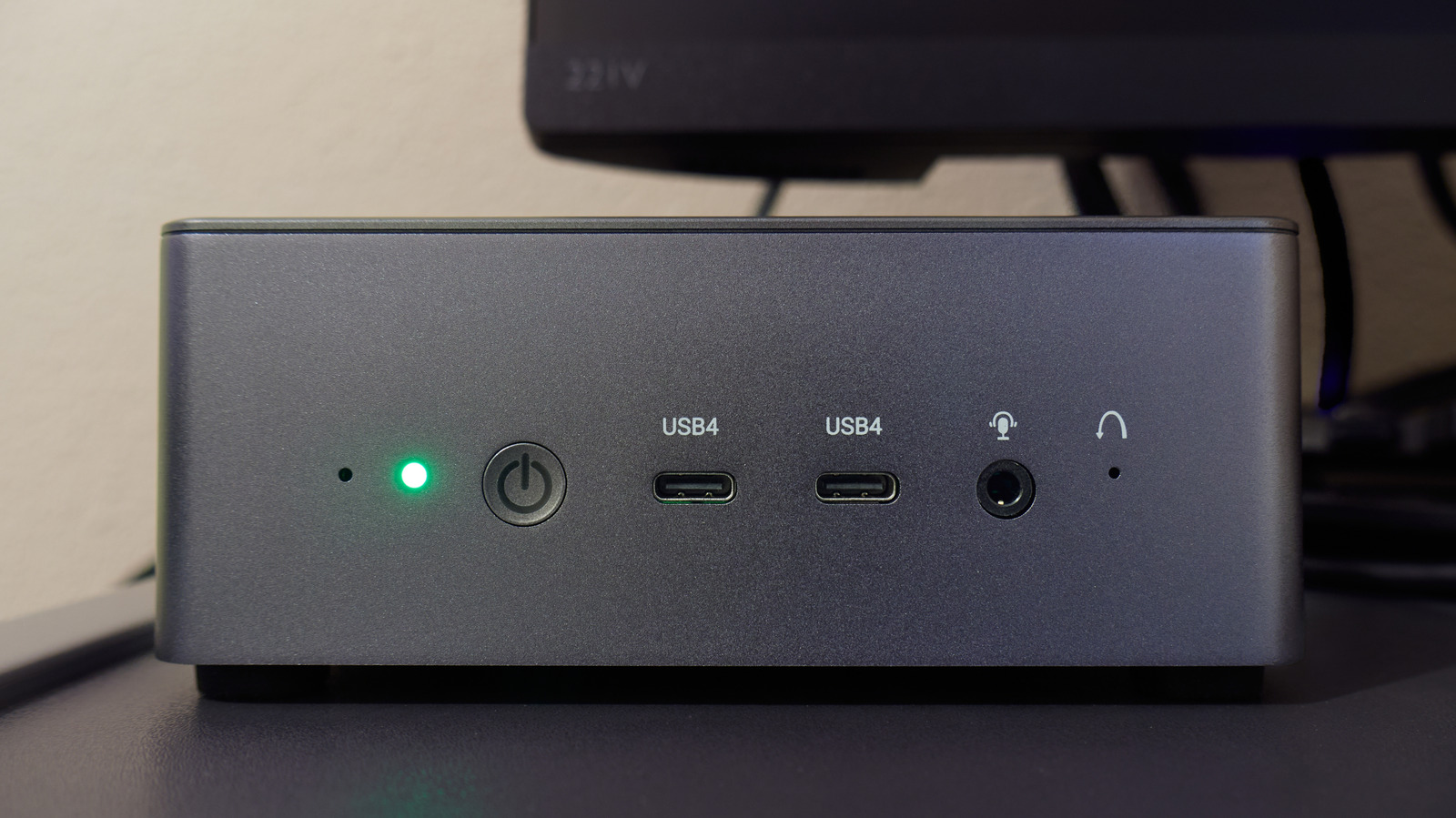
The economic realities of modern PC building have shifted focus from new builds to legacy hardware reuse. Given recent shortages in RAM and component pricing, utilizing an existing mini PC presents a viable alternative.
Retro Gaming: Batocera is a Linux-based operating system that can transform an old mini PC into a dedicated console. The installation involves flashing an image to a USB drive and configuring boot settings. The user interface is console-focused, allowing navigation with a controller rather than a keyboard. Performance varies, and while 8-bit and 16-bit titles are accessible, high-end properties may require significant hardware investment notPresent in legacy processors.
Media Centers: Kodi provides a interface for local playback of movies and music. For broader accessibility, Plex and Jellyfin allow streaming to phones and tablets via a home network. Power-efficient hardware limits the ability to transcode 4K content on-the-fly, which can cause processor strain. Plex requires a premium subscription for remote viewing features, whereas Jellyfin offers the same functionality without rental fees, albeit requiring manual setup.
Network Attached Storage: The device can function as a NAS using software like OpenMediaVault. This setup facilitates sharing of photos and documents across a local network. Users must assess drive costs and maintenance requirements, noting that physical storage is subject to failure risks not associated with cloud services.
Smart Home Devices: Touchscreens paired with applications allow the mini PC to serve as a digital jukebox. Software like Jukiora and TouchGroove utilize QR codes to let guests queue songs without accessing personal phones. Home security can also be managed locally using compatible IP cameras. Tools like Frigate optionally use AI to detect people or vehicles in the video feed, ensuring footage remains private and on-site, though this requires hardware capable of supporting AVX and AVX2 instructions.
AI Capabilities: Local language models can be run via Ollama for offline coding and research. Connecting to cloud-based assistants like Claude Code provides remote file analysis capabilities, though performance is determined by the specific hardware specifications and available RAM.
Sources and further reading
See an error? Read our corrections policy or email [email protected].