 TECHNOMALIST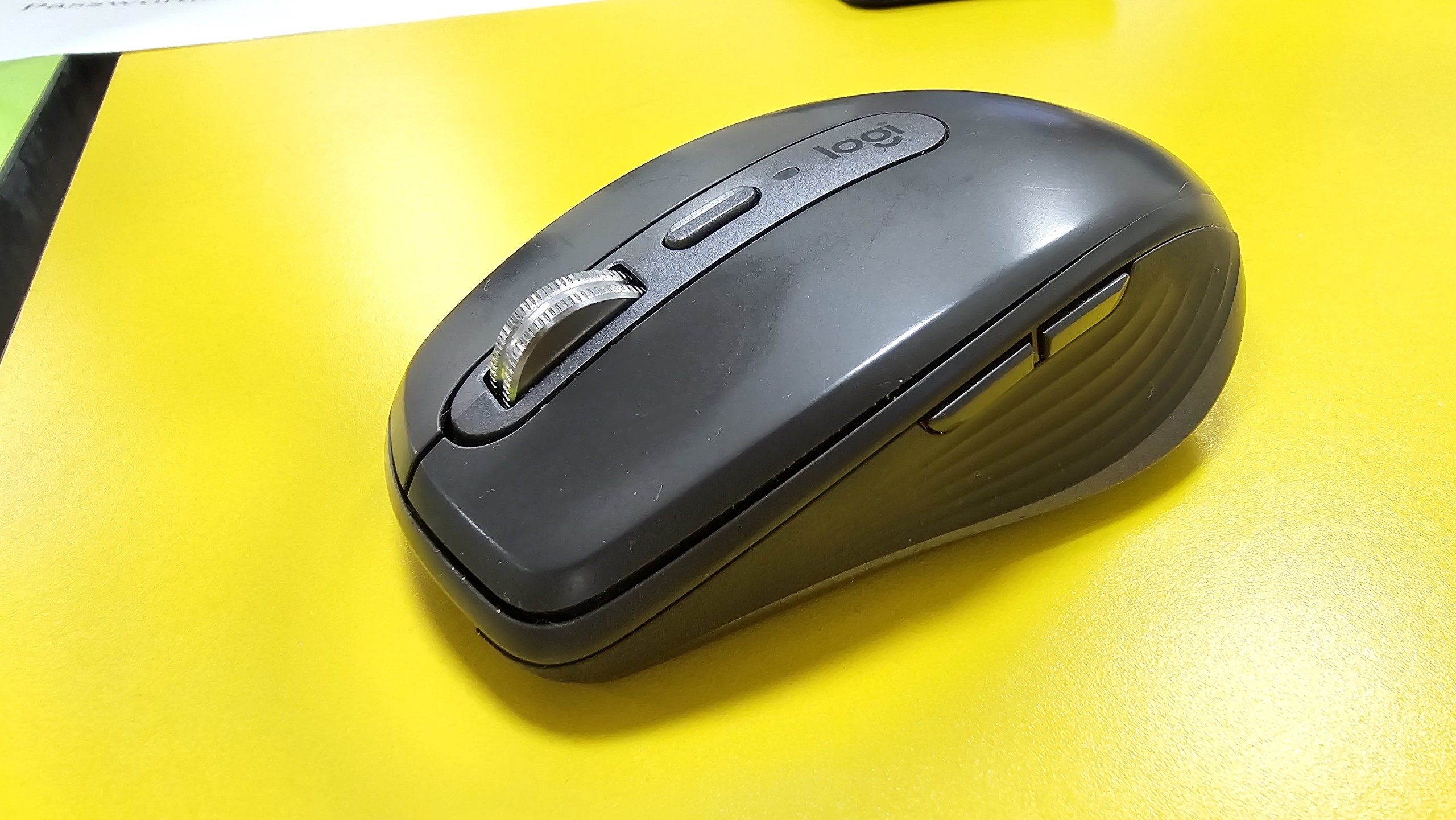
Starting Feb. 2027, new portable devices sold in the European Union must include user-replaceable batteries. The rule has already prompted design tweaks: Nintendo plans a Europe-only Switch 2 variant with a removable battery pack, while Logitech will ship a different version of its wireless mice to the region, the company’s gaming chief told The Verge.
Robin Piispanen, Logitech’s newly appointed head of gaming, said that mice sold in Europe will house a rigid “hard-pack” battery and come with certified replacements. Models destined for the rest of the world will stick with the current lightweight soft-pack pouch cells. The split stems from what Piispanen sees as an unavoidable tradeoff between safety, design, and consumer behavior.
Logitech prefers soft-pack lithium-polymer batteries because they are thin and light, connected by a delicate cable—ideal for a peripheral few users ever open. But that design is not safe for untrained hands. Piispanen argued that the company cannot in good conscience hand users a soft-pack battery to swap out themselves due to the fire risk from accidental punctures. Hard-pack cells add weight, but reduce that risk and meet the EU’s replaceability requirement.
Despite the regulation, Logitech will not sell the certified replacement battery kits in other markets like the United States. The company’s projections suggest minimal demand. Piispanen questioned how many people would open a mouse to swap a battery, contrasting it with more expensive devices like phones where replacement makes more sense. For peripherals costing $50 to $100, consumers usually replace the whole product when battery life drops, he said.
That philosophy collides with the right-to-repair ethos The Verge raised during the interview. If repairs were easier, might behavior shift? Piispanen says he supports right-to-repair principles, yet acknowledged Logitech falls short on common wear-and-tear parts. For instance, the company doesn’t sell replacement rubber grip pads or mouse switches for its popular G502 Lightspeed—components the reporter had personally worn down. According to Piispanen, replacing a switch requires opening the entire device and often causes breakage; changing grips involves fiddly adhesive work. He expressed reluctance to sell parts that a customer might ruin, leading to disappointment.
Still, Piispanen signaled a willingness to listen. He told the reporter he would look into which wear parts Logitech might be missing and emphasized that the bigger goal is designing mice that last longer in the first place. “The mouse you’re talking about, that was seven years old, and I salute you for really wanting to keep on using it,” he added.
The exchange highlights a fault line in consumer electronics: manufacturers weigh repairability against the risk of a poor user experience, even as regulators push for longer-lasting devices. For now, European shoppers will get a slightly heavier, more fixable mouse—while the rest of the world waits to see if Logitech’s calculations change.
See an error? Read our corrections policy or email [email protected].