MagSafe vs USB-C: Choosing the Right MacBook Charger
MagSafe offers safety and speed, USB-C provides versatility. We break down when each makes sense.
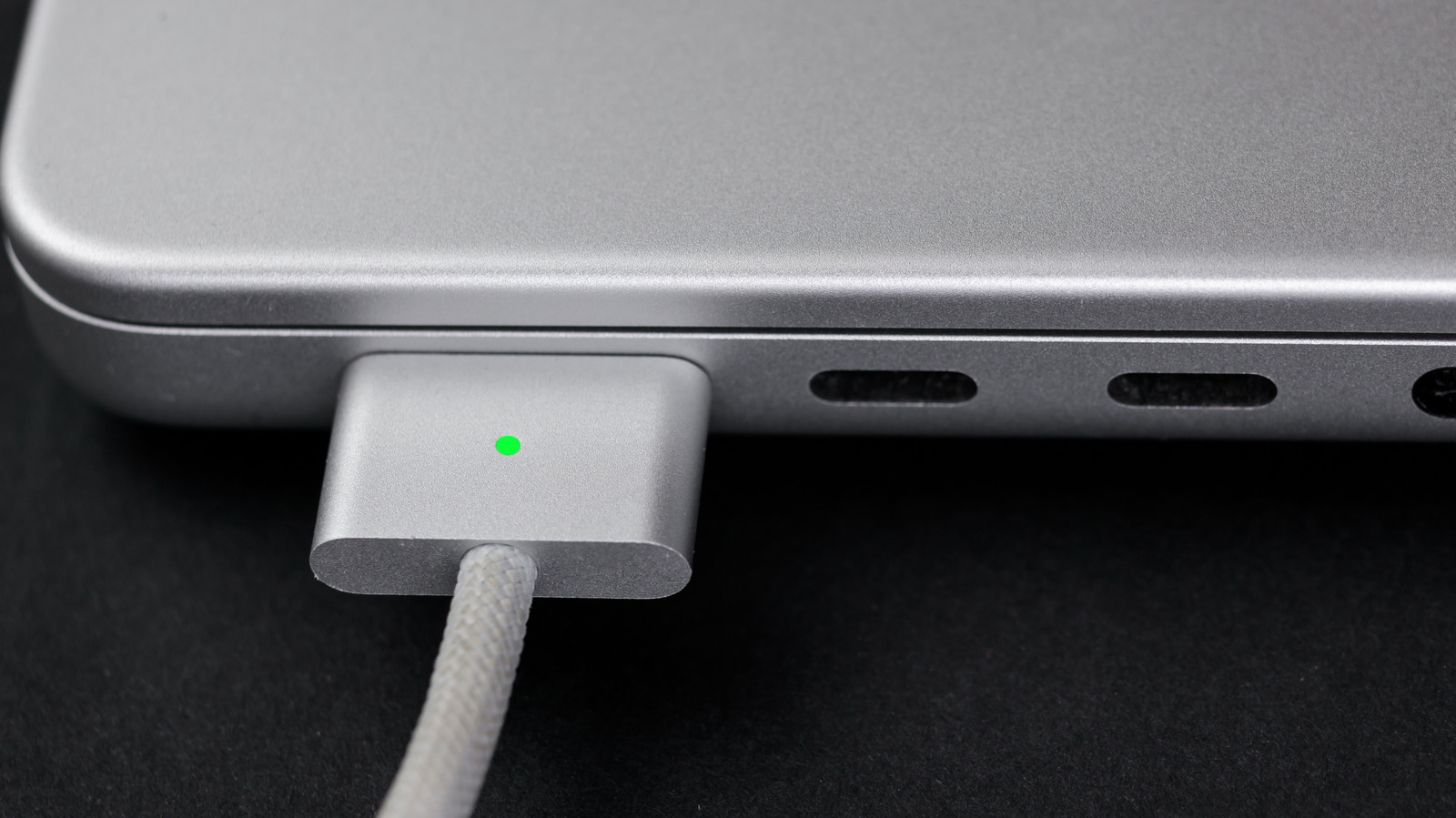
When it comes to charging a modern MacBook, you have two main options: Apple’s MagSafe connector and the ubiquitous USB-C. Each has strengths and trade-offs, and the best choice depends on how you use your laptop.
MagSafe is the magnetic charging system Apple introduced with recent MacBooks. It snaps into place and disconnects easily if the cable is yanked—say, when someone trips over it. That breakaway design is the headline benefit: your Mac stays put instead of crashing to the floor. The current version, MagSafe 3, is not compatible with earlier iterations, and it’s distinct from the MagSafe found on iPhones, which uses the Qi wireless standard. The MacBook version remains a proprietary physical connector.
Beyond safety, MagSafe delivers more power. On supported machines—2021 MacBook Pro and 2022 MacBook Air or later—it can charge at up to 140W when paired with the appropriate power adapter. Apple sells a 99 adapter that enables fast charging, and the company claims you can reach a 50 percent charge in half an hour. Those speeds make MagSafe a compelling option for quick top-ups.
USB-C, by contrast, is an industry standard. The same port that charges your Mac can also handle data and connect accessories, which simplifies travel: one cable can power a Mac, an iPhone, an iPad, and more. However, USB-C charging speeds vary widely. Most cables top out at 60W, though specialized cables can handle 100W or even 240W. Apple sells a 240W USB-C cable, and MacBook Pros released after November 2023 can charge at up to 240W over USB-C—faster than MagSafe’s 140W ceiling, provided you have the right cable and adapter.
The trade-off with USB-C is physical risk. Because the connector doesn’t detach magnetically, a snagged cable can drag your laptop off a table. MagSafe avoids that scenario entirely. On the other hand, USB-C keeps your MagSafe port free, but MagSafe also preserves your USB-C ports for other uses—a point in its favor if you’re often plugging in peripherals.
In daily use, the decision often comes down to priorities. If safety and consistent fast charging matter most, MagSafe is the simpler, more foolproof route. If you value having one cable for everything and occasionally need the absolute fastest charge available on newer MacBook Pros, USB-C is the better fit. Many users find that keeping both cables on hand offers the most flexibility, letting them switch based on the situation.
This analysis is based on reporting by Engadget.