Market analysis: A guide to the best digital cameras based on field testing
Resuming coverage of current offerings, this editorial examines the top-tier digital systems, contrasting Sony's speed-focused flagship with Canon's accessible entry-level options.

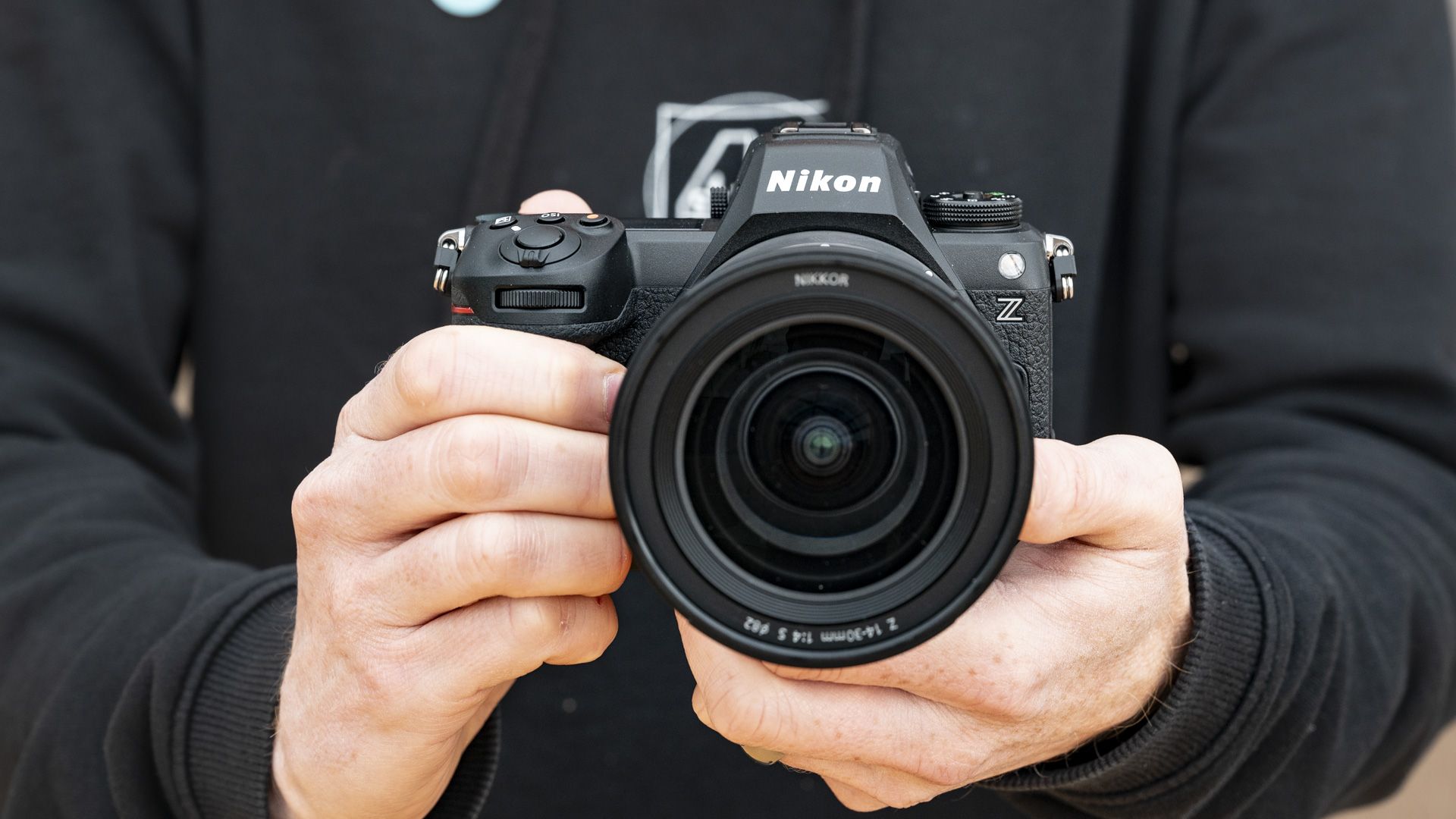
The competitive landscape of digital imaging is defined by a variety of specialized tools, a dynamic that TechRadar's editorial team seeks to clarify through extensive field testing. The review process evaluates contenders beyond raw megapixel counts, placing significant weight on practical factors such as handling ergonomics, battery longevity, and the reliability of autofocus systems. The goal is to distinguish between theoretical specifications and actual day-to-day utility.
At the upper end of the enthusiast market, the Sony A7 V is presented as the premier all-rounder. It features a partially stacked sensor with a 33-megapixel resolution and supports continuous shooting at 30 frames per second. The camera incorporates an advanced processing unit designed to enhance autofocus performance. While the unit is noted for its snappy handling and exceptionally long battery life, the review contrasts this with video output limitations, restricting the unit to 4K recording.
For the consumer entering the market, the Canon EOS R10 is highlighted as a versatile entry-level tool. Its 15 frames-per-second burst mode and subject-tracking autofocus are identified as key assets for beginners. Editors note the camera’s lightweight, deep-grip design as a positive for handheld use. However, the analysis identifies shortcomings, including a lack of in-body image stabilization and a restricted ecosystem of native RF-mount lenses.
Specialized requirements are addressed through regional picks for distinct photographic styles. The Fujifilm X100VI is reviewed as the leading premium compact, noting the strategic inclusion of in-body stabilization alongside a 40-megapixel sensor. In the wildlife and action sector, the OM System OM-1 II is commended for its rugged build and computational photography features, despite its modest 20-megapixel resolution. Conversely, the Olympus OM-D E-M10 Mark IV is presented as a cost-effective travel solution, praised for its five-axis stabilization and compact form factor, though lacking in advanced phase-detection capabilities.
Ultimately, the editorial synthesis of these devices suggests that the optimal choice depends entirely on the user’s workflow, be it professional sports photography, travel portraiture, or studio stills.
Sources and further reading
See an error? Read our corrections policy or email [email protected].