NFC Tags Explained: What They Are, How They Work, and Why They Can't Track You
NFC tags are tiny, battery-free chips that enable quick, short-range interactions. They power hotel keys, tap-to-pay, and smart-home automations, but they aren't tracking devices like AirTags.

If you've recently used a hotel room key, tapped your phone to pay, or connected to a restaurant's Wi-Fi with a tap, you've encountered NFC. But what exactly is an NFC tag, and how does it differ from other wireless technologies?
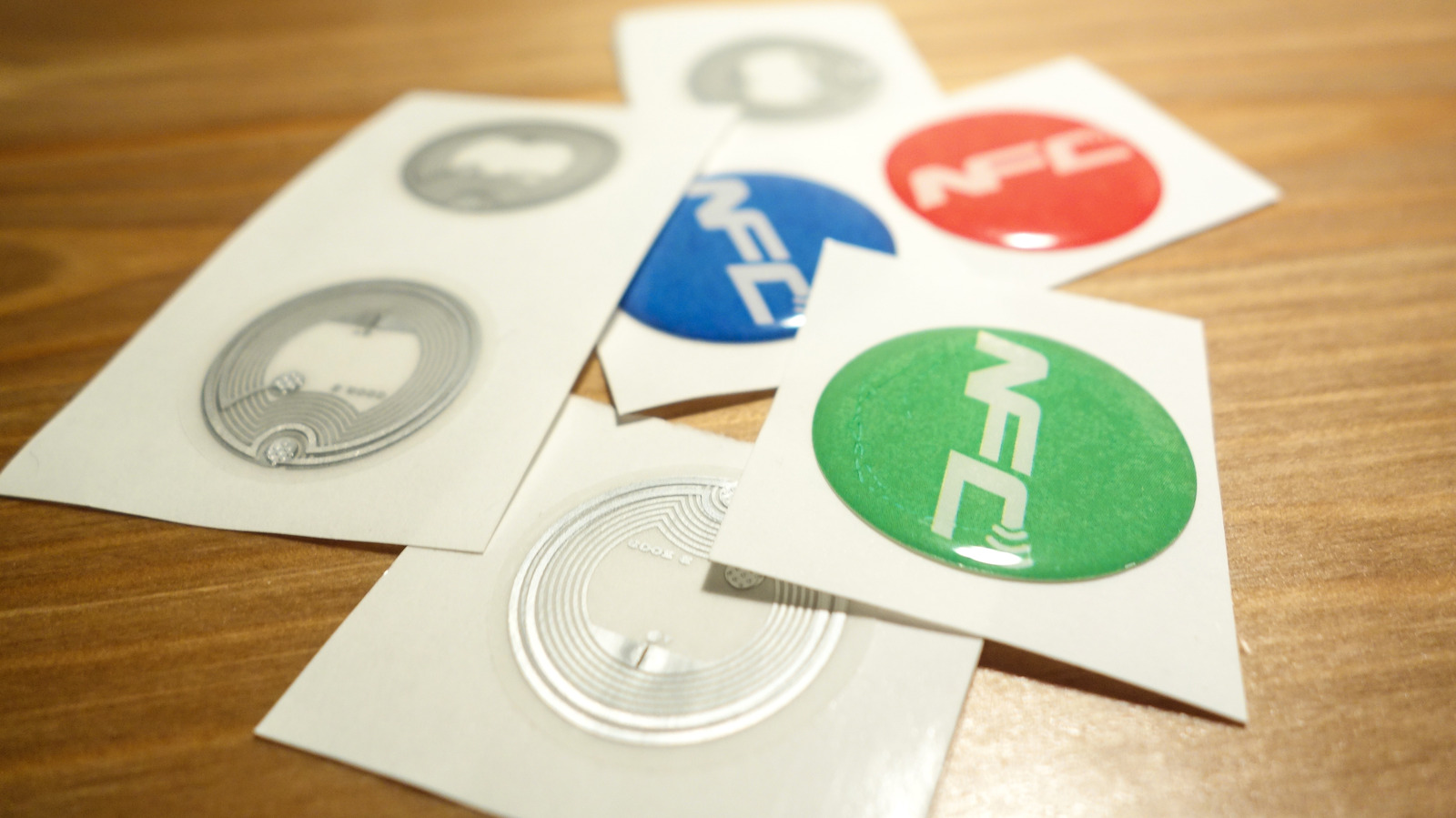
NFC, or near-field communication, is a wireless radio standard that allows devices to exchange information over very short distances—typically less than an inch. It's similar to RFID but operates at a much shorter range, which makes it more secure for transactions and access control. According to Engadget, NFC tags are now so inexpensive that you can buy dozens of stickers for just a few dollars.
An NFC tag is a simple chip with a small amount of memory and an antenna. It has no battery; instead, it draws power from the reader through magnetic induction, the same principle used in wireless charging. When the tag comes close to a reader, the reader energizes it and reads the stored data almost instantly.
Because they are cheap and easy to place, NFC tags are used in a variety of everyday situations. Smart-home enthusiasts use them as physical switches: tapping your phone on a sticker by the door can trigger a "leaving home" routine that turns off lights, closes blinds, and arms the alarm. Restaurants place them on tables so customers can connect to Wi-Fi or view a menu with a tap. They also appear on posters, business cards, ski lift passes, and elevators, where a tap can open a webpage or launch an app.
In other cases, your phone acts as the NFC tag. For tap-to-pay, transit gates, and hotel room keys, the phone stores the necessary information and transmits it when held near a reader. Engadget notes that Apple only opened the iPhone's NFC chip to third-party developers with iOS 18.1, allowing apps beyond Apple Wallet to use this capability.
A common misconception is that NFC tags are just thin versions of Apple AirTags and can track your location. That's not true. An AirTag has its own battery and emits a Bluetooth signal that nearby Apple devices can detect and report back to the owner. An NFC tag has no battery, cannot send a signal on its own, and only works when it is nearly touching a reader. As Engadget puts it, a sticker slipped into your luggage or onto your jacket cannot tell anyone where you are.
Many people wonder whether they should turn NFC off on their phones. Most leave it on because it consumes very little power and only activates at very close range. It also won't leak your card details to someone brushing past your pocket; both Apple and Android phones require you to unlock your phone to activate NFC, with the exception of Express Mode for transit cards, which intentionally skips the check to speed up gate entry.
If you still want to disable NFC, the process varies by device. On Android, you can usually switch it off in Settings under Connections or Connected devices, depending on the manufacturer. On an iPhone XS or newer, NFC is always on and cannot be turned off.
While NFC tags offer convenience, they are not without potential risks. Since they can be programmed to open URLs or execute commands, there is a possibility of malicious tags directing users to phishing sites or triggering unwanted actions. However, the short range and the need for physical proximity limit the scope of such attacks. As with any technology, it's wise to be cautious when tapping unknown tags.
In summary, NFC tags are small, inexpensive, and versatile tools that enable quick interactions without the need for batteries or complex setup. They are not tracking devices, and their short range makes them inherently secure for many applications. Whether you're automating your home or just tapping to pay, NFC is likely already part of your daily life.
Sources and further reading
See an error? Read our corrections policy or email [email protected].