 TECHNOMALIST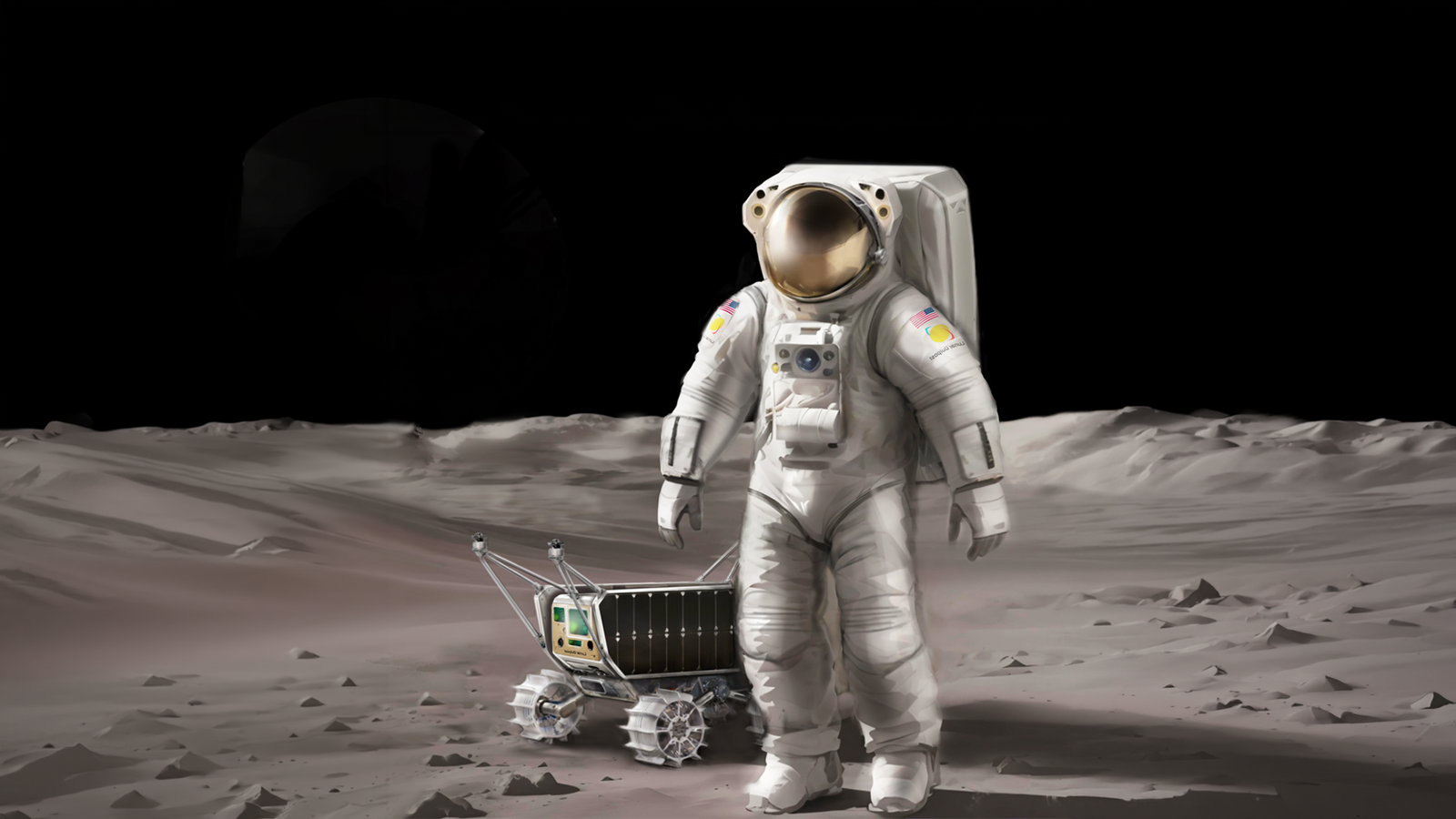
Nvidia is supplying its Jetson edge AI platform and CUDA-X libraries to Lunar Outpost, a company focused on space infrastructure, to power computing on future Moon missions. The collaboration will equip rovers with onboard AI for tasks such as terrain mapping, autonomous navigation, and scientific data processing.
The first deployment is expected in the second half of 2026, when Lunar Outpost’s Lunar Voyage 2 mission launches aboard a SpaceX Falcon 9 to study Reiner Gamma, a distinctive lunar surface feature. The rover’s operations, including advanced autonomy and communications, will rely on Nvidia’s technology while being overseen from Earth.
Lunar Outpost has prior experience with off-world projects, having contributed to the MOXIE experiment that generated oxygen on Mars from 2021 to 2023. The company is also working with General Motors and Goodyear on a lunar rover for the Reiner Gamma mission.
“Lunar missions require intelligent systems that can process data and make decisions in real time,” said Chen Su, Nvidia’s head of edge AI product marketing. “Lunar Outpost is using NVIDIA Jetson and CUDA-X libraries to give its rovers the onboard AI computing needed for terrain mapping, autonomous navigation, mission data processing and scientific discovery.”
Justin Cyrus, founder and CEO of Lunar Outpost, described Nvidia as having “set the standard for advanced AI computing” and said the partnership would bring “increasingly intelligent capabilities to the lunar surface” as the company works toward a Moon base.
Beyond the 2026 mission, Lunar Outpost plans further voyages, including Lunar Voyage 3 and Lunar Voyage 5, which aim to achieve the first human-robot exploration of another world. Those missions will use the Nvidia Space-1 Vera Rubin Module to handle real-time data, mapping, and video streaming to mission control.
Lunar Outpost is contracted for nine additional lunar and cislunar missions before 2030, all of which are expected to utilize Nvidia’s Jetson hardware and CUDA-X software. The efforts align with NASA’s Artemis program for modern space exploration.
See an error? Read our corrections policy or email [email protected].