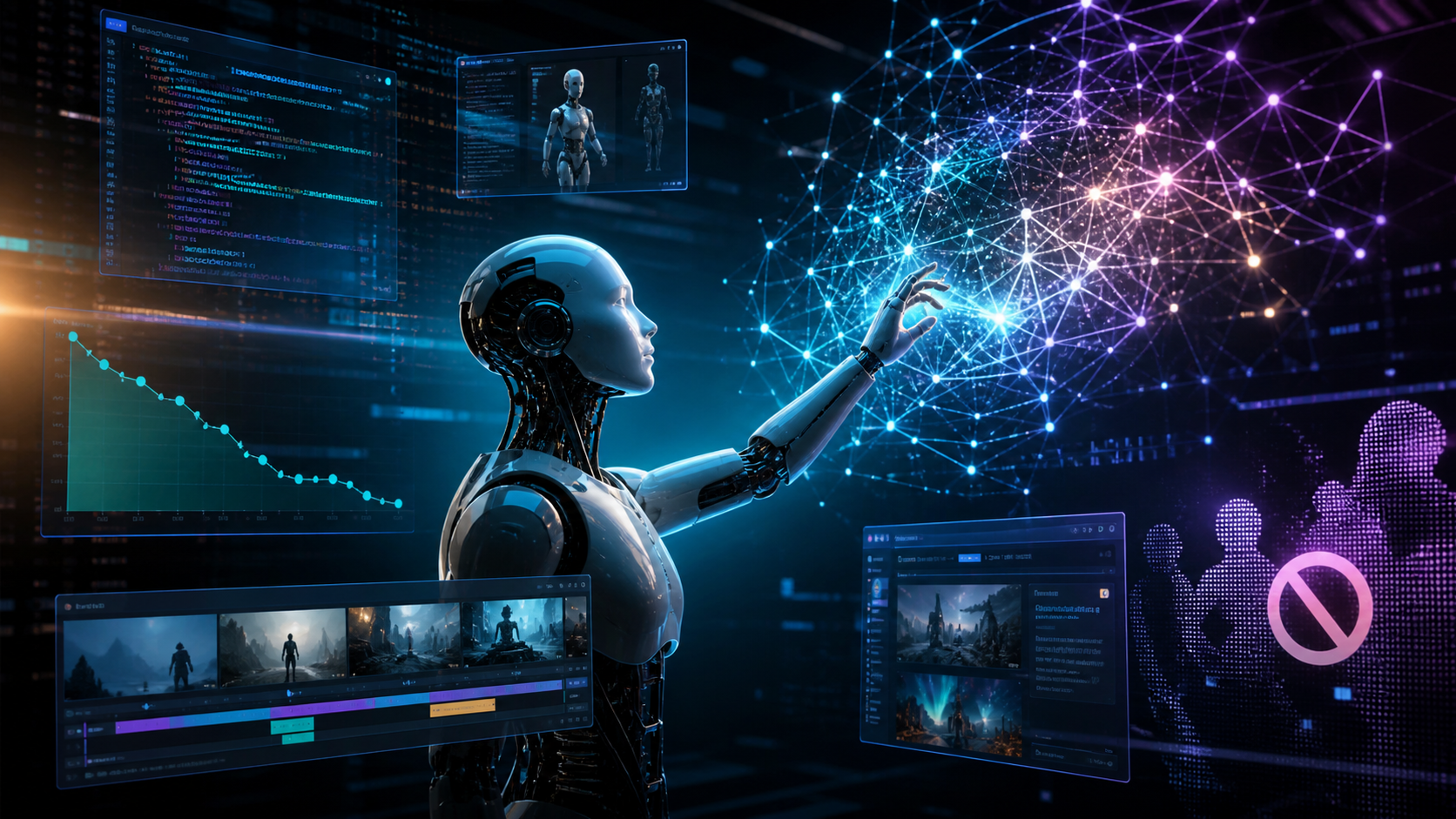
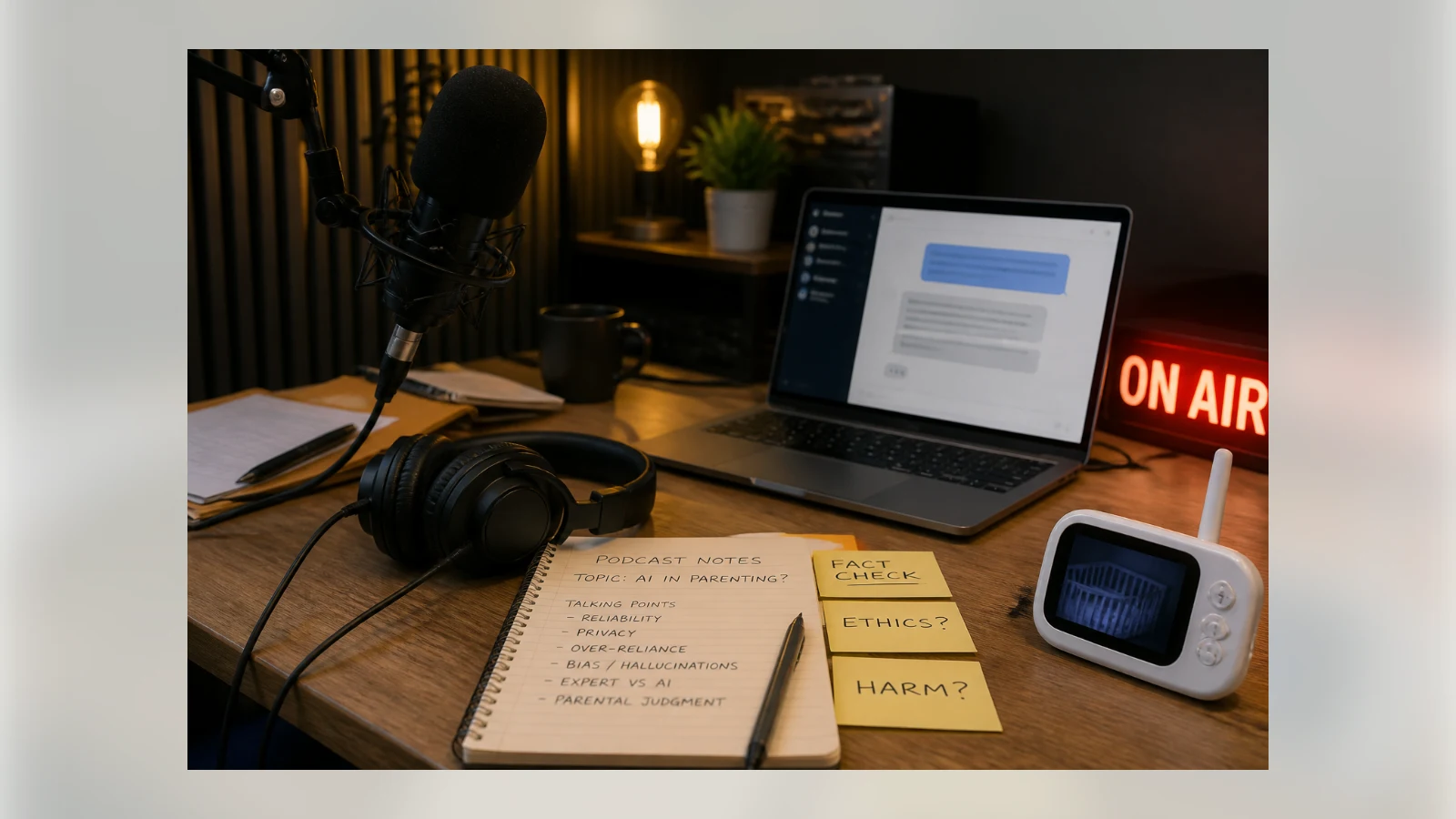
On Friday, OpenAI CEO Sam Altman touted a "cool use case" for the company’s new ChatGPT Work product: connecting family calendars and children’s interests to generate a daily podcast for the school commute. The automated broadcast would blend reminders of a child’s soccer match, another’s birthday, and curated news, potentially replacing parental conversation en route.
The idea was quickly parodied and condemned across social media. Alex Hirsch, creator of "Gravity Falls," responded simply: "What if you just talked to your children"? Hirsch’s retort outpaced Altman’s original message in engagement—by Saturday morning, Hirsch’s reply had been reposted 9,000 times and liked 122,000 times, while Altman’s post garnered roughly 300 reposts and 9,600 likes.
Altman’s pitch echoes a pattern among tech leaders positioning AI as a buffer against human interaction. Microsoft CEO Satya Nadella last year described forgoing his favorite podcasts on morning drives to instead query a chatbot about their contents. Altman himself previously said on The Tonight Show that he "cannot imagine" navigating newborn parenting without ChatGPT, though he conceded people managed for a long time without it.
OpenAI is actively courting parents. A recent job listing sought a product manager to build trust-sensitive family experiences. The company has also rolled out safety features aimed at parents. Yet it simultaneously faces multiple lawsuits from families who allege ChatGPT contributed to loved ones’ delusions and suicides. OpenAI states it is "continuously improving how our models respond in sensitive interactions."
The exchange highlights ongoing tension between Silicon Valley’s vision of AI-augmented daily life and broader societal skepticism about ceding intimate family moments to automation.
See an error? Read our corrections policy or email [email protected].