OpenAI Launches Dots: Always-On AI Agents That Work While You're Away
At DevDay, OpenAI introduced Dots, proactive AI agents available first to Pro and Business Premium users in select markets. They can handle tasks, connect to thousands of apps, and integrate with Slack and Teams.

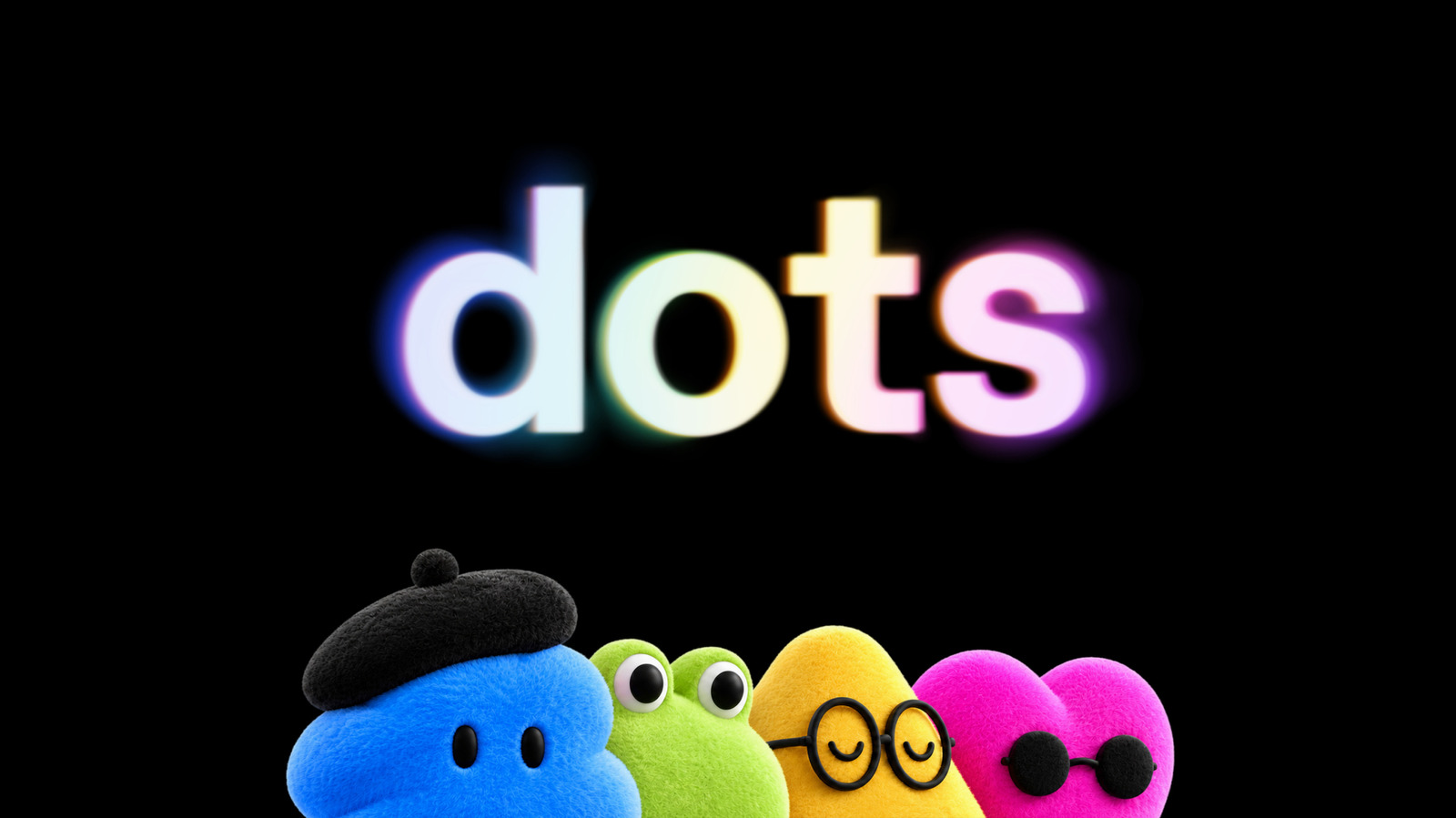
OpenAI unveiled a new class of AI agents called Dots at its DevDay event in San Francisco. According to Engadget, the company describes Dots as proactive, always-on systems designed to work on tasks continuously, aiming to complete work in the user's style, sometimes before being asked.
At launch, access is limited to Pro, Business, Premium, and Enterprise users in select markets. Each eligible user receives one primary Dot that can be named and customized. OpenAI says the first Dot is free for Pro and Business Premium subscribers. The company envisions a future where users can manage teams of Dots, though that capability is not yet available.
Dots operate within OpenAI's existing ecosystem, with access to more than 4,000 apps via plugins. New integrations with Slack and Microsoft Teams allow users to converse with their Dot outside of ChatGPT, Codex, and Work apps. OpenAI states that Dots can perform nearly any task using their own cloud computer, browser, and connected apps. Users can check on a Dot's activity by opening its virtual computer. It is also possible to connect a Dot to a personal PC, enabling it to control the machine on the user's behalf.
Interaction is designed to be conversational. OpenAI explains that users can message or call Dots through ChatGPT on desktop, web, and mobile. Dots can also initiate contact to share progress, ask questions, or request decisions. The system carries context across all surfaces where a user interacts with it.
OpenAI provided examples of potential use cases: a scientist could have a Dot integrate new data into a paper as lab tests are collected, and a developer could use a Dot to gather user feedback and then write bug fixes or new features in response. Another example from OpenAI describes a tester's Dot noticing an unbilled article, preparing an invoice, and sending it after receiving approval.
Given recent security concerns surrounding OpenAI's agents, the company emphasized safety features. When signing into websites, Dots can use saved passwords without exposing them to the underlying model. For proactive research, safeguards restrict tools to read-only access in connected apps, meaning they cannot send messages, alter app content, or control the browser or computer. Users can manage permissions through ChatGPT's existing app controls. Dots come with built-in rules for when to act independently versus when to seek approval, and users can write custom rules for specific actions.
Usage limits in Codex and Work apply as normal, even though chatting with the Dot within ChatGPT is unlimited for eligible subscribers. OpenAI has not announced a wider rollout timeline.
While the launch positions OpenAI in the growing market for autonomous agents, questions remain about real-world reliability and security. The company's recent track record with agents has drawn scrutiny, and the success of Dots will depend on whether the promised safeguards hold up under everyday use. For now, the feature is limited to specific subscribers, so broader impact is yet to be seen.
Sources and further reading
See an error? Read our corrections policy or email [email protected].