Translation Earbuds: How They Work and What to Realistically Expect
Translation earbuds promise seamless conversations across languages, but real-world performance varies. We break down the technology, its current limitations, and what to consider before buying.

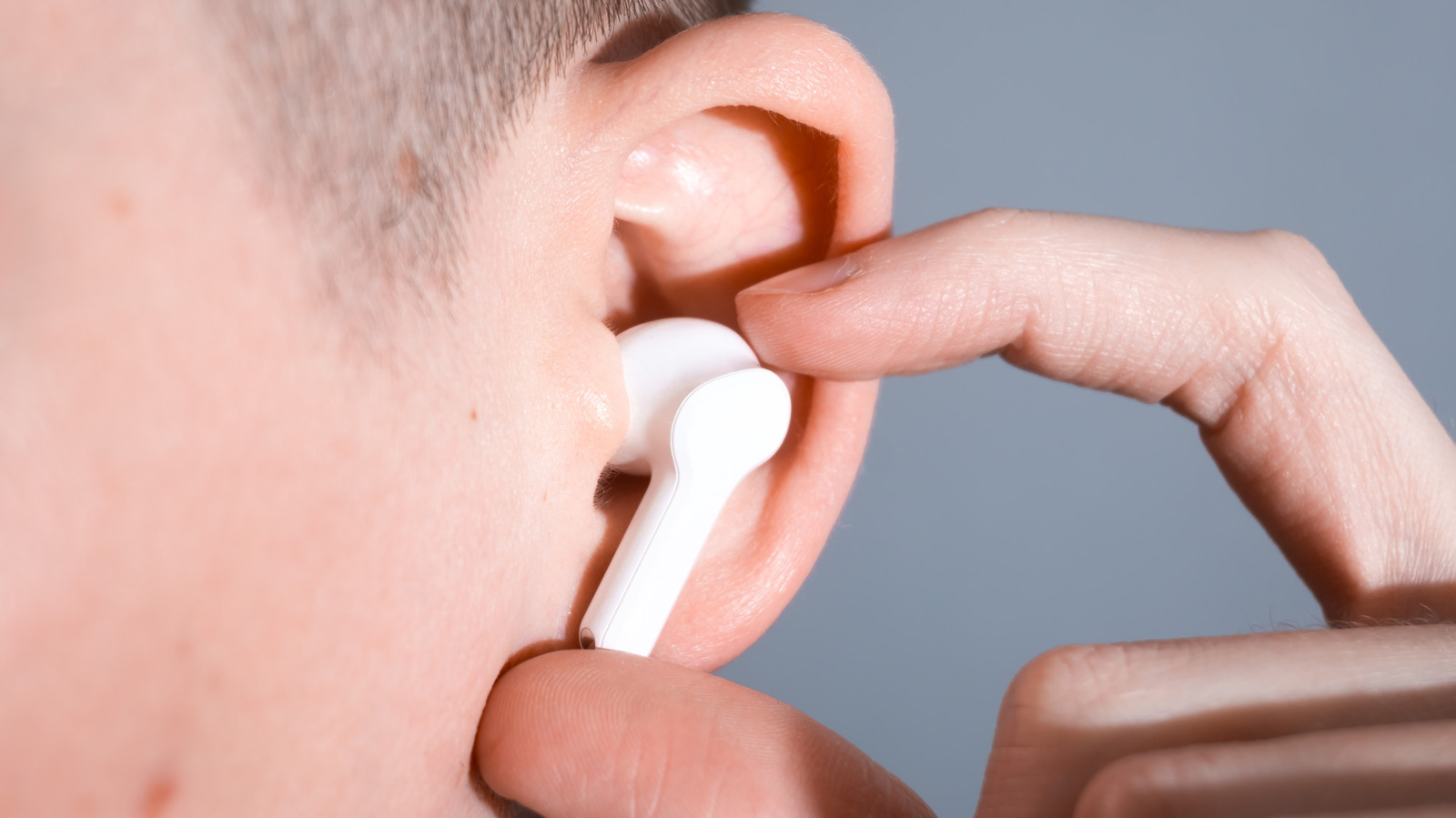
Translation earbuds are advertised as a breakthrough for cross-language communication, but their real-world performance often falls short of the hype. According to Engadget, these devices work through a three-step process: speech recognition, machine translation, and text-to-speech synthesis.
First, microphones capture the speaker's voice. High-end models like the Soundcore Liberty 5 Pro use multiple microphones, bone conduction sensors, and AI to isolate voices from background noise. Others rely on dual or beamforming microphones. The captured audio is then processed either on a connected phone, in the cloud, or both, depending on the brand. Apple AirPods Pro, for instance, process everything on the iPhone after downloading language packs, while Google Pixel Buds require an internet connection for cloud processing. During this stage, speech is converted to text, translated into the target language using natural language processing, and sometimes refined with large language models like ChatGPT for better context. Finally, text-to-speech synthesis generates audio in a synthetic voice, which is sent back to the phone and then to the earbuds via Bluetooth.
Some models, including Apple AirPods Pro and Galaxy Buds Pro, can run the entire process offline, while others need a steady internet connection. Offline capabilities vary: Timekettle offers 14 offline language pairs, with the first two free and the rest costing $10 each, but media translation, calls, and advanced AI features still require internet.
The technology has improved, but accuracy claims of 95% or 99% are marketing hype, Engadget notes. Such accuracy is possible only under near-perfect conditions rarely found outside a lab. Common pitfalls include delays of a few seconds or more, which can make conversations drag. Inaccuracies arise from unclear speech, obscure dialects, slang, homonyms, idioms, and background noise. Less popular language pairs suffer more frequent errors.
Many translation earbuds also function as regular earbuds for calls and media, so buyers should confirm whether they offer needed features to avoid purchasing two separate pairs.
In summary, translation earbuds are improving but remain limited by speed, accuracy, and connectivity requirements. They may be useful for basic communication in favorable conditions, but users should temper expectations and verify offline capabilities and additional features before buying.
Sources and further reading
See an error? Read our corrections policy or email [email protected].