USB Extenders Can Work, but Speed, Power and Features Need a Closer Look
A guide to passive cables, active repeaters and CAT/fiber extenders—and why a USB-C connector alone tells you little about data, power or compatibility.
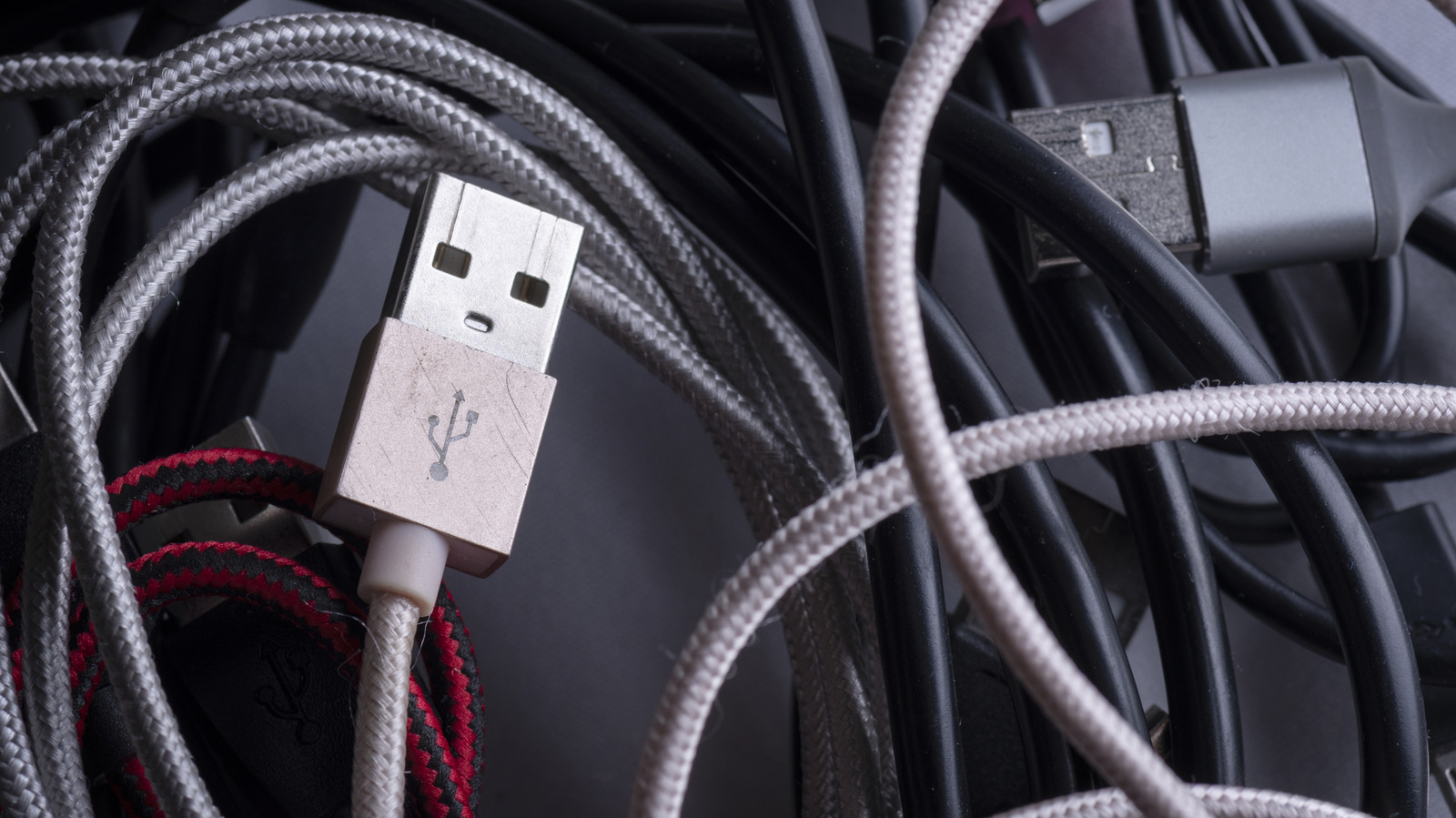
USB extension is not a single product category. According to Engadget, the label can describe a passive cable, an active repeater, or an extender that runs over CAT or fiber cabling. These options all move a USB connection farther from the host, but they do not promise identical throughput, power delivery or feature support. The report notes that they are generally safe when the hardware is properly rated and used within its stated limits.
That distinction matters once you move beyond a keyboard and mouse. A 4K webcam, an external SSD or a USB-C dock can demand much more bandwidth; a dock may also carry video and power. In those cases, an extender might appear to function while actually negotiating a slower USB mode, dropping the connection intermittently, or failing to pass through a feature the user assumed was available.
Passive extension cables are the simplest approach: they add length between computer and device. Engadget says this can be acceptable for shorter runs, but signal integrity becomes harder to maintain as distance grows. USB 2.0 is relatively tolerant up to roughly 16 feet (5 meters). For USB 3.x, passive runs are typically kept to about 10 feet (3 meters) before active hardware becomes the smarter choice.
Active models contain circuitry that reconditions the signal. The report cites StarTech's 33-foot active USB 3.2 Gen 1 cable, rated for 5 Gbps, with two units daisy-chained for a run of about 66 feet. Icron's Raven 3104 goes further, offering up to 5 Gbps over a maximum distance of 328 feet using CAT 6a or CAT 7 cable.
The device on the far end still matters. Compared with a keyboard, storage drives, VR headsets, webcams and docks are more likely to expose connection problems because they may need more bandwidth or several USB capabilities at once. Shopping is especially confusing with USB-C, since the connector shape says little about the speed or features behind it.
Power delivery is another place where checking only the port on the box can lead to disappointment. USB Power Delivery can reach 240W, but the source, the device and the cable all have to support that level. The source advertises what it can provide, and the connected device requests power before a higher-power contract is established. Engadget notes that USB-IF requires USB-C-to-USB-C cables in its compliance program to carry either a 60W or 240W marking, and all except USB 2.0 cables must also show their supported data rate.
Fast charging and fast data do not necessarily travel together. Anker sells a 10-foot USB-C cable that supports 240W charging but tops out at 480Mbps for data. Icron's 328-foot extender is the inverse: up to 5Gbps, but only 6W per remote USB port. In other words, a cable or extender can be strong in one dimension and weak in another.
Passive USB-C male-to-female extensions deserve extra care. Engadget reports that C-to-C cables, Type-C-to-legacy cables and adapter assemblies appear in USB-IF's passive Type-C compliance document, while generic male-to-female Type-C extension cables do not. That does not make USB extenders illegal, but it means buyers should not assume every extension product has been validated in the same way.
For USB4, display output or high-wattage charging, making the USB-C connectors fit is only the start of the compatibility test. If the real problem is that a charger cannot reach a wall outlet, the report suggests a properly rated AC extension cord may be a cleaner temporary solution than extending the USB connection itself.