Vivo's 400mm Teleconverter Lens Sets a New Bar for Phone Photography, But You Probably Can't Buy It
TechRadar's hands-on with the Vivo X500 Pro Max and its G2 Ultra teleconverter shows a smarter software approach than rivals from Oppo, Honor, and Apple—but availability remains limited to China.

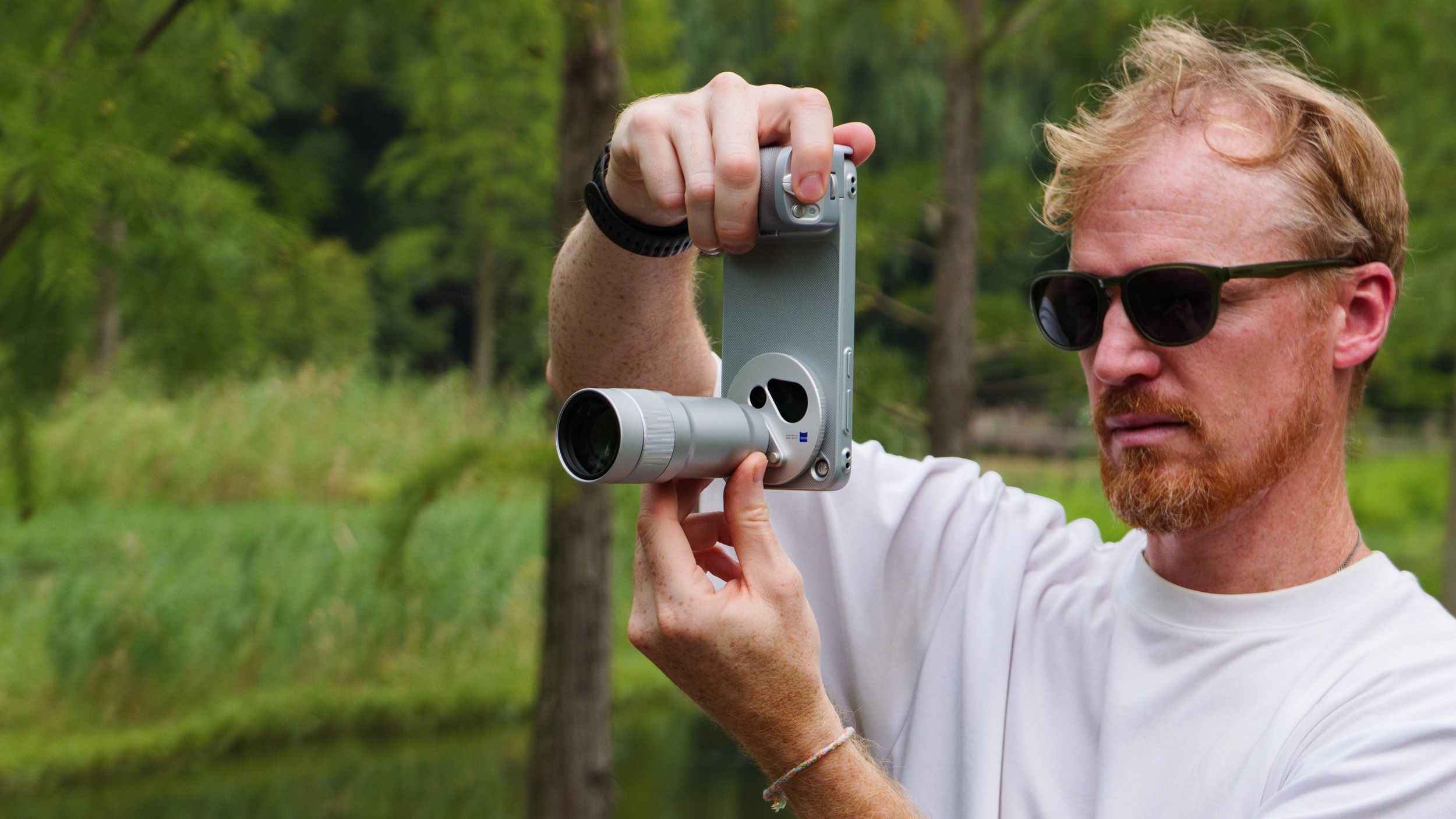
Vivo has introduced a pair of teleconverter lenses for its X500 Pro Max flagship phone, and according to a hands-on report from TechRadar, the implementation is notably more flexible than competing solutions from Oppo, Honor, and third-party options for Apple's iPhone.
The accessories, available separately in China or bundled in a photographer's kit, include a 2.3x model and a new "G2 Ultra" 4.7x teleconverter built with Zeiss optics. When paired with the phone's 3.5x telephoto camera—which has an effective focal length of 85mm—the G2 Ultra extends reach to 400mm without relying on digital zoom.
Why the software matters
The key differentiator, per TechRadar's testing, is how Vivo integrates the teleconverter into the camera app. Rather than requiring a dedicated shooting mode, the phone lets users activate the teleconverter through a persistent on-screen icon and then continue using any other camera mode. The phone automatically corrects the image orientation, since the teleconverter uses mirrors that would otherwise flip the image.
This contrasts with the Oppo Find X9 Ultra, which TechRadar says locks teleconverter use into a restricted dedicated mode that blocks access to the phone's best camera features. The same limitation applies to the Honor Magic 9 Pro Max and recent iPhone models paired with third-party teleconverter options like those from PGY Tech, according to the report.
Because the Vivo approach works across modes, users can shoot with the phone's maximum 200MP resolution, access Pro mode with RAW file format and full exposure control, or use SnapShot—a mode designed for action photography that automatically selects a high shutter speed. At 400mm equivalent, fast shutter speeds are particularly useful for wildlife and sports photography.
Stabilization and real-world use
TechRadar notes the teleconverter lens includes a collar and tripod mount, making it straightforward to attach to a tripod. While the lens doesn't benefit from the 7EV in-body image stabilization of the phone's main camera, the reporter found that handheld shooting at 400mm could still produce sharp images, smooth video, and effective subject tracking.
The report also addresses digital zoom. The X500 Pro Max offers digital extension to 800mm, 1200mm, 1600mm, and 3200mm, but TechRadar's reviewer found that digital zoom produces artificial-looking results when examined closely. A better approach, according to the report, is to shoot at higher resolution—50MP or 200MP—and crop afterward.
Availability and outlook
The Vivo X500 series and its accessories are currently sold only in China, with a wider rollout yet to be determined. TechRadar notes that Vivo's flagship devices have not previously been sold directly in the US or UK.
For photographers interested in super-telephoto smartphone photography, the G2 Ultra represents a meaningful step forward in capability. However, the practical takeaway for most readers outside China is limited: the hardware and software combination that makes this setup compelling isn't readily accessible in Western markets, and there's no confirmed timeline for broader availability.
TechRadar's review is based on hands-on testing with the Vivo X500 Pro Max and the G2 Ultra teleconverter, as well as prior experience with the Oppo Find X9 Ultra and its teleconverter accessory.
Sources and further reading
See an error? Read our corrections policy or email [email protected].