Vulnerabilities in Component Libraries Drive Infrastructure Exploitation
Eclypsium’s InfraTrust report identifies third-party software packages as the primary source of actively exploited flaws in network hardware, creating downstream delivery delays for standard security patches.


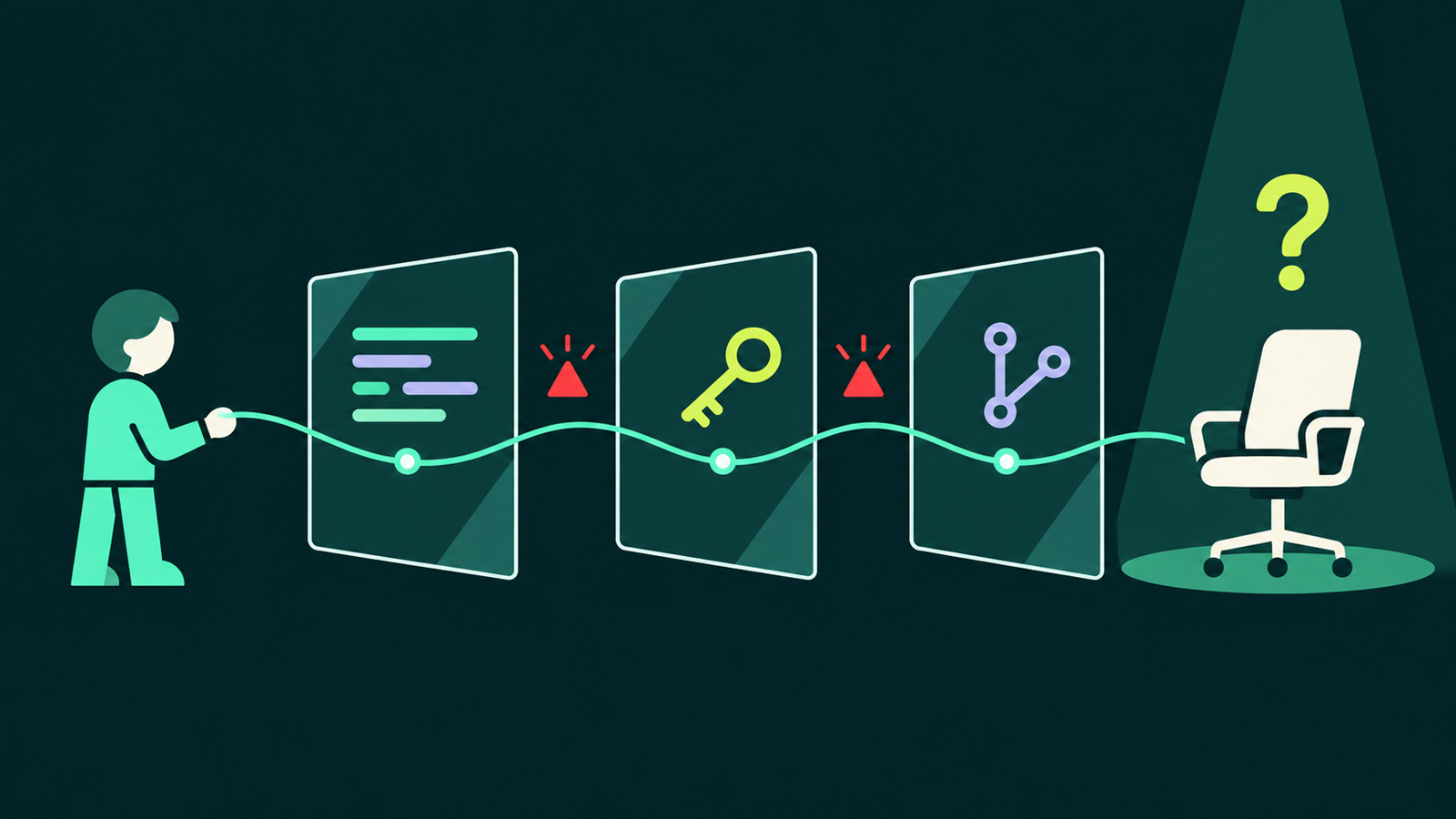
A recent analysis of infrastructure security advisories indicates that the most pressing threats to network devices stem from standard third-party components bundled by manufacturers, rather than vendor-developed code. This shift complicates the patch management timeline, as downstream security fixes rely on timely product image rebuilds from hardware vendors.
Report findings reveal that the majority of newly listed active vulnerabilities in November are housed within common software libraries, notably PHP, Node.js, and OpenSSH. The reliance on these deixis libraries creates a lingering exposure window. While a security update may be released to address a gap in the upstream component, the affected network appliance remains insecure until the manufacturer applies the fix to its firmware.
The report highlights the PHP2Shell vulnerability cluster as a critical case study. This group of flaws has been weaponized to gain root access within Palo Alto Networks and Check Point firewalls. In reported instances targeting Check Point, attackers capitalized on this access to deploy data-wiping malware on VMware ESXi hosts, resulting in significant data loss.
Despite the existence of upstream patches, several major vendors have failed to deploy fixes for these active threats. Organizations relying on hardware from Fortinet, Juniper, Lenovo, HPE, Netgear, HP, and Siemens remain at risk until downstream updates reach production networks. Adding to the complexity, a subsequent batch of 18 PHP security advisories released in late November further expanded the list of devices requiring investigation.
Security professionals are advised to prioritize architectural hardening alongside standard patching. Measures recommended to mitigate risks while awaiting vendor updates include isolating management interfaces from public networks, implementing internal segmentation to limit lateral movement, and auditing previously exposed systems for backdoors. The rapid acceleration of vulnerability discovery, assisted by AI models, requires organizations to adopt a defense-in-depth strategy to withstand the anticipated fallout from these supply chain disruptions.
Sources and further reading
See an error? Read our corrections policy or email [email protected].