What Is IMAX Dome? Inside the 180-Degree Theater Format
IMAX Dome, once known as OMNIMAX, projects onto a domed ceiling with a fisheye lens for a 180-degree field of view. It lives mostly in science museums and usually shows nature films, though some Nolan releases have played there too.

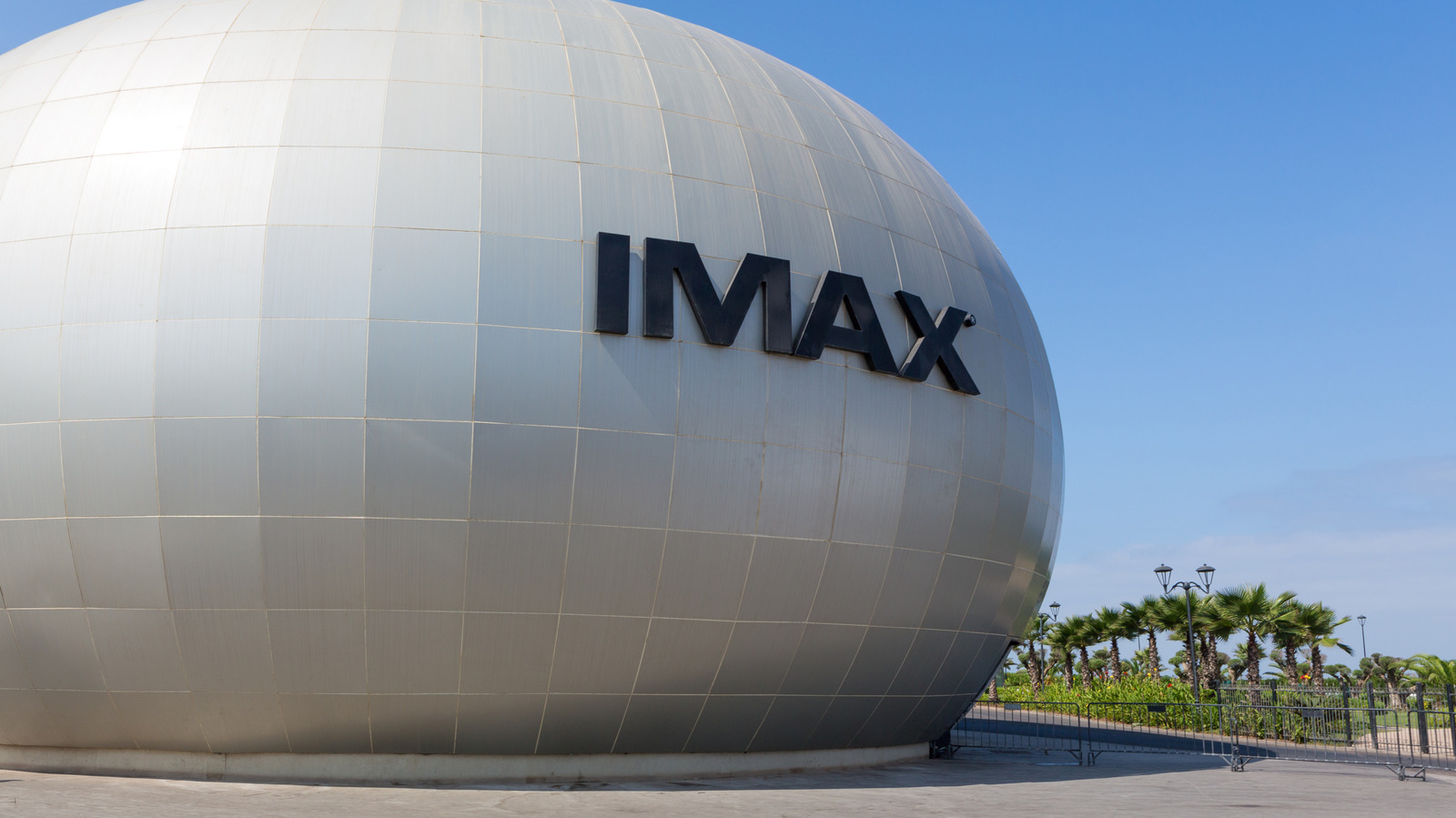
IMAX is not a single product but a family of projection systems. What a viewer actually sees depends on the theater and on how the film was shot. IMAX Dome is one of the less common members of that family. It was formerly called OMNIMAX, a name that changed in the 1990s, though some institutions still use the older term, including the Saint Louis Science Center.
A Dome theater projects onto a domed ceiling through a fisheye lens, producing a 180-degree field of view. For scale, a standard IMAX screen is vertical and measures roughly 52 by 72 feet. A dome can reach nearly 100 feet in diameter across the whole ceiling.
The main IMAX categories are worth separating. IMAX 70mm is generally regarded as the peak version, with films shot and projected on IMAX 70mm film. IMAX GT Laser comes close: dual laser projectors, 4K resolution, and screens built for the 1.43:1 aspect ratio. IMAX with Laser uses a single laser projector tuned for wider 1.90:1 screens. Older IMAX Digital Xenon sites use dual 2K projectors with xenon bulbs and often sit in smaller auditoriums; some moviegoers have nicknamed them LieMAX. IMAX Dome with Laser is the dome format, and it is uncommon for both production and exhibition.
Dome venues are typically found at science museums and educational centers rather than commercial multiplexes. They tend to run nature and educational programming instead of Hollywood blockbusters. The first film made specifically for Omnimax and IMAX Dome was a 1973 short documentary called Garden Isle. In the decades since, most Dome-optimized titles have followed a similar path, among them Secrets of the Sea and Volcanoes: Fires of Creation.
That said, almost all Dome theaters project at the full-height 1.43:1 IMAX aspect ratio, the same ratio used in IMAX 70mm theaters. That technical overlap has let some Christopher Nolan films, including Oppenheimer and The Odyssey, appear in IMAX Dome locations. So the format is not strictly limited to nature documentaries, even though those remain its mainstay.
Locating a Dome takes a bit of work. IMAX does not maintain an easily digestible public list. Fan-run resources such as the IMAX Wiki can help fill the gap. Known sites include La Geode in France, the Speyer Technik Museum in Germany, the Swedish Museum of Natural History, the China Science & Technology Museum, and the Ontario Science Centre in Toronto. In the United States, examples include the Museum of Science and Industry in Chicago, the Cincinnati Museum Center in Ohio, and the Saint Louis Science Center.
For anyone accustomed to a standard IMAX auditorium, a Dome visit feels different. It is less like a conventional cinema and more like sitting inside the frame. The source notes that film enthusiasts sometimes travel to other cities or states to catch a preferred IMAX format, and the recent attention around The Odyssey has pushed the company's various systems into wider discussion. Whether a Dome showing justifies the trip depends on the film and on how much you enjoy a non-traditional, deeply enveloping presentation.
Interpretation, not confirmed fact: the Dome format's museum roots help explain why its catalog leans educational, and its rarity makes it a niche pursuit rather than a mainstream upgrade path.
Sources and further reading
See an error? Read our corrections policy or email [email protected].