Why IMAX Film Cameras Are So Loud, and What IMAX Is Doing About It
IMAX's 15/70 film cameras produce outstanding images but generate relentless mechanical noise. Here's what causes it, how productions work around it, and what a newer, quieter camera changes.
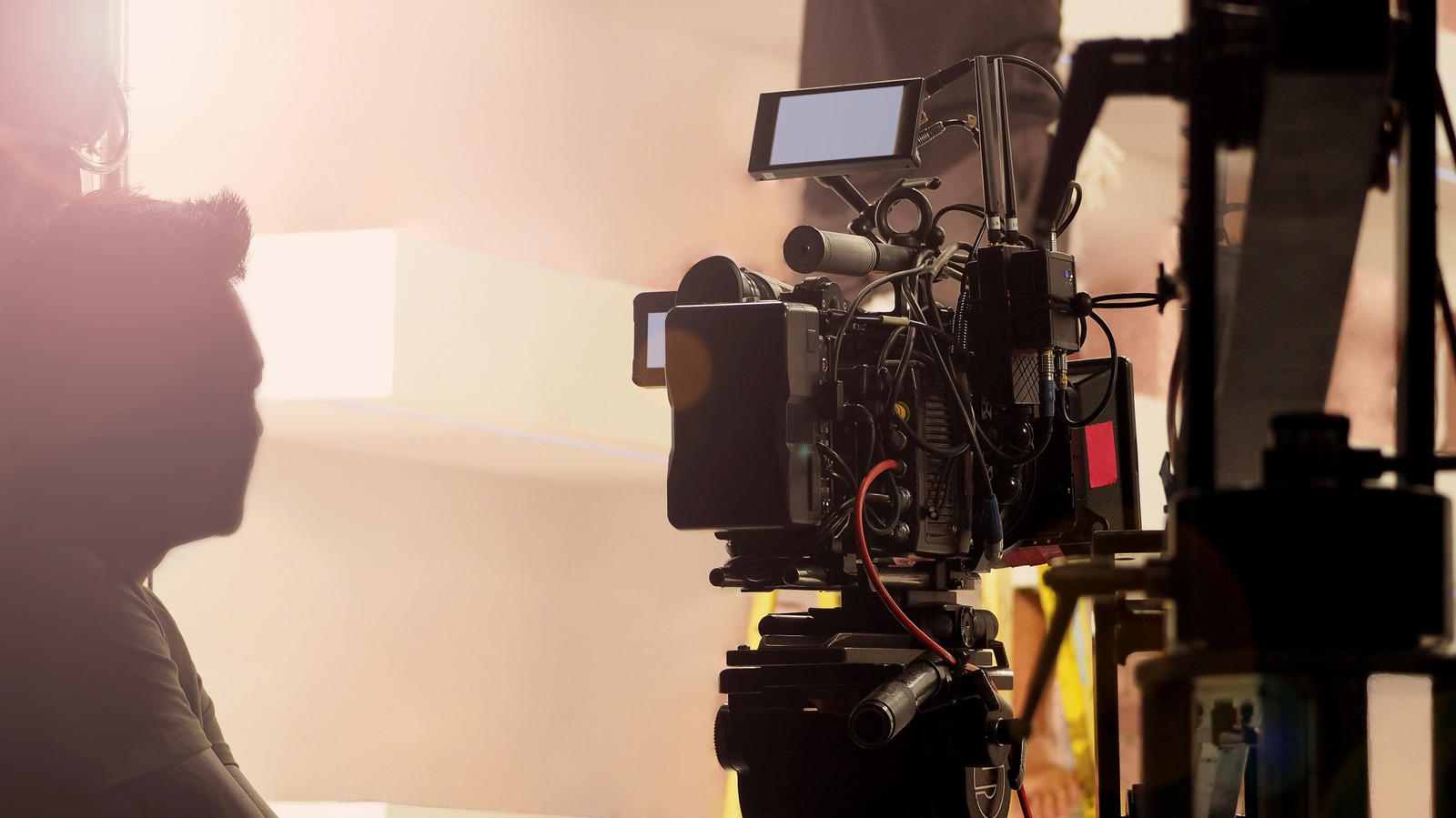
The basic problem: big film, big noise
Traditional IMAX filmmaking is not a casual format. The 15/70 camera is bulky, costly to operate and loud enough that it can interfere with a shoot, according to Engadget's explanation of the technology.
The noise starts with how film cameras work. Each frame has to be held still behind the lens while it is exposed, then the film advances and the cycle repeats. A standard cinematic camera does this 24 times a second. An IMAX camera has far more film to move.
The 15/70 name refers to the frame size: each frame on a 70mm projection print covers 15 perforations, the sprocket holes along the film edge used to position it. During filming, the camera runs a 65mm negative horizontally, again using 15 perforations per frame instead of the five used by a conventional 65mm camera. The resulting image is roughly three times larger.
That adds up quickly. At 24 frames a second, the camera moves past 360 sprocket holes of film per second, which works out to 5.6 feet per second, or 336 feet a minute. A 1,000-foot film magazine provides around three minutes of recording time.
Moving that much film requires a powerful motor. The film movement, the magazine and the shutter all contribute to the mechanical noise. The size of the film and camera, and the speed at which the film must move, help create a rattle that is often audible in behind-the-scenes footage.
Why a vacuum system makes it louder
The film also has to sit completely flat behind the lens. After being wound inside a magazine, it can retain some curl, and even a small bend that breaks the plane of focus can ruin the film.
IMAX cameras address this with a vacuum plate behind the lens. Suction pulls the film flat against the plate during exposure, creating a stable surface for recording. The system is not there to force the film through the camera, only to position each frame accurately.
Creating that vacuum means suction runs as the film moves, and the pump and air movement produce a high-pitched mechanical hum. Engadget notes that this hum can badly affect recording in the wrong environment. Losing suction risks film bends that damage quality.
How productions cope
The noise is one reason IMAX film is not the dominant format in cinemas. Most modern releases are shot digitally, and those that are not are likely using cameras that are less bulky and expensive. "Filmed for IMAX" titles do not necessarily use film at all: they may use IMAX-certified digital cameras and an expanded 1.90:1 aspect ratio, avoiding the noise issue entirely.
When film cameras are used, productions can work around the problem without eliminating it. The format suits large action scenes with lots of noise better than small, intimate sets or quiet dialogue. Engadget cites No Time to Die, where IMAX cameras were mainly used for action and stunt sequences with minimal dialogue. Dialogue spoiled by camera noise can be re-recorded later using automated dialogue replacement, or ADR, in post-production.
There are physical mitigations too. A "barney," a soft-padded cover, can reduce some mechanical sounds. A "blimp" is a rigid soundproof enclosure that isolates more noise. The trade-off is weight: an older IMAX camera in a blimp can weigh as much as 275 pounds, making it impractical for a single operator to move around a set.
A quieter camera, but not a simpler format
IMAX has developed a smaller, quieter camera called the Keighley, used to film Christopher Nolan's The Odyssey. It uses a new blimp design that allows synchronized dialogue to be recorded, helping capture usable sound while shooting. Engadget reports the entire system weighed over 300 pounds.
Whether the Keighley encourages more IMAX filmmaking is an open question. IMAX screenings are a premium experience, but the format remains difficult to shoot, and few filmmakers have shown a desire to use it. Loud cameras are only one factor; a quieter camera does not make the process cheaper or easier to handle.
What this means
For audiences, the practical takeaway is that the IMAX logo on a release does not necessarily mean it was shot on IMAX film. For filmmakers, the noise is a known constraint with known workarounds, and a newer camera reduces one part of the problem while leaving cost and handling largely unchanged.