Your Old Cassette Tapes Could Outlast Their 30-Year Reputation — With Proper Storage
Engadget reports that cassette tapes, commonly thought to last about 30 years, can survive up to a century if kept cool, dry, and clean — and the storage choices you make now matter more than the format's age.
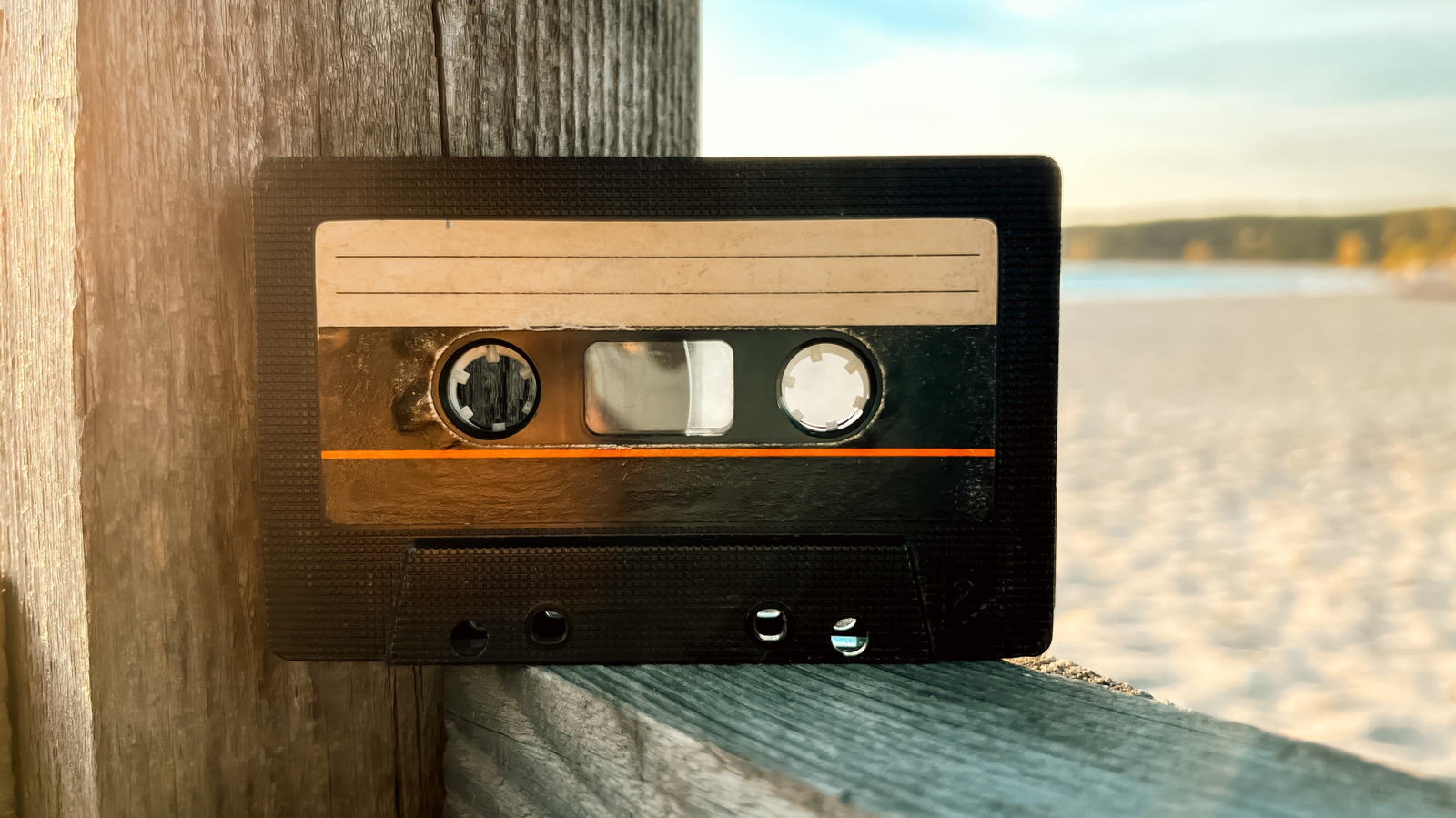
The 30-year figure isn't a hard deadline
If you grew up in the 1980s, you probably had a stack of cassette tapes. Many people still have them in a shoebox somewhere, according to Engadget, which looked at how long the format actually lasts. The commonly cited lifespan is roughly 30 years, but that estimate assumes ideal storage conditions. In practice, the article notes, the decisive factor is not the tape's age but where and how it has been kept.
Cassettes work through two internal reels connected by a thin strip of magnetic tape inside a plastic shell. When played, the tape moves across a magnetic head that reads patterns and converts them into audio signals, which an amplifier then strengthens. As long as the physical tape remains intact, it can play. The vulnerability is the coating that binds the tape: over time it can lose lubrication and detach, a process that storage conditions can slow or accelerate.
What actually shortens a tape's life
According to Engadget, the biggest threats are environmental. Temperature is a major factor — both extremes and frequent swings are harmful. Humidity matters as well. So does exposure to sunlight, moisture, dust and dust mites, pests, and magnetic fields. Under poor conditions, the article reports, a tape's useful life can fall from around 30 years to as few as five.
The attic is a common storage choice and a poor one. Engadget points to temperature fluctuations, moisture, humidity, and constant sunlight through a window as reasons to avoid it. If attic storage is unavoidable, the article suggests a plastic tub rather than a cardboard box.
The storage routine Engadget recommends
For people who want to keep tapes playable, Engadget outlines a set of practices:
- Store cassettes in a cool, dry place, ideally between 59 and 73 degrees Fahrenheit with 25 to 55 percent humidity.
- Keep them in their protective cases.
- Wipe the exterior periodically to remove dust, even gently with a Q-tip.
- Clean the player's tape heads as well.
- Play the tapes occasionally. Without use, the binder coating can become sticky in addition to losing lubrication.
- Rewind tapes to the beginning after listening, preferably using the rewind button rather than a pencil, to reduce stress and uneven winding.
Engadget also repeats the old "be kind, rewind" advice, noting the VHS-era mantra applies to cassettes too.
Digitize before deterioration, or accept the risk
For anyone who wants to preserve custom playlists and personal recordings, Engadget suggests digitizing tapes — either through a digitization service or by connecting a player to a computer and recording with software such as Audacity. The recommendation is to do this before the tapes degrade further, not after a failure.
But the article is not alarmist. Its author reports having cassettes more than 30 years old that still play fine, and it notes that tapes from the 1970s and 1980s can keep working for decades if stored well. With the right care, the theoretical upper bound cited is 100 years.
The practical obstacle, Engadget observes, may not be whether tapes still work but whether you have anything to play them on. Many people have replaced boomboxes with Bluetooth speakers. The article points to retro players that combine streaming with cassette decks and to affordable Walkman-style portable players as options for listening. Given the vinyl resurgence and Gen Z's role in reviving iPods, Engadget speculates that cassettes and Walkmans could trend again.
What this means for owners
The takeaway is straightforward: the 30-year figure is a rough average, not a verdict. Storage conditions outweigh age, and a modest routine — controlled temperature and humidity, cases, dust removal, occasional playback, and rewinding — can extend a tape's usable life well beyond the default expectation. Digitization is the only way to guarantee the audio survives a physical failure, but it is a preservation step, not a rescue operation for tapes that have already deteriorated.
For owners deciding whether to act, the useful question is where the tapes have been stored, not when they were recorded. Cool, dry, and clean beats old and untouched. And for anyone who wants the music to outlast the plastic, recording to digital files is the only option that removes the storage variable entirely.