Android Auto: Extending Utility Beyond Navigation and Media
A re-evaluation of the Android Auto app ecosystem reveals tools for productivity, fuel management, and offline navigation that can enhance the daily commute.

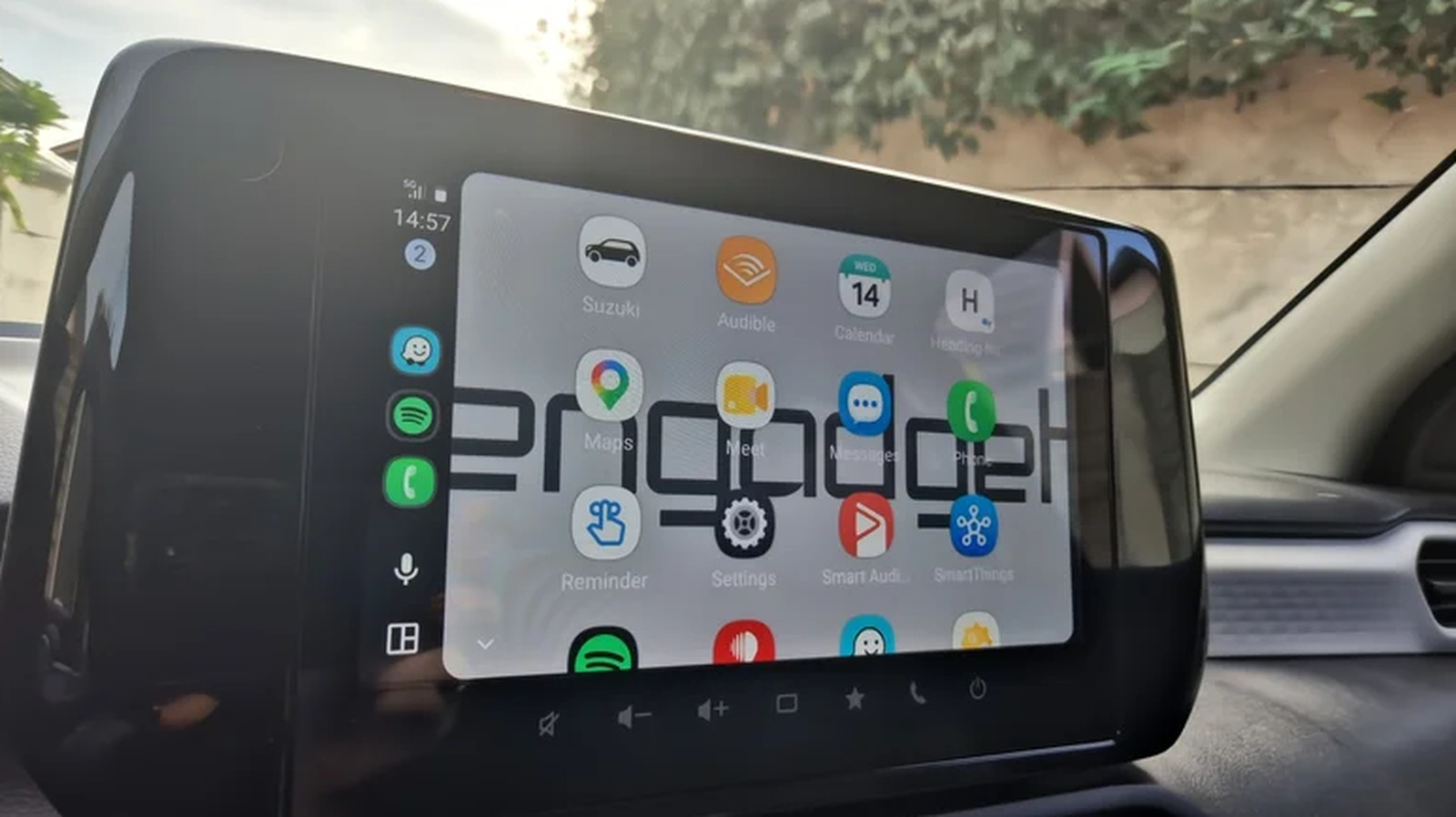
While most Android Auto users limit their engagement to navigation and media clients, the platform hosts a deeper library of utility and communication applications that can significantly alter daily driving routines.
For professionals, the in-dash interface functions as a mobile conference hub. Clients like Google Meet, Zoom, Webex, and Microsoft Teams support audio-only conference participation. Google's native Meet integrates closely with the calendar, displaying appointments to allow drivers to join calls with a single tap. Microsoft Teams offers similar integration, allowing users to check schedules and place calls directly from the interface. This capability facilitates business continuity during travel, though functionality is often gated by corporate security protocols.
Enterprise environments frequently isolate productivity apps into an Android Work Profile. When configured this way, meet and collaboration apps may fail to synchronize with the Android Auto launcher or calendar, rendering them inaccessible. This fragmentation highlights the utility of Google's expected 'Work Mode,' which aims to bridge the gap between corporate security and vehicle interface access.
Operational efficiency tools assist with vehicle economics. Applications such as Fuelio track fill-ups and odometer readings to calculate average fuel economy and cost per mile over time. This data assists in budgeting for fuel expenses, offering a more granular approach than standard mapping tools.
Electric vehicle owners benefit from detailed ecosystem maps. PlugShare provides a crowdsourced dataset where users upload photos of charger layouts and report the operational status of connections. This aggregate information identifies amenities and potential obstructions, helping to alleviate range anxiety. However, the reliability of this data is contingent upon a robust community of contributors in specific locales.
Offline access preserves data plans. HERE WeGo allows users to download maps for entire countries or specific cities to navigate without a signal. Users can configure the app to avoid specific routes, such as tunnels. Messaging integration includes features for reading notifications and generating replies using AI, though users should remain vigilant of transcription errors.
Sources and further reading
See an error? Read our corrections policy or email [email protected].