Asean digital pact could widen regional markets for MSMEs, but implementation will decide impact
The proposed Asean Digital Economy Framework Agreement is being pitched as a route for smaller businesses to reach regional customers, though panelists at a Manila summit say trust, security and execution matter as much as the text.

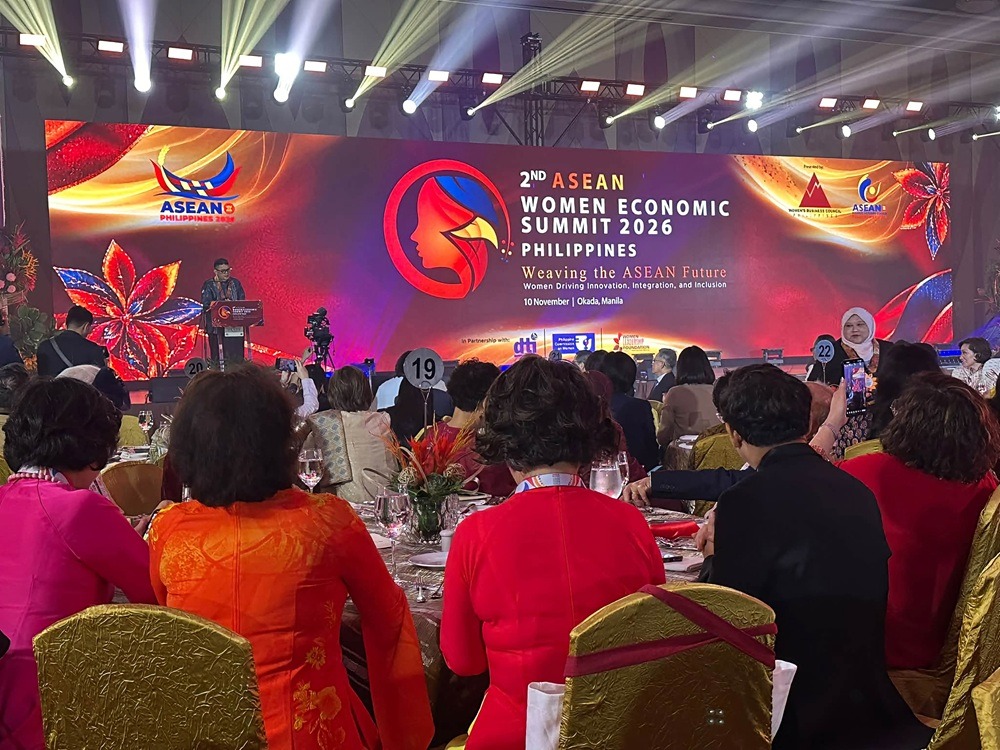
A proposed region-wide digital trade agreement could give micro, small and medium enterprises across Southeast Asia better access to markets beyond their home countries, but its practical value will hinge on how member states carry it out, according to a panel discussion reported by Newsbytes.PH.
The discussion took place on Nov. 10 during the first plenary session of the 2nd Asean Women's Economic Summit 2026 at Okada Manila in Parañaque City. Broadcast journalist Cathy Yang moderated the panel, titled "Implementing the Digital Economy Framework Agreement: Trust, Interoperability and Opportunity." Participants included Datuk Dr. Hafsah Hashim, founder and chairperson of Malaysia's Women Leadership Foundation; Bouphamany Chounramany; and Shamina Singh, founder and president of the Mastercard Center for Inclusive Growth.
At the center of the conversation was the Asean Digital Economy Framework Agreement, or DEFA, described in the report as the region's first comprehensive digital economy pact. Asean concluded negotiations in Manila on May 29, 2026, during the Philippines' Asean chairship, with signing scheduled for Nov. 14.
The agreement covers digital trade, cross-border e-commerce, electronic payments, digital identity, data protection, online consumer protection and cybersecurity. Its stated aim is to align regional rules and improve interoperability so that digital transactions and business activity can flow more easily between member states.
For MSMEs, the potential benefits described by panelists are concrete: access to digital platforms and cross-border payment systems could make it easier to sell goods and services outside domestic markets, reach regional customers and take part in international supply chains. Hashim stressed that regional agreements need to translate into actual accessibility and income generation, with digitalization opening ways for businesses to expand, find more customers and build new revenue streams.
The panel also framed trust as a precondition rather than an afterthought. Secure online transactions, data protection and dependable digital systems were described as essential to giving businesses and consumers confidence to participate more fully in the digital economy.
Yang pointed to DEFA's potential to benefit roughly 60 million women micro-entrepreneurs across Southeast Asia, while emphasizing that digital integration should deliver gains to smaller businesses, not only larger players.
A study cited by Asean estimates the region's digital economy could reach $2 trillion by 2030 if DEFA is implemented successfully. That figure is a projection tied to successful implementation, not an outcome of the agreement's signing.
The report notes that the agreement's real effect will depend on how effectively member states implement its provisions and whether businesses can access the digital infrastructure, skills and security protections needed to use them. For MSMEs, the report suggests, success should be measured by whether regional cooperation produces broader market access, higher sales, increased incomes and sustainable growth.
Those caveats matter for technology businesses and users in the Philippines and Southeast Asia. An agreement that harmonizes rules on payments, digital identity and data protection could lower friction for firms selling across borders, but the benefits will be uneven if connectivity, digital skills and trust safeguards lag. The panel's emphasis on implementation and security points to where the gap between a signed text and real commercial opportunity is most likely to appear.
This article is based on reporting by Newsbytes.PH. Confirmed details include the panel's date, location, participants and the status of DEFA negotiations and scheduled signing as reported. The projected $2 trillion figure and the 60 million women micro-entrepreneurs reference are attributed to Asean and to Yang, respectively. Assessments about how much MSMEs will actually gain remain projections until implementation is underway.
Sources and further reading
See an error? Read our corrections policy or email [email protected].
Continue reading

Philippine firms trail global AI maturity by about two years, BCG-MBC study finds

Microsoft says Outlook access is recovering across Asia-Pacific, but email delays persist
