Beyond the iPad: A Global Tablet Landscape
With Apple leading the charge, other manufacturers are offering distinct advantages in screen size, ecosystem integration, and specialized use cases.

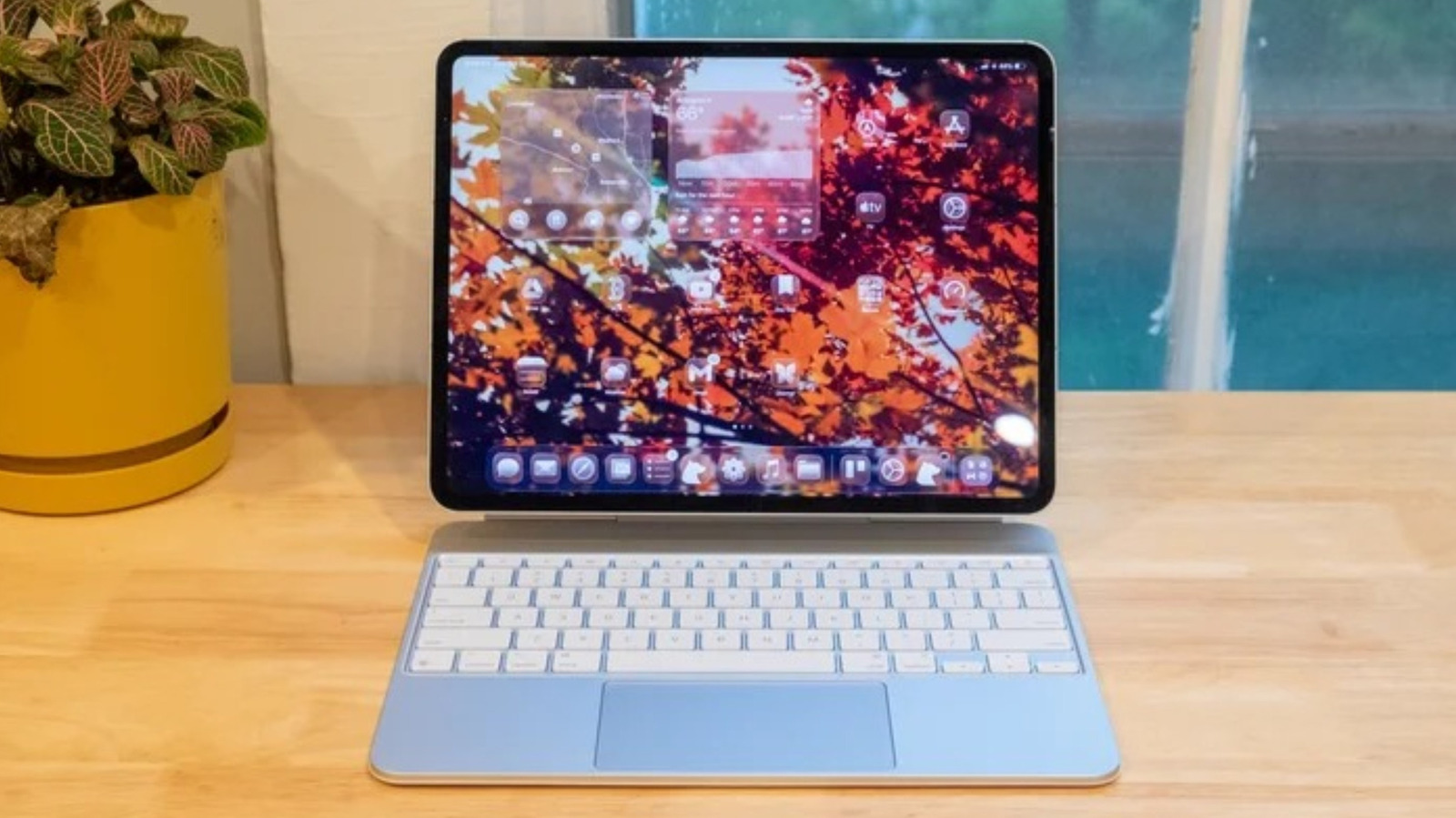
Apple maintains a commanding presence in the portable computing sector with the 2025 iPad Pro. The model distinguishes itself through an advanced M5 chip and a tandem OLED display. Despite this high-end status, the device suffers from a rigid software environment. Users must authenticate via an Apple account, and the isolated nature of iPadOS complicates file management and notification delivery for those outside the Apple ecosystem.
The consumer market offers several viable alternatives. The Samsung Galaxy Tab S12 Ultra presents a significantly larger form factor compared to the iPad Pro. It features a 14.6-inch AMOLED 2x display and a Dimensity 9500 chipset. While its computational power falls short of the M5, it utilizes 12GB or 16GB of RAM. Samsung’s One UI includes features that allow the tablet to connect with a Windows PC as a secondary screen or share input devices.
Amazon enters the premium segment with the Alexa Tablet 12 Pro. This device moves away from the previous Fire OS, adopting a software environment that supports the Google Play Store. It is powered by a Dimensity 8400 processor. The tablet is positioned for productivity and entertainment, though storage expansion is impossible due to the lack of a microSD card slot. The base cost for 128GB is $500.
For the gaming demographic, the RedMagic Astra 2 offers a focused experience. The device sports a 9-inch screen with a 185Hz refresh rate and is equipped with a Snapdragon 8 Elite Gen 5 processor. To ensure sustained performance, RedMagic incorporates a vapor chamber and liquid cooling system. The device is priced between $750 and $850, depending on storage capacity.
Professionals seeking full software compatibility may consider the Microsoft Surface Pro. This hybrid device runs Windows 11 on Snapdragon X2 processors, focusing on efficiency and battery life. However, the user must verify whether specific applications are natively optimized for ARM architecture. The device is priced starting at $1,140, matching the high-end tier of the iPad Pro and other flagship competitors.
Sources and further reading
See an error? Read our corrections policy or email [email protected].