Extending Fitbit Longevity: Best Practices for Battery Management and Device Lifespan
Analysis of hardware maintenance, display optimization, and connectivity management for Google-owned Fitbit devices to maximize battery performance.

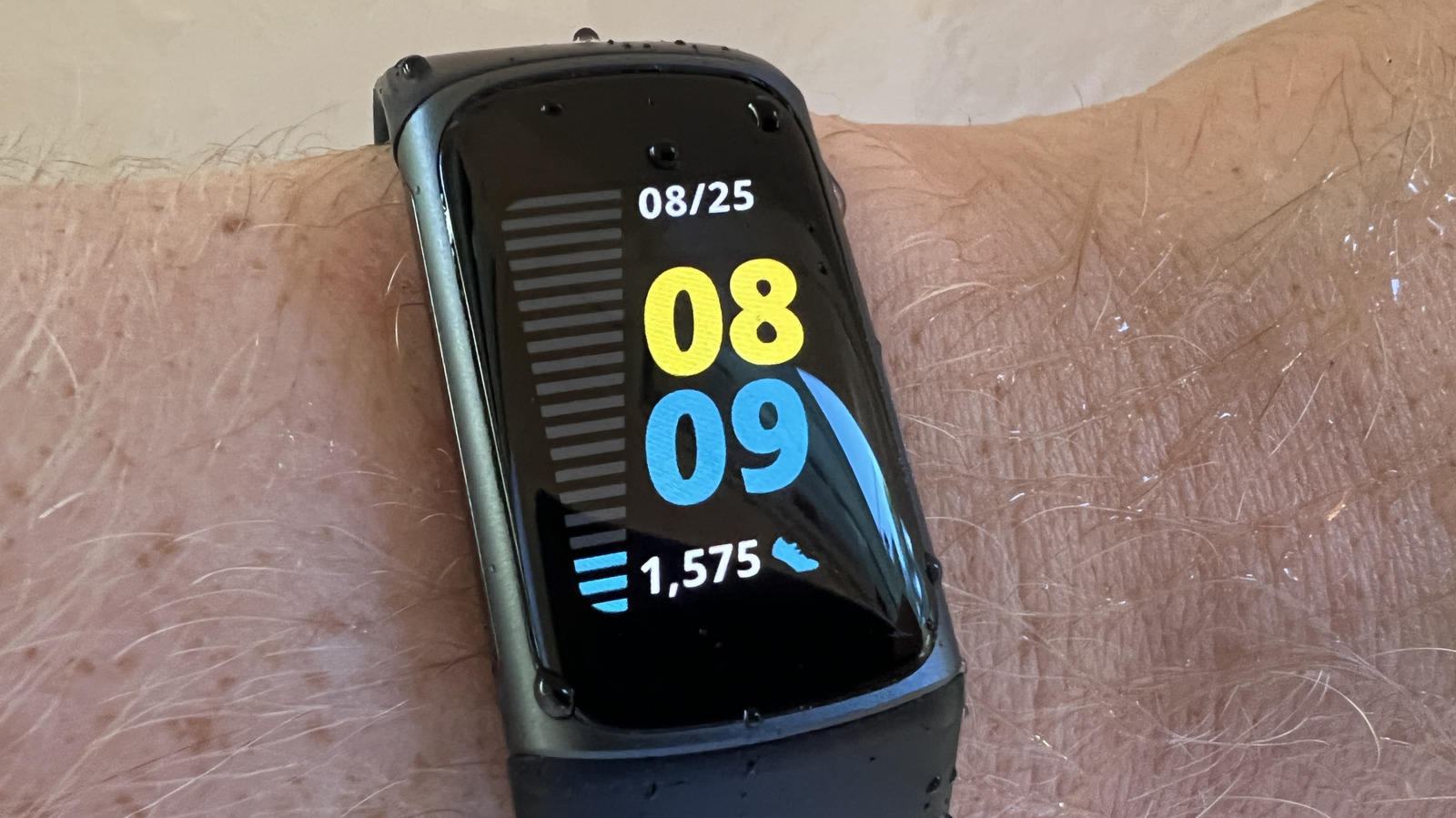
Maximizing the operational lifespan of wearables demands attention to power delivery and environmental storage conditions. The battery capacity of current Fitbit devices ranges between four and 10 days, with recent premium releases like the Edge and Air achieving up to seven days of efficiency.
Hardware longevity depends on correct charging practices using authorized cables or verified solutions. Battery health decays rapidly in incompatible power sources, while environmental exposure to temperatures below 32 degrees Fahrenheit or above 113 degrees Fahrenheit, combined with high humidity or saltwater, can permanently damage internal components. Long-term storage requires a full charge, a device shutdown, and a maintenance recharge at least every six months to prevent deep discharge.
Software and settings engineering offer immediate efficiency gains. Disabling the always-on display significantly impacts endurance; for legacy models like the Charge 5, 6, and Sense 2, the feature can cut battery life to three days from a standard week, with the Edge dropping to approximately two days. Adjusting screen brightness, reducing timeout periods, and switching to static clock faces offer additional overhead savings. Connectivity features like on-wrist calls and music controls should be utilized selectively.
Continuous sensor data consumption requires management. The source notes that integrated GPS provides limited runtimes, ranging from five hours on models like the Charge 4, 5, and 6 to 12 hours on Sense and Versa series devices. Users should prioritize the smartphone's GPS sensor or disable tracking when precise location is not essential. Additionally, unessential app notifications and Sp02 heartbeat monitoring should be limited to conserve energy.
Projecting device longevity involves evaluating physical and functional indicators. Sync issues, lagging performance, and rapid recharge times signal the end of a device's effective life. Despite standard three-year expectations, some older units, such as a 2023 Charge 6, remain functional. The industry is shifting toward repairability with the release of the Fitbit Edge, which features a replaceable battery module, allowing the device to extend its lifecycle beyond that of sealed models.
Sources and further reading
See an error? Read our corrections policy or email [email protected].