iCloud Private Relay vs. VPNs: Architecture, Scope, and Limitations
An analysis of Apple's iCloud Private Relay reveals it shares functionality with VPNs yet offers distinct limitations regarding data scope, location specificity, and cross-platform compatibility.

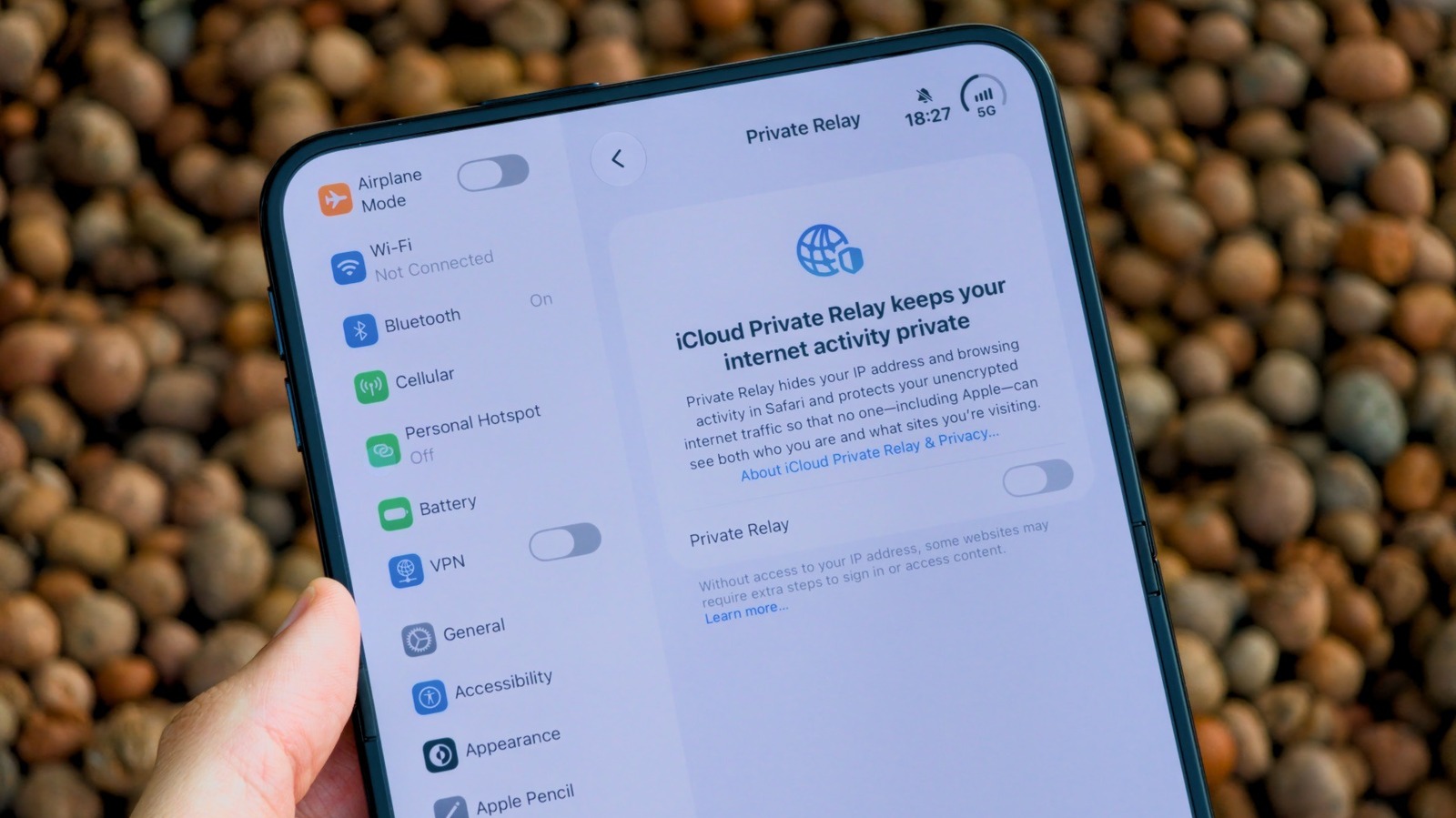
Apple's iCloud+ bundle introduces iCloud Private Relay as a privacy tool, but a closer examination of its architecture and limitations distinguishes it from a conventional Virtual Private Network (VPN). Both services aim to obscure a user's digital footprint, yet they function through dissimilar mechanisms regarding data encryption and geographic spoofing.
Private Relay operates as a two-layer proxy system designed primarily for Safari. The initial connection originates from the user's device to Apple's servers. At this stage, Apple retains the user's original Internet Protocol (IP) address but discards information regarding the specific website destination. The request is then forwarded to a third-party peer, such as Akamai or Cloudflare. This peer establishes the connection to the actual website, thereby obscuring the chain of custody from the content provider. This architecture ensures that neither Apple nor the third-party provider possesses a complete log of the user's browsing activity, thereby preventing cross-site tracking through IP analysis.
However, Private Relay is not a comprehensive replacement for a VPN. A primary limitation is its browser restriction; the service exclusively guards traffic generated by Safari. All traffic from other browsers, as well as applications using encrypted protocols like HTTPS, bypasses the relay system. Additionally, Private Relay cannot distinguish between the specific physical location of the user and the general region where they are located. Because the device is assigned an IP address corresponding to the broader region, users cannot utilize the feature to bypass geo-fencing to access region-specific content. A further nuance involves passkeys, where the authentication request is sometimes sent outside the browser environment, potentially exposing the authenticator's IP address—a factor noted in investigations conducted as of August 2026.
Bandwidth regulations also vary globally. The service remains unavailable in regions with strict internet censorship, such as China, Russia, and Saudi Arabia. Furthermore, enabling the feature has historically been associated with reduced browsing speeds, a common trade-off for proxy services.
Conversely, a standard VPN provides end-to-end encryption for all data leaving the device, irrespective of the application or browser in use. It reduces the reliance on a single point of trust, as the encryption happens client-side with no centralized server necessarily retaining metadata. VPNs are versatile, compatible with operating systems like Windows and Android, and can be deployed at the router level to protect all connected household devices. Crucially, VPNs allow users to select specific virtual locations, effectively masking their physical presence in foreign countries to access region-locked streams or services.
The critical distinction lies in the trust model. A VPN mandates the user's confidence in a third-party vendor to handle all unencrypted data packets. This vulnerability is exploited by malicious actors who distribute fake VPN applications to harvest browsing data or propagate malware. In contrast, Private Relay distributes the tracking liability between Apple and a content delivery network, reducing the risk of a single point of failure, albeit at the cost of broader coverage and functionality.
Ultimately, the choice depends on the user's existing subscription status and security requirements. While Private Relay is a convenient inclusion for iCloud+ subscribers browsing Safari, a dedicated VPN remains the robust standard for comprehensive privacy across all digital activities and platforms.
Sources and further reading
See an error? Read our corrections policy or email [email protected].